




Industrial Electrolyzed Water Systems: Key Specs Buyers Need
If you're responsible for sanitation compliance in a food processing plant or agribusiness operation, you already know how much pressure sits on getting disinfection right. Industrial electrolyzed water systems — and the micro acidic electrolyzed water generator category specifically — have emerged as one of the most technically rigorous, residue-free alternatives to conventional chemical disinfectants. This guide walks procurement directors and QA managers through the specifications that genuinely matter, so your evaluation process is grounded in performance data rather than marketing language.
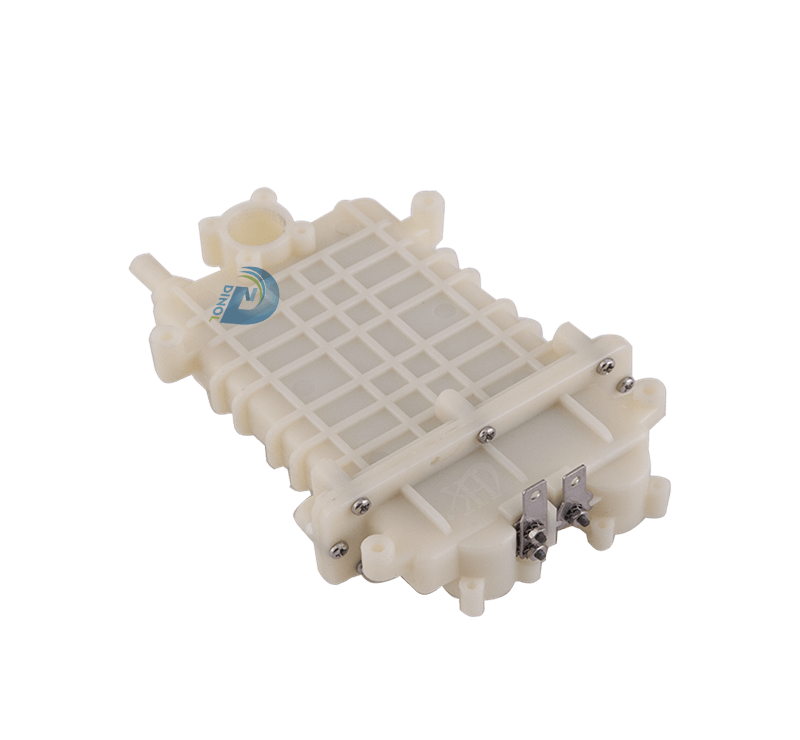
Understanding Micro Acidic Electrolyzed Water Generators
An easy electrochemical reaction is what these systems are all about. A special kind of salt water goes through an electrolytic cell. In this cell, titanium-platinum electrodes split molecules to make hypochlorous acid (HOCl), which is the active antifungal substance. The solution that is made has a pH range of 2.5 to 6.5 and an oxidation-reduction potential (ORP) range of +700 to +1100 mV. These are both measurable and auditable factors that your HACCP paperwork system can keep track of.
Why HOCl Outperforms Sodium Hypochlorite?
A lot of research published in the Journal of Food Protection has shown that HOCl at 10–80 ppm is much more effective at killing living things than sodium hypochlorite at the same chlorine level. Since the molecular form is not charged, it can get through bacterial cell walls more easily. And this means that your team can kill more E. coli, Staphylococcus aureus, and common mold species with a higher log-reduction rate without adding more chemicals to the production floor.
Regulatory and Compliance Profile
Electrolyzed water that comes into touch with food is safe according to the U.S. Food and Drug Administration (21 CFR) and follows the rules for HACCP and FSSC 22000 tracking. The CE, RoHS, and ISO certifications show that well-made units meet international standards for electrical safety and material compliance. This is very important if your facility is being inspected by European food service buyers or retail chains. Formicro acidic electrolyzed water generator, these certifications and food-safety compliance points are essential for facilities that need validated sanitation without compromising audit readiness or buyer requirements.
Key Specifications and Features Industrial Buyers Should Focus On
The specs sheet tells you a lot more about an electrolyzed water generator than the booklet. Here are the most important technical factors that your buying team should compare each chosen unit to.
The following are the qualities that a well-designed industrial unit should have:
- HOCl Output Concentration: The HOCl output concentration can be changed from 10 to 80 ppm depending on the application (surface spray vs. CIP loop). It's not always true that more concentration leads to better results; stability and consistency are more important.
- ORP Range: The ORP range is from +700 mV to +1100 mV. ORP shows how strong the sanitizing is in real time. In production settings, units that can't keep an ORP steady when the water hardness changes are a problem.
- Production Capacity: Production Capacity: 1 to 5 L/min, based on type. A food processing line with one shift usually needs 3–5 L/min to keep CIP operations going without stopping the batch.
- Electrode Material: The electrode is made of a titanium base with a platinum coating. This mix protects against rust and keeps the electrolytic stability for about 2,000 to 5,000 hours of use before it needs to be replaced.
- Power Consumption: The power used by each type ranges from 50 to 300 W. Larger units use more electricity, but the lack of costs for buying chemicals quickly makes up for this in most facilities within 6 to 18 months.
- Operating Temperature: Operating Temperature: 5°C–40°C, which includes prep areas that are kept cool and production areas that are kept at room temperature without the need for extra cooling.
- Certifications: Certifications: CE, RoHS, and ISO—must haves for sites that want to sell and are ready for third-party audits.
These factors make up your baseline scorecard. You shouldn't move on to the next step if a unit can't show you proven stable data for ORP and pH under the water hardness conditions in your area. Cost and frequency of electrode replacement should be clear from the start of every conversation with a supplier.
Comparing Electrolyzed Water Systems with Alternative Solutions
Figuring out where electrolyzed water stands in comparison to other ways of cleaning helps the business case make sense to its own employees. Traditional chemical disinfectants, such as sodium hypochlorite and quaternary ammonium compounds, leave behind harmful residues, need special storage facilities for dangerous materials, and come with rules about how to get rid of them. Alkaline electrolyzed water (pH 11–13) can remove grease but is not as good at killing bacteria as the acidic part when the contact times are the same.
The on-site generation approach makes a big difference in figuring out the total cost of ownership. Your facility makes the active sanitizer in real time from food-grade salt and tap water, so it doesn't have to buy, transport, and store bulk chemical concentrates. According to data gathered by food safety agencies in Southeast Asia and Japan, facilities with three production shifts usually spend 40–60% less on disinfectants each year after switching to electrolyzed water generation. Formicro acidic electrolyzed water generator, this on-site production model eliminates chemical procurement, reduces storage risk and delivers substantial annual savings for high-throughput food processing operations.
Environmental efficiency can also be measured. The output solution breaks down quickly into water and small amounts of chloride ions. It doesn't leave any residue on surfaces that come into contact with food, equipment seals, or drainage systems, which is helpful when customers or certification bodies are looking closely at your environmental impact.
How to Choose the Right Generator for Your Operation?
It takes more than reading a spec sheet to find a unit that fits your needs. Which model and setup works best for you depends on your output rate, shift patterns, water quality profile, and audit needs further down the line. Here's a planned way to go about the selection:
Start with how much hand soap you need every day. When processing 5,000 kg of food every day, a central kitchen usually needs a different set of outputs than a poultry processing line that runs cold CIP cycles. Compare your high demand to the generator's estimated flow rate to make sure you don't buy one that is too small.
Adapting to changes in water quality needs immediate care. Facilities in Southeast Asia often have to deal with high mineral content, which lowers the efficiency of electrolysis. A trustworthy provider should check the water quality before they recommend equipment, not after it's been installed. Ask for written information on how well installations have worked in similar water conditions.
With the same level of care you use for technical specs, look at the supplier's post-sale infrastructure. Replacement cycles for electrodes, the ability to do diagnostics remotely, and documentation in your operating language are all operational necessities, not nice-to-haves. Formicro acidic electrolyzed water generator, this post-sale support directly affects uptime, maintenance costs and the long-term reliability of your on-site sanitation system.
Best Practices for Operation and Maintenance
Disciplined daily operation is needed to get consistent output quality. Before starting each shift, operators should use accurate meters to double-check the pH and ORP readings. The results should then be written down as part of your HACCP tracking records. The amount of salt in the feed solution should stay within the range given by the manufacturer. Any changes above or below this range have a direct effect on the stability of the HOCl output.
Electrode Care Extends Service Life
Most of the time, output drops before the rated service life because of calcium and magnesium deposits on the electrodes. As directed by the maker, a descaling flush once a week using a diluted citric acid rinse stops buildup without hurting the platinum coating. Operators should compare the total number of hours used to the 2,000–5,000 hour replacement level and order new electrodes before the unit hits the lower end of that range.
System Calibration and Documentation
The generator's internal pH and ORP sensors are calibrated every three months to keep the output accurate. Keeping calibration records and repair logs will not only protect your guarantee, but it will also give food safety testers the proof they need for traceability.
Conclusion
Industrial electrolyzed water systems clean water in a way that can be measured and checked, and they don't have all the rules and regulations that come with chemical cleaning programs. It's easy for procurement and quality assurance workers who run food processing or farming operations to make decisions: put ORP stability, HOCl concentration consistency, certified electrode materials, and clear source support structures at the top of the list. For most medium to large facilities, the initial investment is returned within the first 12 to 18 months, and the long-term benefits of compliance grow as audit requirements get stricter around the world. Formicro acidic electrolyzed water generator, this combination of measurable performance, regulatory simplicity and rapid ROI makes it a practical choice for food safety and sanitation programs at scale.
FAQ
Is micro acidic electrolyzed water safe for direct food contact surfaces?
Yes. The U.S. FDA says the solution is safe for food when it has a HOCl concentration of 10 to 80 parts per million and a pH of 2.5 to 6.5. It also meets HACCP standards. It doesn't need to be rinsed off after being used on areas that come into touch with food, which saves water and speeds up production.
How does local water hardness affect generator output?
A lot of minerals in the source water can make electrolysis less effective and speed up the growth of the electrodes. Before suggesting a model, a good provider should look at your water quality profile. They may also suggest inline pre-filtration or softening as part of the installation plan. This is normal behavior and doesn't mean the product is weak.
What is the real cost of electrode replacement?
Titanium-platinum electrodes can be used for about 2,000 to 5,000 hours. This usually means replacing them every 12 to 30 months for a building with two shifts. Before you buy replacement electrodes, any reputable supplier should give you written prices. This way, your finance team can make accurate lifecycle cost models.
Can these generators integrate with existing CIP systems?
Most types used in industry are made to be directly connected to CIP loops. Make sure that the unit's flow rate and output concentration work with the way your pipes are set up, the amount of contact time you need, and the way your automated control system is set up.
Partner with Tianyi for a Proven Electrolyzed Water Solution
Tianyi manufactures industrial-grade electrolyzed water generation systems built on high-performance MMO-coated titanium anodes developed in our Baoji R&D facility. Our micro acidic electrolyzed water generators cover production capacities from 1 to 5 L/min, with CE, RoHS, and ISO certification documentation ready for your audit files. We support OEM and custom configurations for facilities with specific line requirements. Contact our technical team at info@di-nol.comto request specifications, electrode pricing, or a sample evaluation program.
References
1.Hricova, D., Stephan, R., & Zweifel, C. (2008). Electrolyzed water and its application in the food industry. Journal of Food Protection, 71(9), 1934–1947.
2.Huang, Y. R., Hung, Y. C., Hsu, S. Y., Huang, Y. W., & Hwang, D. F. (2008). Application of electrolyzed water in the food industry. Food Control, 19(4), 329–345.
3.Issa-Zacharia, A., Kamitani, Y., Miwa, N., Muhimbula, H., & Iwasaki, K. (2011). Application of slightly acidic electrolyzed water as a potential non-thermal food sanitizer for decontamination of fresh and minimally processed vegetables. Food Control, 22(3–4), 601–607.
4.Rahman, S. M. E., Jin, Y. G., & Oh, D. H. (2011). Combination treatment of slightly acidic electrolyzed water with UV-C or heat to ensure the microbiological safety of fresh-cut lettuce. Journal of Food Science, 76(4), M239–M244.
5.Navarro, G., Chung, Y. K., Draughon, F. A., & Mount, J. R. (2002). Electrolyzed oxidizing water: Efficacy and applications in food processing environments. Food Technology, 56(11), 60–67.
6.International Commission on Microbiological Specifications for Foods (ICMSF). (2018). Microorganisms in Foods 8: Use of Data for Assessing Process Control and Product Acceptance. Springer Science & Business Media.