




Lead Dioxide Anode vs MMO Anode: Which Is Best for Industrial Use?
Both the lead dioxide anode and the MMO (Mixed Metal Oxide) anode are widely used in industrial electrochemical processes, but they serve different purposes. If your facility handles refractory organic wastewater, electroplating, or metallurgical electrolysis, picking the wrong anode type can cost you in energy, downtime, and compliance headaches. This article breaks down how each anode type works, where each performs best, and how to make a sound procurement decision backed by real technical data.
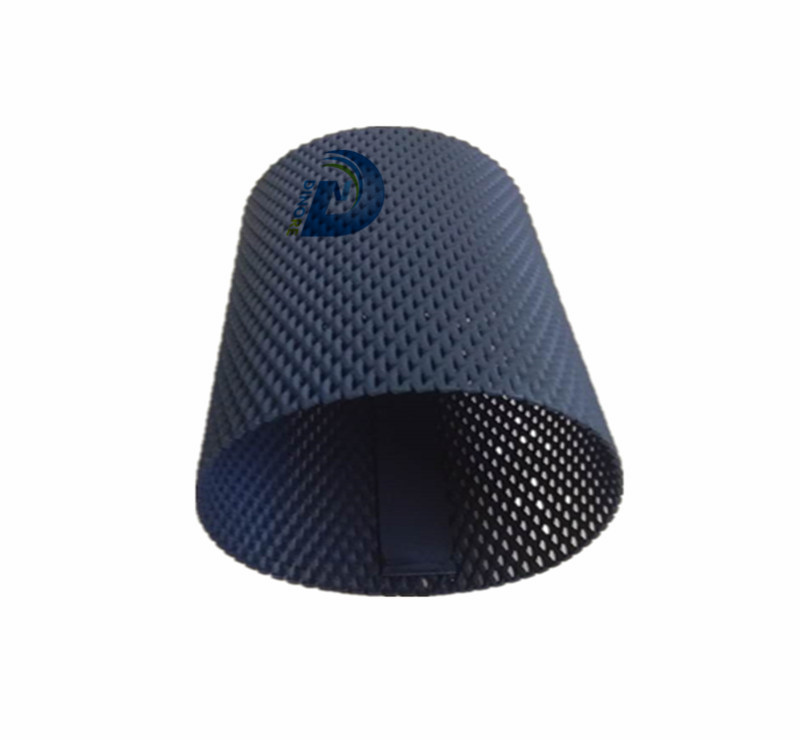
Understanding Lead Dioxide Anodes and MMO Anodes
What Is a Lead Dioxide Anode?
An anode made of lead dioxide (Ti/PbO₂) is put on top of a titanium base that has α-PbO₂ and β-PbO₂ on top of it. A layer of tin-antimony oxide (SnO₂-Sb₂O₀) is usually present between the titanium base and the active PbO surface. This layer stops the substrate from passivating and makes it easier for things to stick together. Because it has an oxygen evolution potential of about 1.75 V (vs. SCE), the β-PbO₂ phase is one of the best materials for oxidizing electrodes that can treat hard, high-COD wastewater.
What Is an MMO Anode?
If you heat iridium-tantalum oxides or ruthenium-iridium oxides and put them on a titanium base, you have an MMO anode. The term "dimensionally stable" refers to the fact that these anodes keep their shape and coating when they are in use. Anodes from MMOs are used for many things, like making chlor-alkali, electrolyzing seawater, keeping cathodes safe, and creating sodium hypochlorite. They are not as good at giving off oxygen as PbO₂ anodes. In other words, they are good at getting rid of chlorine but not so good at breaking down organic chemicals directly.
Core Structural Differences
The two kinds of anodes were made with two very different electrochemical goals in mind. For a straight look at the structure, here it is:
- Ti/PbO₂ anode: Titanium mesh substrate + SnO₂-Sb₂O₃ interlayer + electrodeposited α/β-PbO₂ active layer. Oxygen evolution potential: ~1.75 V. Current density: up to 5,000 A/m². Operating temperature: up to 80°C.
- MMO anode (Ru-Ir type): Titanium plate/mesh substrate + thermally coated ruthenium-iridium oxide. Oxygen evolution potential: ~1.40–1.50 V. Best suited for chlorine-generating systems and cathodic protection circuits.
The different structures make it clear which anode, such as lead dioxide anode, matches which process setting.
Performance and Efficiency Comparison
Electrochemical Oxidation Capacity
Oxygen atoms (·OH) are made on the electrode's surface when lead dioxide is charged to the anode. These radicals hit chemical molecules that are hard to break down, like phenol, nitrobenzene, aniline, and in-between stages of drug production. After five hours of electrolysis on lab wastewater that has nitrobenzene in it, Ti/PbO₂ anodes get rid of more than 85% of the phenol and up to 65% of the COD. On the other hand, MMO anodes are more choosy and work best when the goal is to make chlorine instead of directly oxidizing organic matter.
Lifespan and Durability Under Acidic Conditions
Titanium-based PbO₂ anodes last 1.5 to 2 times longer than solid lead anodes, but they lose 5% to 8% of their cell voltage and only work 93% to 95% of the time. The coating made of β-PbO₂ is very stable in strong acids like HSO₄ or HNO₃. The main reason it fails is not the coating wearing off, but the electrolyte penetrating the titanium substrate and making it passivate. It is possible to directly fix this issue by using the right SnO₂-SbO₃ binder.
MMO anodes tend to last longer in places where chlorine levels change, often longer than the five to eight years that are normal in industrial situations. In systems with a lot of COD or oxygen evolution, on the other hand, their lower oxygen overpotential makes them less good at breaking down organic matter than electrodes coated with PbO₂.
Current Density Tolerance
There are two high-current-capacity anode types with different working principles. The mesh substrate design of lead dioxide anode (Ti/PbO₂ anode) reduces fluid resistance and improves heat dissipation. This prevents electrode overheating even under a current density close to 5,000 A/m². By comparison, MMO anodes generally operate within a lower current density range for water treatment or cathodic protection applications.
Cost Effectiveness and Procurement Insights
Total Cost of Ownership
Upfront cost is only one part of the procurement equation. Here is how the two anode types compare across the full ownership cycle:
- Ti/PbO₂ anodes: Initial cost is 30%–50% lower than platinized titanium anodes. The titanium substrate can be stripped, re-pickled, and recoated once the active layer reaches end-of-life, reducing long-term capital expenditure by 30%–50% compared to purchasing new anodes each cycle.
- MMO anodes (Ir-Ta or Ru-Ir): Higher upfront coating cost due to platinum-group metal content. Recoating is also possible but requires precise thermal deposition equipment. Best value is realized in high-volume, continuous operations where their long service intervals offset the initial investment.
These cost dynamics mean that for refractory wastewater EPC projects operating on project-based settlement cycles, Ti/PbO₂ anodes typically deliver a more favorable return.
Customization and Supply Chain
For EPC contractors handling chemical parks, electroplating clusters, or smelting facilities, customization matters. Ti/PbO₂ anodes are available in plate, tube, and mesh forms, allowing process designers to specify geometry that fits existing electrolytic cell designs without modification. Suppliers with pilot-scale testing capabilities can provide 1:1 bench-to-plant scale-up data, which reduces project risk during the process package selection stage.
Environmental Impact and Regulatory Compliance
Lead Ion Risk Management
Anodes made of PbO₂ are mostly a worry because they can add to the lead contamination in the cleaned waste water. This is very important to know: the PbO₂ film normally does not dissolve in water. There is almost no lead leaching when the anode works in the current density range and liquid pH window that were intended for it. The solid lead alloy anodes always corrode, but the titanium-based PbO₂ electrode has a much lower chance of getting dirty. Even so, it is the law in the US and most other industrialized countries to check waste for lead ions.
MMO Anodes and Regulatory Alignment
MMO anodes with iridium-tantalum or ruthenium-iridium layers don't have any heavy metals that would make them illegal to release into wastewater. Because the rules on trace metals are so tight, they are the best way to clean water that will be used for food or medicine. Even so, a PbO₂ electrode has more oxidation power and can handle normal industrial wastewater with high COD and hard organics better.
Responsible Disposal and Recycling
When either anode type reaches the end of service life, proper disposal is required. Spent lead dioxide anode (Ti/PbO₂ anode) must be handled as lead-containing waste and recycled accordingly. The titanium substrate retains structural integrity and can be reused after recoating. MMO anodes support economically viable recycling, as their platinum-group metals can be recovered via dedicated precious-metal extraction processes.
Making the Right Industrial Choice: Lead Dioxide vs MMO Anodes
Application Mapping
Which anode is best is based on the chemistry of the process. This is a good place to start:
- Choose Ti/PbO₂ anodes when: treating refractory organic wastewater (high COD, phenols, cyanide, pesticide intermediates); producing chlorates, bromates, or iodates; conducting organic electrosynthesis in strong acid media; or replacing traditional Fenton oxidation to eliminate chemical sludge generation.
- Choose MMO anodes when: generating sodium hypochlorite; running cathodic protection systems; operating chlor-alkali electrolysis; or treating process water in pharmaceutical or food-adjacent applications where heavy metal traces are unacceptable.
Not all of these rules are true, because mixed systems can use both types of sensors at the same time. It is clear that the PbO₂ electrode is better for single-stage refractory wastewater oxidation because it has a higher oxygen overpotential.
Real-World Performance Evidence
When 36 mA/cm² of current flowed through Ti/PbO₂ plates in the lab to break down methyl orange, almost all of it was lost (close to 100%) in just 12 minutes. Different tests on wastewater that had aniline in it showed that a lot of it could be removed in just three hours. These numbers are similar to what has been seen in EPC projects for chemical wastewater where PbO₂ electrodes have been used instead of Fenton reactors to get rid of chemical sludge and still meet discharge requirements.
Conclusion
Each person has a different best anode for their process. It's better for directly electrochemically burning organics that don't combine well with other chemicals. The lead dioxide anode also works well in strong acidic media with a lot of current. When long-term stability is needed without having to worry about heavy metals, MMO anodes are great for systems that release chlorine. This is the better technical and financial choice for EPC companies that deal with biologically resistant, high-COD wastewater from chemical or electroplating parks. They should use Ti/PbO electrodes backed by good trial data and a reliable provider.
FAQ
How long does a Ti/PbO₂ anode typically last in industrial wastewater treatment?
Under normal operating conditions in H₂SO₄-based systems, Ti/PbO₂ anodes last 1.5 to 2 times longer than traditional solid lead anodes. Actual service life depends on current density, electrolyte composition, and operating temperature. Fluoride ions in the electrolyte accelerate coating degradation and should be kept below 500 ppm.
Can the titanium substrate be reused after the PbO₂ coating fails?
Yes. The titanium base can be chemically stripped, mechanically cleaned, and recoated with a fresh PbO₂ layer. This recoating capability is a key cost advantage, preserving your initial capital investment across multiple service cycles.
Is there a real risk of lead contamination in treated effluent?
The β-PbO₂ coating is chemically insoluble under standard operating conditions. Trace mechanical erosion can occur under extreme turbulence, but contamination levels are substantially lower than those associated with solid lead alloy anodes. Routine effluent monitoring for lead ions remains a recommended compliance practice.
Can a PbO₂ anode replace an MMO anode directly?
Not always. The two anode types serve different electrochemical functions. In oxygen-evolving, high-COD oxidation systems, PbO₂ outperforms most MMO formulations. In chlorine-evolving or cathodic protection systems, MMO anodes remain the appropriate choice.
What shapes and configurations are available for Ti/PbO₂ anodes?
Ti/PbO₂ anodes are available in plate, tube, and mesh configurations. Mesh substrates are particularly effective for reducing electrolyte flow resistance and managing heat at high current densities.
Partner with Tianyi for Certified Lead Dioxide Anode Solutions
Tianyi makes high-performance Ti/PbO₂ electrodes for EPC wastewater projects. These electrodes have titanium substrates that can be recoated and geometries that can be changed. You can count on us to provide you with reliable lead dioxide anodes. We offer test help on a pilot scale and expert support 24 hours a day, seven days a week. You can email our tech team at info@di-nol.com or visit dsa-anodes.com to get project prices and specs.
References
1. Feng, Y. J., & Li, X. Y. (2003). Electro-catalytic oxidation of phenol on several metal-oxide electrodes in aqueous solution. Water Research, 37(10), 2399–2407.
2. Comninellis, C. (1994). Electrocatalysis in the electrochemical conversion/combustion of organic pollutants for waste water treatment. Electrochimica Acta, 39(11–12), 1857–1862.
3. Panizza, M., & Cerisola, G. (2009). Direct and mediated anodic oxidation of organic pollutants. Chemical Reviews, 109(12), 6541–6569.
4. Rodrigo, M. A., Michaud, P. A., Duo, I., Panizza, M., Cerisola, G., & Comninellis, C. (2001). Oxidation of 4-chlorophenol at boron-doped diamond and lead dioxide anodes. Journal of The Electrochemical Society, 148(5), D60–D64.
5. Trasatti, S. (2000). Electrocatalysis: Understanding the success of DSA. Electrochimica Acta, 45(15–16), 2377–2385.
6. Li, X. Y., Cui, Y. H., Feng, Y. J., Xie, Z. M., & Gu, J. D. (2005). Reaction pathways and mechanisms of the electrochemical degradation of phenol on different electrodes. Water Research, 39(10), 1972–1981.