




Lead Oxide Electrode vs. Other Anodes: Which Performs Best Today?
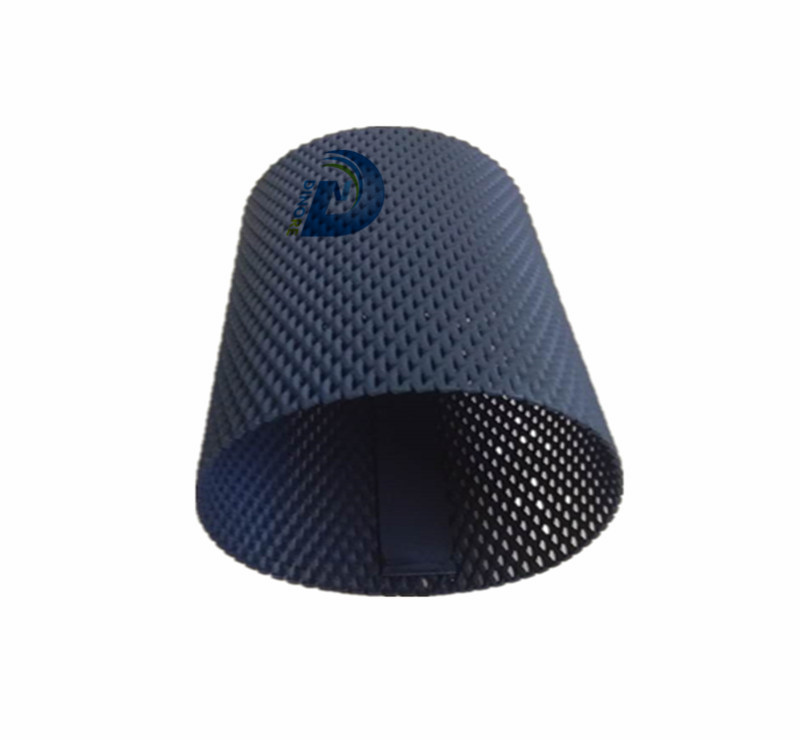
If you've been sourcing anodes for electroplating, hydrogen production, or electrolytic applications, you've likely asked this question. The answer isn't one-size-fits-all, but comparing the lead oxide electrode against graphite and lead dioxide anodes reveals clear performance differences that matter to procurement teams and process engineers alike.
Understanding Lead Oxide Electrode and Other Common Anodes
What Is a Lead Oxide Electrode?
To make a lead oxide electrode, a mixed metal oxide (MMO) layer is put on top of a base made of pure lead oxide. There is better electrochemical activity, longer service life, and more protection to corrosion and passivation with this MMO covering. So, we have an anode that always works in tough industrial settings, like high temperatures, acidic baths, and alkaline solutions.
How Do Graphite Anodes Compare?
Some of the oldest anodes that are still used in business are made of graphite. It is easy to find them and doesn't cost much. However, they wear out slowly over time. The solution gets dirty, the voltage between the electrodes goes up, and the system lasts less time because of this. For long-term jobs that need to stay stable, graphite generally needs to be changed out often.
What About Lead Dioxide Anodes?
Anodes made of lead dioxide (PbO₂) stay the same size longer than anodes made of plain graphite. They are good at dealing with pollution and making electricity, among other things. Lead dioxide electrodes, on the other hand, are thought to cause lead to leak out, which is against RoHS and REACH rules. Business that do environmental checks on the things they buy are taking a big risk here.
Performance Comparison: Lead Oxide Electrode vs. Other Anodes
Electrochemical Efficiency and Conductivity
Lead oxide electrodes with MMO layers always have less overpotential for making oxygen, which means they use less energy. It is possible for MMO-coated anodes to use 10–15% less energy than graphite when making electrolytic copper. When you do a lot of batch jobs all the time, it's important to get that speed boost.
Operational Durability Under Demanding Conditions
Most graphite anodes last between 6 and 12 months in tough electrolyte conditions. Even though lead dioxide anodes last longer, they still break down when the acid level is very high. However, data from real-world use in the industry shows that lead oxide electrode with properly placed MMO coats can last more than 3–5 years in the same conditions. It costs less to run and needs to be changed less often because it lasts longer.
Cost-Efficiency and Maintenance
To look at it quickly, an MMO-coated lead oxide electrode costs more per unit than graphite. However, the overall cost of ownership is not the same. It will pay for itself in 12 to 24 months because it will need to be replaced less often, use less energy, and pollute less electrolytes. For procurement managers who work on yearly framework deals, this total cost model will make things easier for finance teams to understand.
Selecting the Right Anode: Decision Criteria for B2B Procurement
Performance Factors: Efficiency, Lifespan, and Compatibility
When selecting an anode, process engineers should evaluate three core performance factors: current efficiency at operating temperature, resistance to passivation in the specific electrolyte chemistry, and dimensional stability under load cycling. Lead oxide electrodes score well across all three when paired with the right MMO formulation for the application.
Here is a quick side-by-side summary across the three main types:
- Lead oxide electrode (MMO-coated): Service life 3–5+ years, low contamination risk, RoHS-compatible, suitable for electroplating, hydrogen production, and electrolytic deposition.
- Graphite anode: Low initial cost, but short service life (6–12 months), progressive erosion, and electrolyte contamination risk. Best for low-demand, intermittent applications.
- Lead dioxide anode: Better dimensional stability than graphite, but environmental compliance concerns limit its use in industries subject to RoHS/REACH audits.
These differences mean that for most medium-to-large manufacturing operations, lead oxide electrodes represent the more defensible long-term procurement choice.
Supplier Certifications and Quality Assurance
QA teams should require ISO-compliant documentation, traceability records for coating thickness, and batch-level test reports. Certifications such as ISO 9001 and IATF 16949 signal that a supplier maintains consistent production controls — essential when you're ordering at scale and need predictable performance across thousands of units.
Pricing, MOQs, and Lead Times
For operations running annual framework agreements, pricing transparency and MOQ flexibility matter for lead oxide electrode. Suppliers who offer tiered pricing for large batch orders and maintain buffer inventory for rapid fulfillment reduce supply chain risk. Confirm lead times for custom coating formulations — particularly if your process runs in non-standard electrolyte conditions.
Manufacturing and Quality Assurance of Lead Oxide Electrodes
Critical Production Stages
You have to be very careful at several steps in order to make a high-performance lead oxide electrode. First, you have to prepare the substrate. Next, you have to add the oxide precursor. Finally, you have to heat it so that the oxide crystallizes. Along the way, each step changes how sticky, porous, and conductive the final electrode is. If there are any changes, the layer width will not be even, and the field life will be shorter.
Quality Control Protocols That Matter
Checking the raw materials, measuring the coating thickness as it's being made, testing for bonding, and finally confirming the electrochemical performance are all parts of every production run at Tianyi. The high-purity lead oxide we use comes from reliable suppliers, and the MMO coating recipes we came up with with the help of electrochemical research institutions. Our method for quality control makes sure that we can find all the data we need to keep track of each batch.
The Role of Certified Manufacturing Partners
When you work with a certified maker, you give your QA team controlled test data instead of just claims about the product. More and more, buyers in the electronics, car, and new energy industries need performance data that has been checked by a third party before they agree to buy something. You are less likely to be audited and it takes less time to qualify suppliers if you choose a manufacturer with verifiable certifications and well-established process controls.
Maximizing Lead Oxide Electrode Performance and Lifespan
Maintenance Best Practices for Industrial Environments
If you want to keep lead oxide electrode in good shape, you should check the coating's strength often, keep an eye on the current density, and wipe off layers every so often. When you use electrodes within the range of their rated current density, you keep them from burning in one place, which speeds up the coating's breakdown. Inspections should be done every 500 to 800 hours of use to find changes on the surface before they hurt the quality of the output.
Common Degradation Factors and How to Address Them
Most of the time, electrodes fail before they should because they were overloaded with current, polluted with salt above the design limits, or not stored properly before being installed. It breaks down faster when you run electrodes at a current density higher than their rated value. Controlling how pure the electrolyte is and being careful not to damage it when handling it greatly extends its useful life.
Handling and Storage Guidelines
Store wires horizontally in a dry, temperature-controlled space that is not in direct sunshine. Use contact points that aren't made of metal to keep surfaces from getting scratched while they're being moved. When Tianyi ships items, they use special materials to protect the coating so it doesn't get damaged before it gets to your production floor.
Conclusion
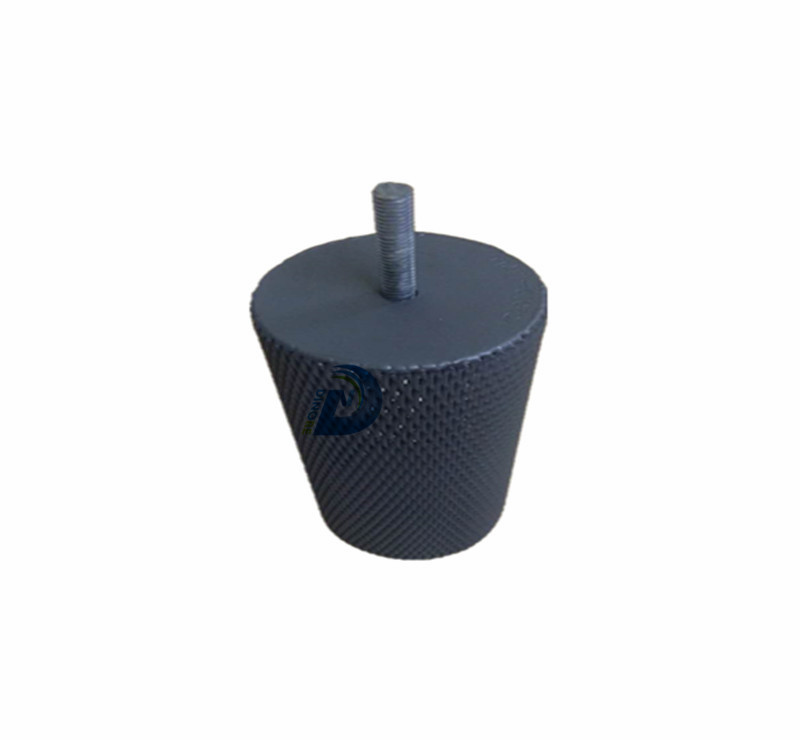
The lead oxide electrode with MMO coating works better than both graphite and lead dioxide in most industrial settings in terms of how long it lasts, how much energy it uses, how likely it is to get contaminated, and how well it fits with the environment. People who work in procurement and process engineering care about these things. The longer-term savings and fewer fixes more than make up for the higher cost at the start. One of the most important things to think about when getting something for new energy, electroplating, or metal processing is the type of anode.
FAQ
Why do lead oxide electrodes last longer than graphite anodes?
Graphite slowly breaks down during electrolysis, letting material into the liquid. Lead oxide electrodes with MMO coatings don't change size when they are used normally because the coating doesn't wear off. This means that the field service life can be longer than 3–5 years, whereas for graphite it's only 6–12 months.
Does manufacturing quality affect electrode performance significantly?
Certain steps in the manufacturing process do have an impact on how well the coating sticks, how even the layers are, and how solid the oxide is. It's because of bad manufacturing that coatings aren't even and fail quickly. It's important that each batch is the same, especially when working on a big scale and the quality of the result depends on how well the electrodes work.
What determines electrode longevity in the field?
The most important ones are the working current density, the chemistry of the liquid, the temperature, and how often the battery is serviced. Electrodes always reach or go beyond their stated service life as long as they are used within the limits of their design and are checked often.
Are lead oxide electrodes RoHS/REACH compliant?
It is possible to make MMO-coated lead oxide conductors in a way that doesn't harm the environment. People who want to buy something should ask their suppliers for specific material statements and compliance documents before they do so.
Source Your Next Lead Oxide Electrode Order Through Tianyi
Tianyi sells high-purity lead oxide electrodes with MMO coatings that can be made to fit the needs of companies in the new energy, semiconductor, and electroplating industries. We can make a lot of sales and keep quality records that meet ISO standards and can be traced back to the source. Our engineering team is ready to help you with the qualification process, whether you need standard setups or anode designs that are made just for your application in harsh electrolyte conditions. Email us at info@di-nol.com or visit dsa-anodes.com to get a bulk price from a reputable lead oxide electrode maker.
References
1. Trasatti, S. (1999). Electrochimica Acta — "Electrocatalysis: Understanding the success of DSA."
2. Comninellis, C., & Chen, G. (2010). Electrochemistry for the Environment — Springer.
3. Kirk-Othmer Encyclopedia of Chemical Technology (2020) — "Electrodes, Industrial."
4. Pletcher, D., & Walsh, F. C. (1993). Industrial Electrochemistry — Blackie Academic & Professional.
5. Morales-Zárate, E., et al. (2018). Journal of Applied Electrochemistry — "Performance evaluation of mixed metal oxide anodes in acidic media."
6. Kelsall, G. H. (2015). Electrochemical Engineering — Royal Society of Chemistry.
