




MMO Anode for Electrowinning: Costs, Benefits, and Buying Tips
If you work in metal recovery or industrial electrochemical processing, you already know that your anode choice shapes everything — from energy bills to metal purity. An MMO anode for electrowinning, built on a titanium substrate coated with mixed metal oxides such as ruthenium, iridium, and tantalum, delivers stable electrochemical performance across copper, zinc, and other metal recovery applications. This post walks through what these anodes are made of, why they outperform older materials, how to compare costs honestly, and what to check before placing an order.
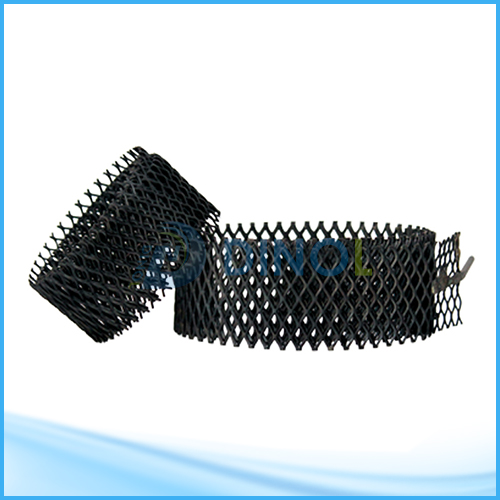
Understanding MMO Anodes in Electrowinning
If you want to get quotes or compare sources, it helps to know how the product works technically. Titanium anodes that have been treated with MMO don't work the same way as graphite or lead alloy anodes. These changes affect how much it costs you to run your business.
Composition and Working Principle
Grade-1 or grade-2 titanium forms the base of a mixed metal oxide anode. On top of it is a thin but thick oxide layer. The covering is what does the electrochemical work. It is usually a mix of ruthenium dioxide, iridium dioxide, and tantalum pentoxide. During electrowinning, this surface makes it easy for electrons to move into the electrolyte. This makes the metal ions less dense at the cathode with almost no extra potential. As a result, the current stays steady, and metal is always being added without touching the bath.
Coating Variations and Their Impact on Lifespan
Not every MMO coat is the same. When copper is electrowinning, sulfate solutions that are high in chloride or acidic work well with a covering of ruthenium and iridium. When there is more oxidation, like when zinc is being processed, an iridium-tantalum mix is more stable. As the amount of noble metal in the anode is measured in grams per square meter, so is the time it lasts before it needs to be recoated. Once you know how much it costs per ton of metal recovered, heavier loads mean that the machine will last longer.
Maintenance Practices That Extend Service Life
Most of the time, titanium anode systems don't need as much daily care as lead or graphite systems. It is still important to check every so often for covering delamination, scaling from calcium or barium sulfate, and mechanical damage from moving cells to make sure the service life stays on track.
Rinsing mmo anode for electrowinning with diluted acid during planned shutdowns can get rid of scale buildup. If everything goes as planned, most well-made MMO anodes used for electrowinning last between 5 and 10 years. As long as the current density stays within the design limits, some last longer.
Benefits of Using MMO Anodes in Electrowinning Processes
A lot of the time, engineering teams need to make a strong case based on facts when they go to a buying group. This is why titanium MMO anodes are better than other materials from a technical and financial point of view.
You can measure and find proof of the performance difference between older electrode materials and MMO anodes in a business setting. A study in the Journal of Applied Electrochemistry found that copper electrowinning circuits with titanium anodes coated with iridium and ruthenium have current efficiencies of more than 95%. In the same conditions, lead-based anodes only got 85–90% of the job done.
- High current efficiency and uniform current distribution: The oxide coating promotes even electron transfer across the entire anode surface, reducing localized hot spots and producing a smoother cathode deposit. This directly improves metal purity grades.
- Low energy consumption: Because the overpotential at the anode surface is significantly lower than at graphite or lead, less electrical energy converts to waste heat. Facilities processing high tonnages report measurable reductions in kilowatt-hours per kilogram of metal recovered.
- Strong corrosion resistance and long service life: The titanium base does not dissolve or deform in sulfuric acid electrolytes. The oxide coating resists chemical attack, meaning the anode retains dimensional accuracy throughout its working life — an advantage that graphite, which erodes and contaminates the bath, simply cannot match.
- Light weight and simple operation: Titanium is roughly 45% lighter than lead by volume. Lighter anodes reduce cell hardware stress, simplify installation, and lower labor costs during changeouts.
- Environmentally responsible: Unlike lead anodes, titanium MMO electrodes do not shed heavy metal ions into the electrolyte or wastewater stream, supporting cleaner process chemistry and easier effluent compliance.
- It's good for the environment: mmo anode for electrowinning with titanium substrate does not release heavy metal ions into the electrolyte or wastewater stream like lead anodes do. This helps keep the process chemistry clean and makes it easier to meet effluent discharge standards.
MMO Anode vs. Alternative Anode Options: Making the Right Choice
It's not enough to pick the right anode based on technicalities. You should also think about the chemistry of the coating and how it will work with your method.
Head-to-Head: MMO vs. Graphite and Lead Anodes
It's not expensive to buy graphite anodes, but they wear out quickly and need to be replaced often. They also give off carbon particles that make the cathode less good. Plain graphite anodes don't last as long as lead-silver alloy anodes, but they give off lead ions that make it harder to treat wastewater and cost more to follow environmental rules. MMO titanium anodes cost more per unit at first, but they end up being cheaper in the long run because they last 5–10 years or more and don't get dirty very often.
Matching Coating Chemistry to Your Target Metal
When electrowinning copper in weak sulfuric acid, a ruthenium-iridium layer with a load of 10–15 g/m² is often the first thing that is used. It is better to use a mix of iridium and tantalum to process zinc because the electrolyte chemistry is harder on the oxide layers. There isn't just one off-the-shelf MMO anode that a reliable supplier will sell you. They can also make coatings that are perfect for your electrolyte, operating temperature, and target current density.
Total Cost of Ownership: The Right Calculation
You should compare prices by considering how often the system needs to be changed, how much it costs to set up, how much energy it uses, and how much it saves on treating waste water. One lead anode system that costs $X per unit might need to be changed every 18 months. A titanium MMO electrode that costs more per unit, on the other hand, doesn't need much maintenance and lasts 7 years. Titanium is often 30–50% less expensive when you add up all the costs of running a plant over 10 years.
Buying Guide for MMO Anodes: Tips for Procurement Managers and Engineers
Buying a common product is not the same as purchasing mmo anode for electrowinning for industrial electrowinning. Before you pick a provider, you should really think about these things.
Define Your Technical Specifications First
First, you need to know your working current density (which is generally given in A/m²), cell shape, and annual tonnage goals. These things help you choose the right substrate grade, coating type, amount of noble metal, and physical measurements. If a supplier asks these questions first, they are more likely to send a product that works as planned than if they send a price list right away.
What to Ask a Potential Supplier
Ask for proof of how thick the covering is, how many precious metals are in a given area, how the adhesion test went, and what the guarantee covers. Basic quality control in manufacturing is done with certifications like ISO 9001. Make sure you know how long it takes to make unique geometries, if worn anodes can be replaced, and if there is expert help after the product has been sent. A lot less danger is involved when you buy from sellers who let you try out samples before you agree to buy the whole thing.
Red Flags to Watch For
Prices that don't say what kind of coating they use, sources that can't confirm the amount of noble metal used, and vague guaranty language like "subject to conditions" should all be seen as red flags. In a price-conscious market, the difference between a 3-year and an 8-year service life often comes down to how well the finish is checked at the plant. A third-party inspection can't fully replace this.
Conclusion
To maximize metal recovery, control energy consumption and optimize long-term costs, you need to select the proper mmo anode for electrowinning for your electrowinning circuit. MMO-coated titanium anodes outperform graphite and lead alternatives in key indicators including current efficiency, service life, corrosion resistance and environmental safety.
Though it costs more, the extra money is well spent because it lasts longer and doesn't get dirty as often. Don't just look at the unit price on the quote sheet when picking a supplier. Make sure you understand the coating standards, ask for test samples, and figure out the total cost over the projected life of the equipment.
FAQ
How long does a titanium MMO anode typically last in electrowinning service?
Under standard operating conditions — current densities of 200–400 A/m² in dilute sulfuric acid electrolytes — a well-manufactured MMO anode for electrowinning typically lasts between 5 and 10 years before recoating is required. Service life depends heavily on noble metal loading, operating temperature, and whether current density stays within the design range.
Can a worn MMO anode be recoated rather than replaced?
Yes. The titanium substrate is reusable. Once the active oxide layer degrades, the anode can be stripped, inspected, and recoated at a fraction of the cost of a new unit. This significantly improves the lifetime economics of titanium electrode systems compared to disposable graphite or lead alternatives.
Are MMO anodes safer for the environment than lead-based anodes?
Yes. Titanium MMO electrodes do not release heavy metal ions into the process electrolyte or effluent stream. This simplifies wastewater treatment and supports compliance with environmental discharge standards, which is a growing concern for mining and refining operations across multiple regulatory jurisdictions.
What information should I have ready when requesting a quote?
Prepare your electrolyte composition, target current density, cell dimensions, annual production volume, and any existing anode specifications you are replacing. This allows a qualified MMO anode manufacturer to recommend the correct coating type and loading for your application.
Connect with Tianyi for Your MMO Anode for Electrowinning Requirements
Shaanxi Tianyi New Material Titanium Anode Technology Co., Ltd. is a company that has a good track record of offering Mmo anode for electrowinning uses in the copper, zinc, and specialty metal loss industries. As a direct Mmo anode for electrowinning manufacturer, we offer custom coating formulations, checked noble metal loading, quality control that meets ISO standards, and quick technical support. You can get a datasheet, sample, or RFQ right now by emailing info@di-nol.com or going to dsa-anodes.com.
References
1. Journal of Applied Electrochemistry — Comninellis, C. & Chen, G. (Eds.), Electrochemistry for the Environment, Springer, 2010.
2. Hydrometallurgy — Robinson, T. et al., "Anode performance in copper electrowinning: A comparative study," Elsevier, 2015.
3. Journal of the Electrochemical Society — Tilak, B.V. et al., "Dimensionally stable anodes: Science and technology," ECS, 2001.
4. Minerals Engineering — Sole, K.C., "Solvent extraction and electrowinning of copper," Elsevier, 2018.
5. Electrochimica Acta — Trasatti, S., "Electrocatalysis in the anodic evolution of oxygen and chlorine," Elsevier, 1984.
6. International Journal of Mineral Processing — Schlesinger, M.E. et al., "Extractive Metallurgy of Copper," 5th Edition, Elsevier, 2011.