




Which Water Heater Power Anode Rod Is Best for Hard Water Homes Now?
If you're dealing with hard water and a failing tank, the best water heater power anode rod for your situation is an MMO-coated titanium impressed current anode. Unlike conventional sacrificial rods that dissolve within a few years, MMO titanium anodes deliver a regulated electrochemical current that actively resists corrosion for 20+ years. They handle high mineral content without degrading, making them the top-rated choice for both commercial and residential hard water systems across the United States.
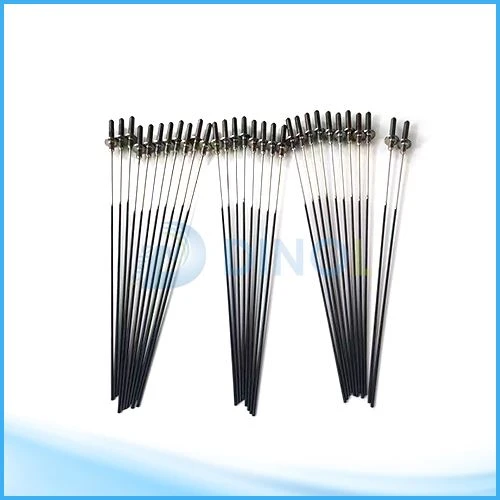
Understanding Power Anode Rods and Their Role in Hard Water Environments
There are a lot of calcium and magnesium minerals in hard water. According to the U.S. Geological Survey, about 8 out of 10 American homes have hard water. That mineral load attacks water heater tanks from the inside, forming scale deposits that slow heat transfer by up to 25% and speed up corrosion inside the tanks.
How Impressed Current Cathodic Protection Works
A power anode rod, which is actually an Impressed Current Cathodic Protection (ICCP) device, sends a small DC current, usually between 1.5V and 24V, through a titanium electrode that doesn't use any electricity. This current moves the metal surface of the tank to a safe electrochemical potential. This stops oxidation without causing the rod to lose any physical material.
Why Hard Water Demands a Different Approach
In hard water, traditional protective rods wear out faster because the harsh minerals speed up their electrochemical reaction. A normal magnesium stick can run out of magnesium in less than 18 months in water with a lot of TDS (Total Dissolved Solids). No matter how hard the water is, an MMO titanium anode keeps up a steady protective output, which keeps the tank safe all the time.
Operational Benefits for Commercial Systems
The benefit of water heater power anode rod is clear for hotels, multifamily housing managers, and industrial facilities that use large water heaters: fewer service interruptions, lower labor costs related to rod inspections, and a more accurate estimate of the asset's useful life. Several commercial hospitality owners say that switching to impressed current systems has cut the number of water heater maintenance calls by more than 60%.
Comparing Power Anode Rods vs. Traditional Magnesium Anode Rods for Hard Water
The type of rod you choose has a direct effect on your total cost of ownership. Here is a clear explanation of how different materials work when there is hard water.
Magnesium Rods: High Consumption in Mineral-Rich Water
Magnesium sacrificial rods protect the steel tank by rusting more quickly than the magnesium rods. They last 3–5 years in soft water. That can last less than two years in water with a TDS level above 400 ppm. The rod can also release hydrogen sulfide gas as it breaks down. This is what gives water heaters their famous "rotten egg" smell.
Aluminum and Zinc Alloy Rods: A Middle Ground
Aluminum/zinc rods last a little longer than magnesium rods and help keep sulfur smells from spreading. They do, however, break down over time, leaving behind a sludge that builds up at the bottom of the tank. In commercial systems that are used a lot every day, this sediment buildup makes the heating less effective and can eventually block the drain valves.
MMO Titanium Power Anodes: Long-Term Stability
Titanium anodes that are coated with MMO don't break down. The Mixed Metal Oxide coating, which is usually iridium-tantalum oxide or ruthenium-iridium oxide, gives the material electrochemical activity without losing any of its shape. Service life that has been recorded often lasts longer than 20 years. In terms of business-to-business purchasing, this means that one capital investment will replace a cycle of repeated costs for replacement tanks and sacrificial rods.
For any hard water area with high business needs, these differences make it clear that water heater power anode rod with MMO titanium substrate is the technically sound and financially smart choice.
How to Assess, Maintain, and Replace Power Anode Rods in Commercial Water Heaters
Reviewing an anode system every so often is good for even the most durable ones. Your plan to stay safe stays strong as long as you know what to look for.
Warning Signs That Your Current Anode Has Failed
If your water is turning a different color, smells like sulfur, has rust stains in the tank drain, or stops heating for no apparent reason, it means that your current anode is no longer working. When an anode fails in an industrial system, it usually first shows up as early tank rust during routine maintenance checks.
Inspection and Diagnostic Steps
The basic step is a visual inspection during routine maintenance. Good units for impressed current systems have an LED state display. A steady green light means the DC circuit is on and the tank is getting cathodic protection. Every year, the power connection and output voltage of the controller are checked. This takes less than five minutes and makes sure the system is working.
Installation Best Practices
As long as you have the right tools, most power anode rods have a standard 3/4-inch NPT thread that fits. The threaded end fits right into the water heater tank's existing anode port. There is no need to repair or change the tank in any way. Multiple rods can be placed at the same time to cover the whole surface of big commercial tanks that need more than one anode port.
Procurement Considerations: How to Choose and Buy the Best Power Anode Rods for Hard Water Homes
Before deciding on a supplier, B2B procurement teams evaluate water heater power anode rod based on a number of technical and financial factors.
Here are the main things that procurement engineers with a lot of experience put first:
- Material verification: Confirm the titanium substrate meets Grade 1 or Grade 2 purity standards. Lower-grade substrate materials are prone to brittle failure under thermal cycling in water heater environments.
- Coating specification: Request documented MMO coating composition (ruthenium-iridium or iridium-tantalum) and ask for NACE TM0108 accelerated life test results, which verify coating durability under real operating conditions.
- Certifications: Look for NSF/ANSI 61 compliance (drinking water safety), UL or CE electronic certification, and NACE cathodic protection standards. These are not optional for commercial deployments in the U.S. market.
- Supplier OEM capability: Confirm the manufacturer can accommodate custom dimensions, voltage specifications, or bulk order lead times. For large-scale deployments, customization reduces installation complexity significantly.
- Total cost of ownership: A quality MMO anode rod priced higher at purchase typically delivers 8–10× the service life of a sacrificial rod. Over a 10-year horizon, the cost per year of protection is substantially lower.
These factors make it easy for buying teams to compare sellers in an unbiased way. When you get a price that doesn't include coating specs or certification paperwork, that in itself tells you a lot about how detailed the source is.
Conclusion
Hard water accelerates internal corrosion of water heater tanks to an extent that conventional magnesium or aluminum sacrificial rods cannot mitigate long-term. water heater power anode rod adopting MMO-coated titanium impressed current technology fills this gap, delivering stable electrochemical corrosion protection throughout the tank’s service life with minimal maintenance. For commercial, industrial and large residential systems located in hard-water regions, this MMO titanium powered anode rod is a well-proven optimal selection.
FAQ
Does a power anode rod eliminate the sulfur odor in hard water systems?
Yes. By getting rid of the magnesium that sulfur-reducing bacteria react with, the smell usually goes away 24 to 48 hours after installation. When commercial operators switch to impressed current systems, this is one of the first and most noticeable results they see.
How long does an MMO titanium anode rod last in hard water?
MMO titanium anode bars have been used in business settings for more than 20 years in most cases. The exact length of time it lasts varies on the DC power rate and how bad the water is, but it doesn't break down nearly as quickly as any other type of sacrificial rod.
Are power anode rods compatible with all water heater brands?
A 3/4-inch NPT thread is used by most units, and they fit most major brands. There are adapter fittings for brands whose ports are not set up in a standard way. Always make sure that the threads will work together before ordering a lot of them.
What happens to the tank during a power outage?
Active cathodic protection is temporarily lost for the tank. When the power comes back on, most good controllers automatically restore full protection, so you don't have to do anything to reset them.
What quality tests should I request from a supplier?
Ask for NACE TM0108 coating life test results, a titanium base pure certificate (Grade 1 or 2), ASTM D3359 coating adhesion results, and a certificate for a 150 PSI pressure test on the rod assembly seal.
Request a Quote from Tianyi — Trusted Water Heater Power Anode Rod Manufacturer
Tianyi is an expert in making MMO-coated titanium anodes that work well in hard water settings. They can do both OEM and ODM work and have all the necessary licenses. No sales pressure is used when our technical team answers any question. For more information on our products and to request a sample of our water heater power anode rod, please email us at info@di-nol.com or go to dsa-anodes.com.
References
1. U.S. Geological Survey (USGS). Hardness of Water. 2019.
2. NACE International. Cathodic Protection of Water Storage Tanks: TM0108 Standard Test Method. 2008.
3. NSF International. NSF/ANSI Standard 61: Drinking Water System Components — Health Effects. 2022.
4. American Society for Testing and Materials (ASTM). ASTM D3359: Standard Test Methods for Rating Adhesion by Tape Test. 2023.
5. Water Quality Association (WQA). Hard Water and Scale Formation in Residential and Commercial Water Heaters. 2020.
6. ASHRAE. ASHRAE Handbook — HVAC Applications: Service Water Heating. 2019.