




Polymer Flexible Anode: A Practical Buyer Guide for Marine CP Systems
If you manage procurement for corrosion protection projects in oil-and-gas or marine infrastructure, you already know how much rides on anode selection. A polymer flexible anode for cathodic protection delivers uniform current distribution along the entire protected structure, making it one of the most reliable tools available for impressed current cathodic protection (ICCP) systems. This guide walks through everything a procurement manager needs to know—from technical benchmarks and supplier selection to installation protocols and emerging technology trends—so you can source with confidence and protect your project margins.
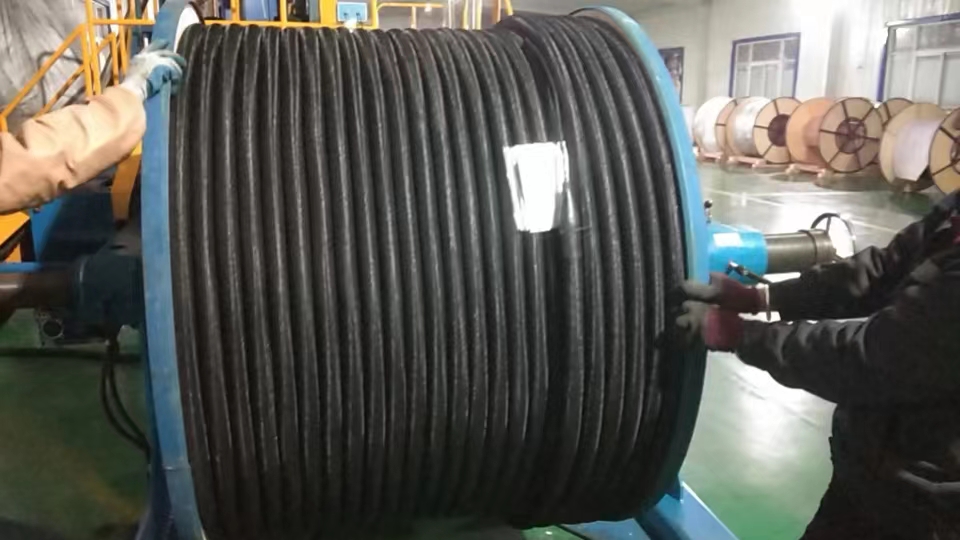
Understanding Polymer Flexible Anodes in Cathodic ProtectionHow the Anode System Works
As an extra anode groundbed, a polymer flexible anode works. When it is attached to the transformer-rectifier's positive terminal, it sends a safe current into the electrolyte (soil or water) around it and moves that current toward the metal structure that is connected to the negative terminal. This cathodic polarization stops electrochemical corrosion on the bottoms of tanks, buried pipes, and structures under the sea. The anode goes through controlled oxidation, which is why the quality of the material and the purity of the layer must be maintained for a design life of more than 40 years.
Core Construction and Key Specifications
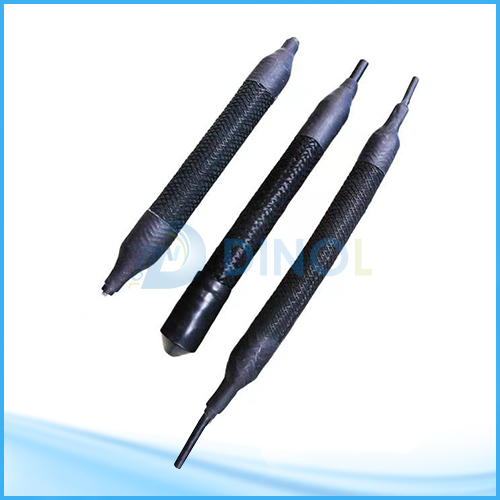
The market is mostly made up of two main architectures. The MMO/Ti linear anode has a titanium wire covered in Mixed Metal Oxide that comes in four different diameters: 1.0 mm, 1.5 mm, 2.0 mm, and ¦3.0 mm. The wire is wrapped in a carbonaceous backfill sheath that has an outer diameter of 38–40 mm. The conductive polymer flexible anode covers a stranded copper core with a modified conductive polymer layer. This makes the resistance to ground low through the copper and high through the polymer. Both types come with a 1 × 10 mm² XLPE/PVC cable inside and rolls that can be cut to length on the job site. Roll lengths are 500 m or 1,000 m.
Important performance standards that should be checked on every certificate of conformity (COC) are:
- Output current: 300–1,000 mA/m (MMO type: 328 mA/m at Φ1.5 mm wire; 656 mA/m at Φ3.0 mm wire)
- Carbon content of backfill: ≥ 99.5%
- Contact resistance (MMO/Ti wire to cable): ≤ 0.0009 Ω
- Weight loss rate in chemical immersion (ASTM D-543): < 1%
- Bending radius: 500 mm minimum
- Titanium substrate purity: 99.6% (ASTM B265 Gr1/Gr2)
Comparing Polymer Flexible Anodes with Other Anode Types
Stiff impressed current anodes, like graphite rods, high-silicon cast iron, or platinized titanium tube anodes, spread current from separate places, making voltage differences along long structures. In a tank floor or a pipeline corridor with close spaces between the pipes, these gradients make some areas too safe while leaving others open to damage. This problem is fixed by a linear MMO bendable anode, which spreads the discharge along the whole length of the installation. This makes the shielding potential almost uniform. For polymer flexible anode for cathodic protection, this uniform current distribution is what prevents over-protection and under-protection in congested tank bottoms and pipeline corridors.
Zinc and magnesium anodes that are used as sacrifices are passive by nature. They don't need a rectifier, but their electrical capacity is limited and runs out faster in soils with a high resistance or buildings with a lot of coatings. When coating holiday density goes up on old pipes, sacrifice systems can't keep up with the needed current flow. On the other hand, impressed current flexible anodes let the user change the output level through the transformer-rectifier, so it can adapt to changing asset security needs over time.
A useful comparison to keep in mind is that with Φ1.5 mm MMO wire, the linear output of 328 mA/m at a contact resistance of ≤ 0.0009 Ω is better than standard graphite groundbeds in high-resistance clay soils, where higher driving voltages would make transformer-rectifier capital costs go up.
Procurement Considerations for Marine CP Systems
Technical Parameters That Must Appear on Every Data Sheet
Before they can approve a material list, procurement teams that follow NACE/AMPP SP0169 or ISO 15589-1 guidelines need to write down the following:
- English-language Technical Data Sheet (TDS) and COC
- Factory inspection report confirming MMO/Ti wire diameter, coating thickness (6–10 μm for MMO), and substrate composition
- Third-party accelerated life test results referenced to NACE TM0108
- Batch-specific contact resistance measurement (≤ 0.0009 Ω)
Think about delivery windows in addition to the data sheet. After material approval, most projects in the Middle East and Southeast Asia have wait times of two to six weeks. Standard production runs for orders up to 10,000 m have a 30-day wait time. For bigger orders, terms can be worked out. Shipping can be done by sea freight, plane, or courier, based on how quickly you need it, and standard export packing that is ISO 9001-certified is included.
Pricing and Supplier Qualification
You can have a price difference of 30–50% compared to well-known Western brands without lowering quality standards, as long as you inspect the first item and ask for third-party samples. Payment plans that require a 30% fee and the remaining 70% when the bill of lading is presented are common and in line with how risks are usually distributed in foreign trade. Suppliers who offer OEM labeling, custom reel lengths, and a range of cable specifications (XLPE/PVC, PVDF/HMWPE, EPR/CSPE) lower the cost of engineering rework on projects where the drawings aren't standard.
Installation and Maintenance of Polymer Flexible Anodes
Step-by-Step Field Protocol
The steps for installing a buried linear anode are similar to the steps for laying cables, which most corrosion crews quickly learn. Here is the usual process that has been checked on both tank and pipeline ICCP projects:
- Excavate a trench parallel to the pipeline or along the tank perimeter, sized to accommodate the anode outer diameter (38–40 mm) plus coke backfill clearance.
- Distribute half the coke breeze layer across the trench bottom, then lay the flexible anode on top.
- Cover the anode with remaining coke breeze to reduce groundbed resistance and extend service life.
- Compact with native soil and complete final backfill.
You have to use coke backfill. Without it, the soil current output drops from about 82 mA/m to 52 mA/m, which is a 37% drop that can leave important areas without enough protection. For polymer flexible anode for cathodic protection, this is why coke breeze backfill is not optional — it lowers contact resistance, improves current distribution and ensures the anode delivers its rated output along the entire protected structure.
Joint sealing is just as important. Any node that connects two anode pieces must use a sealing material that doesn't rust or break down over time. ICCP systems often don't work as well as they should because of buried joint problems, which are almost impossible to check for without digging. It is worth the extra cost to specify the quality of the node seal in your purchase order.
Scheduled Maintenance Benchmarks
The coldest temperature that can be used is 80°C, and the coldest temperature that can be installed is -18°C. Closed-interval potential studies (CIPS) done once a year on buried pipes and reference electrode checks done on tank floors on a regular basis will show that the cathodic protection potential stays within the safe range set by AMPP standards. An anode that is supposed to last at least 40 years shouldn't need to be replaced during a normal asset ownership cycle, as long as the right current density is kept at less than 2,000 A/m².
Future Trends and Technology Advancements in Polymer Flexible Anodes
The way ICCP systems are managed is changing because smart monitoring is being added in. Transformer-rectifiers now have remote data loggers that send real-time readings of potential and current to cloud dashboards. This lets repair be planned ahead of time without sending out field workers. For procurement managers, this means making sure that the anode system is compatible with dataloggers when it is being designed, instead of adding it later. For polymer flexible anode for cathodic protection, specifying monitoring compatibility at the design stage ensures the system can support remote diagnostics, predictive maintenance and long-term data traceability without costly retrofits.
New discoveries in material science are making MMO coatings last longer. According to a study published in Corrosion Science, using the right amount of iridium and tantalum oxide on titanium substrates lowers the coating's consumption rate to less than 1 mg/A-year in seawater, making it better than older versions that used ruthenium as the main ingredient. Eco-material efforts are also growing. For example, halogen-free cable jackets are now on the market and can be used for projects in coastal or estuarine areas that are important for the environment.
Conclusion
The physical asset and the project margin are both protected when the right linear anode system is chosen. A well-designed polymer flexible anode for cathodic protection—backed up by batch test reports, third-party sampling, and the right way to install it in the field with coke backfill—keeps corrosion under control for more than 40 years. When procurement teams insist on written quality metrics before shipment, not after, the gap between meeting specifications and actually doing well in the field gets smaller. If you match the sized MMO wire to the project's current needs and the soil's resistance, you'll have a groundbed design that will last.
FAQ
What design life can I expect from an MMO flexible anode?
If you place an MMO/Ti linear anode correctly, it should last for at least 40 years, as long as the current density stays below 2,000 A/m² and coke is used to fill in the groundbed. You can use this standard for both DN-15 (Φ1.5 mm wire) and DN-30 (Φ3.0 mm wire) products.
Can the anode cable and reel length be customized?
Yes, you can choose from XLPE/PVC, PVDF/HMWPE, and EPR/CSPE for the cable jacket. The diameters of the MMO/Ti wires range from 1.0 mm to 3.0 mm. Standard reel lengths are 500 m and 1,000 m, but you can ask for other lengths. The anode cuts neatly at any point, so there is no waste on sites with odd shapes.
What documentation ships with each order?
Each order comes with a Technical Data Sheet, a Certificate of Conformance, and a factory inspection report in English that describe the MMO layer thickness, contact resistance (≤ 0.0009 Ω), and carbon content (≥ 99.5%). You can ask for third-party verification and first-article review plans.
Are free samples available before committing to a full project order?
You can get free samples. This lets your owner-side corrosion engineer try the materials on their own against NACE/AMPP approval standards before sending the list of materials to the owner for approval.
Partner with Tianyi for Reliable Polymer Flexible Anode Supply
Tianyi makes MMO bendable anodes that are built to ASTM standards and are approved by ISO 9001. The titanium substrate is 99.6% pure, and the power has been measured to be between 328 mA/m and 656 mA/m. We are a reliable supplier of polymer flexible anodes for projects in North America, the Middle East, and Southeast Asia. We offer full customization, OEM capabilities, and English-language technical support at every stage. You can email us at info@di-nol.comto get a TDS package, a free sample, or a quote that is tailored to your project.
References
1.NACE International. Cathodic Protection of Underground Storage Tank Systems. NACE SP0285. 2011.
2.ISO. Petroleum and Natural Gas Industries — Cathodic Protection of Pipeline Systems — Part 1: On-Land Pipelines. ISO 15589-1. 2015.
3.AMPP (formerly NACE). Control of External Corrosion on Underground or Submerged Metallic Piping Systems. NACE SP0169. 2013.
4.Gabe, D. R. "Mixed Metal Oxide Coatings for Titanium Anodes." Corrosion Science, Vol. 44, No. 3, 2002.
5.Broomfield, J. P. Corrosion of Steel in Concrete: Understanding, Investigation and Repair. 2nd ed. Taylor & Francis, 2007.
6.ASTM International. Standard Test Methods for Resistance of Plastics to Chemical Reagents. ASTM D543. 2014.