




Sodium Hypochlorite Electrolytic Cell Uses in Aquaculture and CIP
A sodium hypochlorite electrolytic cell generates disinfectant on-site by passing electrical current through a saline solution, converting sodium chloride and water into sodium hypochlorite (NaClO). In aquaculture, this technology controls pathogens in fish tanks, recirculating systems, and seawater intake lines without storing hazardous liquid chlorine.
In Clean-in-Place (CIP) systems at food processing facilities, it delivers consistent, measurable chlorine concentrations to sanitize pipelines and equipment. Compared to bulk chemical delivery, on-site generation reduces transport risk, lowers reagent costs, and gives operators tighter process control—qualities that matter deeply to procurement managers and plant engineers.
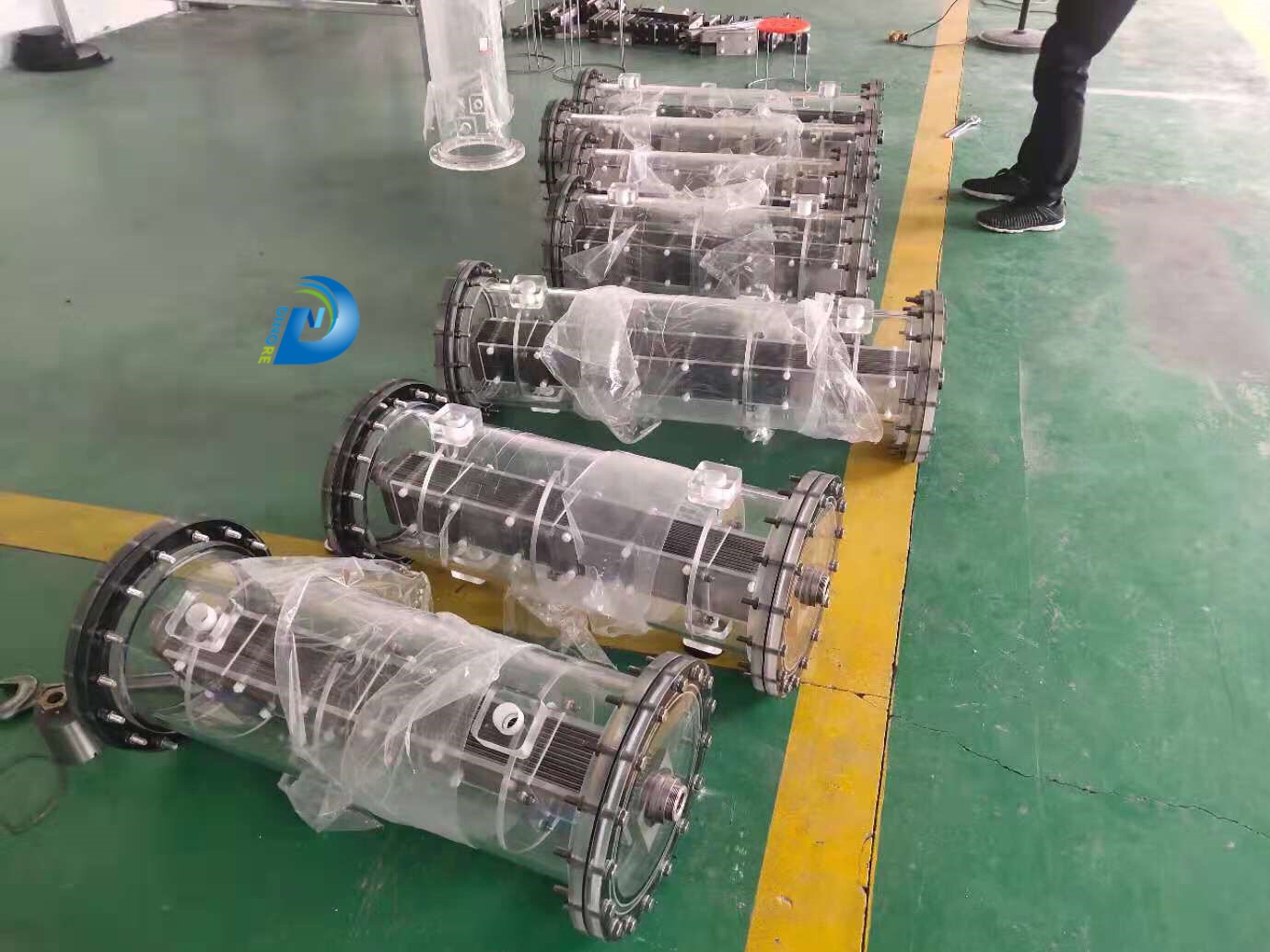
Understanding Sodium Hypochlorite Electrolytic Cells and Their Role in Aquaculture and CIP
The Core Electrochemical Process
Direct current powers two half-reactions going on at the same time inside the electrolytic cell. The chloride ions are changed into chlorine gas at the anode: 2Cl⁻ − 2e⁻ → Cl₂↑. The hydrogen ions are reduced at the cathode: 2H⁺ + 2e⁻ → H₂↑. Hypochlorite is made right away when the chlorine gas meets the alkaline cathode environment. It ends with NaCl + H₂O → NaClO + H₂↑. Hypochlorite ion is created and has the same ability to oxidize and sanitize as other chlorine products. It can kill bacteria, viruses, and biofilms.
Why Aquaculture Operations Depend on It
Biological pressure is always present in fish farms and marine hatcheries. Pathogens like Vibrio and Aeromonas can kill off a whole stock in just a few days. Electrolytic chlorine generation (ECG) on-site lets workers set the exact amount of residue needed, which is usually between 0.5 and 2 mg/L of free chlorine, so they don't add too much or too little. This model, the TY-WL, can handle 2–5% saline and low-salinity seawater, so it can be used in both recirculating aquaculture systems (RAS) and marine cage operations.
How CIP Systems Benefit from On-Site Generation
CIP circuits in dairy, drink, and seafood factories require fresh, concentrated, and stabilizer-free sanitiser. Electrolytic production produces a low-concentration NaClO solution (6–8 g/L active chlorine) that is pumped directly into the CIP loop on demand. This eliminates the need for bulk hypochlorite of sodium, which breaks down 10–15% per month when kept, and helps plants fulfil FDA 21 CFR Part 110 cleanliness criteria with proven results.
Optimizing Sodium Hypochlorite Electrolytic Cell Performance for Industrial Use
Material Selection and Electrode Durability
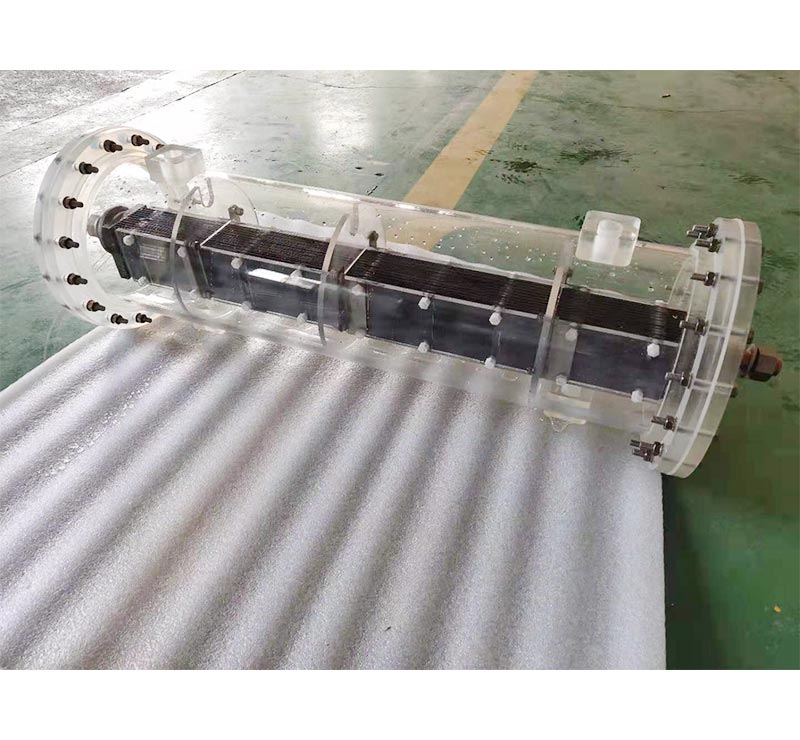
Mixed Metal Oxide (MMO) technology is used to cover titanium surfaces with a ruthenium-iridium (Ru-Ir) nano-layer for sodium hypochlorite electrolytic cell of the TY-WL line. This coating keeps the overpotential for chlorine evolution low and protects the electrodes from the acidic hypochlorite environment that kills electrodes that aren't covered.
The PMMA/PVC shell can withstand up to 0.2 MPa of operating pressure, and the structure design actively lowers stray currents, which are a common reason why electrodes wear out too quickly. As long as everything works as it should, the electrode covering should last at least five years.
Energy Consumption and Operational Parameters
Plant managers really want to keep energy costs as low as possible. The TY-WL line has chlorine outputs ranging from 50 g/h (WL50B) to 2000 g/h (WL2000B), and it can work with voltages from -5 V to -40 V and currents from 60 A to 460 A. A saline feed concentration of 2–5% and an inlet water temperature of 5–15 °C keep the electrolysis reaction going strong without putting too much stress on the coating. Regularly washing with 15–18% hydrochloric acid gets rid of scale deposits and improves cell performance, which means that electrodes don't need to be replaced as often.
Scheduled Maintenance That Supports Continuous Operation
Uptime is protected by a regular maintenance schedule. Here are the most important daily tasks that keep the cell working at its full potential:
- Daily checks: Verify saline feed flow rate against the model's specification (e.g., 65–85 L/h for WL500B) and confirm chlorine output readings match the control panel display.
- Weekly inspection: Check electrode plates visually for scale buildup; rinse with softened water if early deposits appear.
- Periodic acid wash: Apply 15–18% HCl solution per the manufacturer's pickling cycle to remove calcium carbonate scale and restore electrode activity.
If you follow these steps, you can avoid the gradual loss of efficiency that is often mistaken for electrode failure. This saves money on procurement budgets that would have been spent on replacements too soon.
How to Select the Right Sodium Hypochlorite Electrolytic Cell for Your Business Needs
Match Output Capacity to Your Process Load
Start by figuring out how much chlorine you need for sodium hypochlorite electrolytic cell. A 500-ton RAS fish farm needs about 200–500 g/h of active chlorine to treat the water and keep the fish safe. A medium-sized CIP loop for food handling that serves three cleaning circuits might need 300 to 750 g/h, depending on how often the cycles happen.
The TY-WL series has nine model grades, from WL50B to WL2000B, so you can match capacity exactly instead of buying too much. Pairing two smaller units in parallel is often more reliable than one large cell running at partial load for projects where demand changes.
Evaluate Certifications and Control Integration
For food-grade CIP uses, the CE mark shows that the electrical cabinet follows European safety rules. This is a crucial standard even for U.S. buyers looking for facilities to sell to other countries. Marine aquaculture and vessel disinfection projects also need ship-class certification from the China Classification Society (CCS) or an equivalent organization. On the controls side, make sure that the power unit and control cabinet use standard parts, like PLC names that have a lot of spare parts available. This way, your repair team can get replacements quickly without having to wait for custom parts.
Assess After-Sales Support and Reference Projects
The thing that worries procurement managers the most is not having any help after installation. A reliable supplier should offer FAT (Factory Acceptance Testing) paperwork, an on-site commissioning team for SAT (Site Acceptance Testing), and a trial-run protocol that lasts for 30 days.
Ask specifically for reference projects in the same application sector, like food processing or aquaculture, because the chemicals used and the schedules for cleaning are very different from those used for municipal water treatment. Verified case studies from similar sites are more important than product handouts alone in the approval process within the company.
Procurement and Supplier Guidance for Sodium Hypochlorite Electrolytic Cells
What to Look for in a Qualified Supplier
From coating MMO electrodes to assembling sodium hypochlorite electrolytic cell, Shaanxi Tianyi New Material Titanium Anode Technology Co., Ltd. in Baoji High-Tech Development Zone manufactures the TY-WL line. Vertical integration allows the manufacturer to regulate coating quality throughout the process. This is great when electrode lifespan is important. This company offers OEM and ODM services for equipment integrators and skid package makers that require a control system-compatible cell.
Customization Options and Lead-Time Planning
Standard TY-WL variants include PMMA or PVC shells, flanged or threaded joints (G1/2 to G1), and matching rectifier panels. Custom designs include flange diameters, electrode stack lengths, and seawater-compatible coatings. Quotes often discuss engineering wait periods. Placing a framework purchase early locks in pricing and ensures the electrode coating batch is the same across several units for large projects acquired every three to nine months.
Ensuring Safe and Effective Use of Sodium Hypochlorite Electrolytic Cells
Handling Protocols and Personnel Training
Liquid chlorine cylinders are much more dangerous than sodium hypochlorite solution at 6–8 g/L, but you still need to wear chemical-resistant gloves and eye protection when sampling and doing maintenance. Everyone who works on the cell should go through a one-day training that covers how to inspect the electrodes, check the saline system, and shut down in an emergency. An important part of Tianyi's completion package is installation and training.
Monitoring Performance and Troubleshooting Common Faults
Using an amperometric or DPD colorimetric tester inline to check the output chlorine content in real time lets you know right away if the cell falls below goal. Scale buildup on electrodes (which can be fixed by the acid-wash cycle we talked about earlier) and low saline concentration from brine dosing pump drift are the two most common problems. The second problem is caught by a flow-based alarm on the saline feed line before it affects the chlorine output. This keeps the system running without any help from a person.
Conclusion
Creating electrolytic chlorine on-site is a proven way to keep aquaculture and food plants clean during CIP with sodium hypochlorite electrolytic cell. The TY-WL series has wide output range. With long-lasting Ru-Ir MMO-coated titanium electrodes, it performs well with 2–5% salt water in freshwater RAS, seawater hatcheries, and automated CIP circuits. Get precise chlorine demand estimations, verify certificates, and identify a supplier that can assist your plant commission and beyond. These decisions are straightforward for purchasing teams with this guide's information.
FAQ
How long do the electrodes in a TY-WL electrolytic cell typically last?
Under normal operating conditions—2–5% saline, inlet temperature 5–15 °C, and regular acid-wash maintenance—the Ru-Ir nano-coated titanium electrodes are rated for a service life of five or more years. Premature wear usually traces to scale accumulation or operation outside the recommended current range.
Can these cells integrate with an existing automated CIP system?
Yes. The control cabinet communicates with standard PLC or SCADA systems via analog or digital I/O signals. The cell can receive a start/stop command from the CIP controller and modulate output based on a 4–20 mA chlorine demand signal, making integration straightforward for most automated cleaning platforms.
Is on-site generation safer than storing bulk sodium hypochlorite?
Storing large volumes of bulk NaClO creates both a chemical hazard and a degradation problem—active chlorine drops 10–15% per month. Electrolytic generation produces only what the process needs, at the point of use, eliminating storage tanks, secondary containment requirements, and the variability of aged chemical stock.
What saline source is required, and does it work with seawater?
The TY-WL cells run on 2–5% sodium chloride solution. The electrode material and coating are specifically selected to function in low-salinity seawater as well, which is relevant for marine aquaculture and vessel-based applications.
Get a Custom Quote from Tianyi — Trusted Sodium Hypochlorite Electrolytic Cell Manufacturer
The TY-WL line is a good technical and business fit for procurement managers and system designers who need a reliable supplier of sodium hypochlorite electrolytic cells. It is very important for Tianyi to be responsible after the sale because they have their own electrode coating experts, nine different models with different capacities, and full commissioning support. Get in touch with our technical team right away to talk about your application, get a datasheet, or start a quote. You can email us at info@di-nol.com or go to dsa-anodes.com for full product details.
References
1. Water Research — Deborde, M., & von Gunten, U. (2008). Reactions of chlorine with inorganic and organic compounds during water treatment.
2. Aquacultural Engineering — Summerfelt, S. T., & Hochheimer, J. N. (1997). Review of ozone processes and applications as treatment technology in aquaculture.
3. Journal of Food Protection — Marriott, N. G. (1999). Principles of Food Sanitation, 4th ed. — Springer Science & Business Media.
4. Desalination — Kraft, A. (2008). Electrochemical water disinfection: A short review.
5. Journal of Electroanalytical Chemistry — Trasatti, S. (2000). Electrocatalysis: Understanding the success of DSA.
6. Food Control — Mostert, J. F., & Jooste, P. J. (2008). Cleaning and disinfection in the dairy industry — Application of CIP systems.