




Sodium Hypochlorite Generator vs Electrolyzed Water Generator
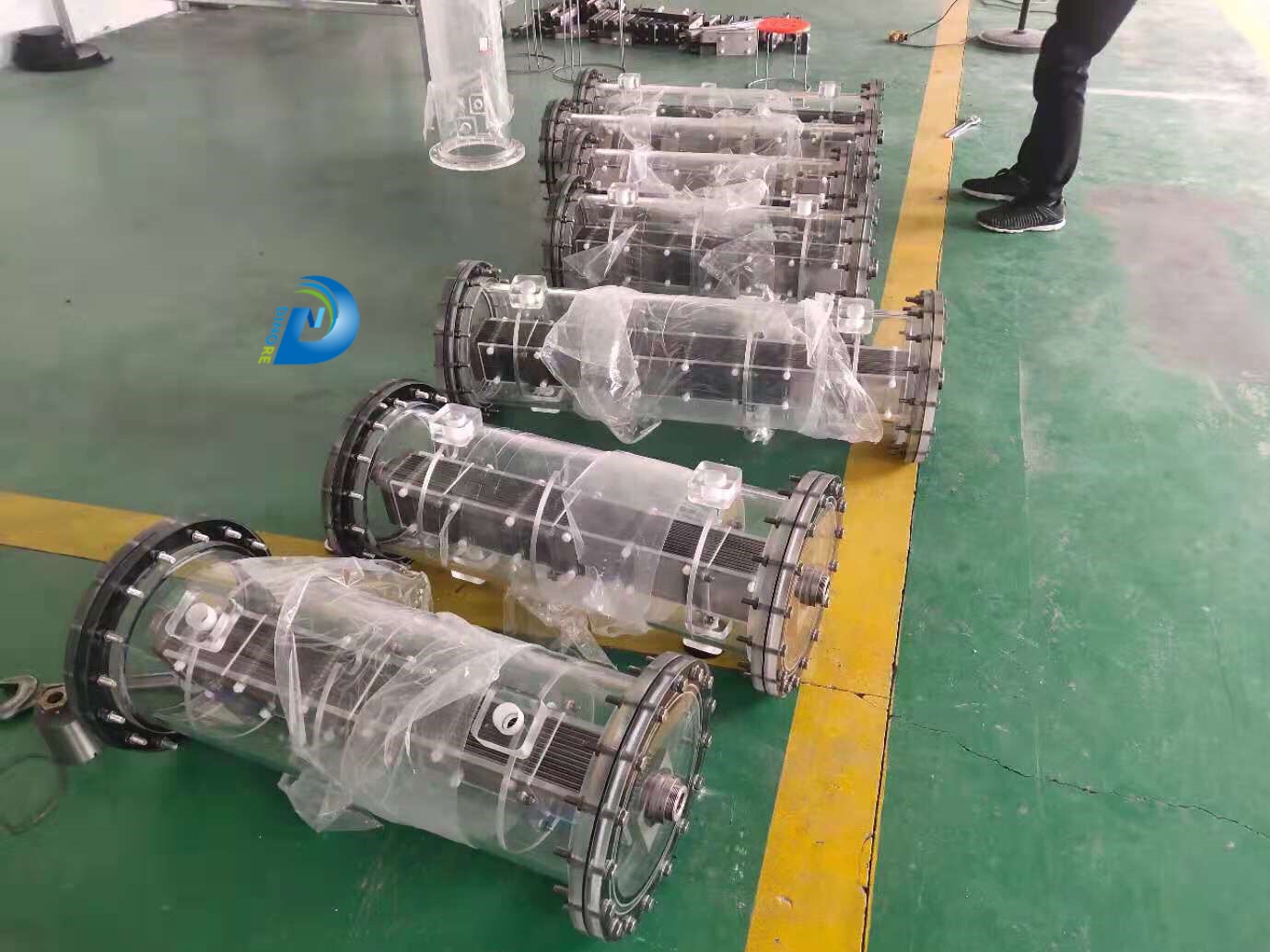
When evaluating disinfection technologies for industrial or municipal applications, the choice between a sodium hypochlorite generator and an electrolyzed water generator carries significant operational weight. A sodium hypochlorite generator electrolyzes a brine solution to produce chlorine-based disinfectant on-site, eliminating the need to transport or store hazardous chemicals. An electrolyzed water generator splits plain water into two functional streams. Both systems rely on advanced electrochemical electrode materials, yet they serve distinct use cases. Understanding the differences helps procurement teams make smarter, more cost-effective sourcing decisions.
Understanding the Basics: How Each System Works
Sodium Hypochlorite Generator
In an electrolytic cell, a sodium hypochlorite generator controls an electric current that flows through a weak saline solution. When chloride ions are oxidized at the surface of the titanium anode, active chlorine in liquid form is made. The usual anode material is high-purity titanium plates covered in layers of Mixed Metal Oxide (MMO), mostly ruthenium and iridium. These layers are very good at conducting electricity and are not easily damaged by chlorine. A consistent, high-concentration chlorine output is necessary in many places, such as city water treatment, industrial cooling towers, wastewater disinfection, and swimming pool cleanliness.
Electrolyzed Water Generator
An electrolyzed water generator uses tap water to run two separate electrolytic cells, which make two streams of water: an acidic anolyte that oxidizes and disinfects the water and an alkaline catholyte that cleans and removes grease. When compared to brine-based systems, the electrode design and water quality needs are very different. The concentrations of active disinfectant that come out of this unit are usually lower than those that come out of a brine electrolysis unit, but they are good for some uses, like cleaning surfaces that come into contact with food, medical instruments, and light-duty industrial hygiene.
Performance and Operational Comparison
The most obvious difference is the concentration of output. Sodium hypochlorite systems usually make solutions with 0.8% to over 1% available chlorine, while electrolyzed water units usually give hypochlorous acid (HOCl) at values of 50 to 200 ppm, which is good for cleaning surfaces but not good for dosing large amounts of water.
There are also big differences in operational cost levels. The main things that affect costs in both technologies are listed below:
- Salt consumption: Sodium hypochlorite generators consume approximately 3–4 kg of food-grade salt per kg of active chlorine produced. Electrolyzed water units use minimal or no added salt, but require tightly controlled inlet water quality, often necessitating pre-treatment investment.
- Energy consumption: Brine-based systems draw more power per unit volume of output, but the higher chlorine concentration means less volume is needed per treatment cycle. Electrolyzed water generators operate at lower power draw with broader dosing requirements.
- Electrode service life: MMO-coated titanium anodes in a well-maintained sodium hypochlorite system routinely achieve 4–6 years of operational life before recoating or replacement is required, directly reducing long-term maintenance spend.
There is a big difference between these factors when procurement managers look at the total cost of ownership over a number of years. Lifecycle costs are typically lower when you spend more up front on strong electrode materials. This is an important thing to think about for yearly framework deals that are popular in business-to-business buying.
Choosing the Right Solution for Your Business Needs
Matching Technology to Application Scale
The sodium hypochlorite method is almost always preferred by large businesses like municipal utilities, industrial water treatment plants, and bulk production sites. In these settings, it is essential to be able to dose high-concentration chlorine consistently and at a high volume. Automated systems with built-in brine dosing units, control panels, and real-time monitoring make operators even less needed.
On the other hand, electrolyzed water generators work best in decentralized, low-volume settings like food processing sanitation stations, hospital surface hygiene, and small-scale agricultural disinfection. Their chemical-free input stream and ability to have two outputs make them appealing to operators who have to follow strict environmental rules.
Procurement Decision Criteria
Procurement managers should check a number of technical and business factors before making an order. It is important to write down the daily chlorine output that is needed, the installation size that is available, the chemistry of the water in the area, and any legal requirements that need to be met (NSF/ANSI 61 for drinking water uses or RoHS/REACH for electrode materials). For long-term partnerships, it's best to work with suppliers whose manufacturing processes are ISO-certified and who have shown they can supply in batches.
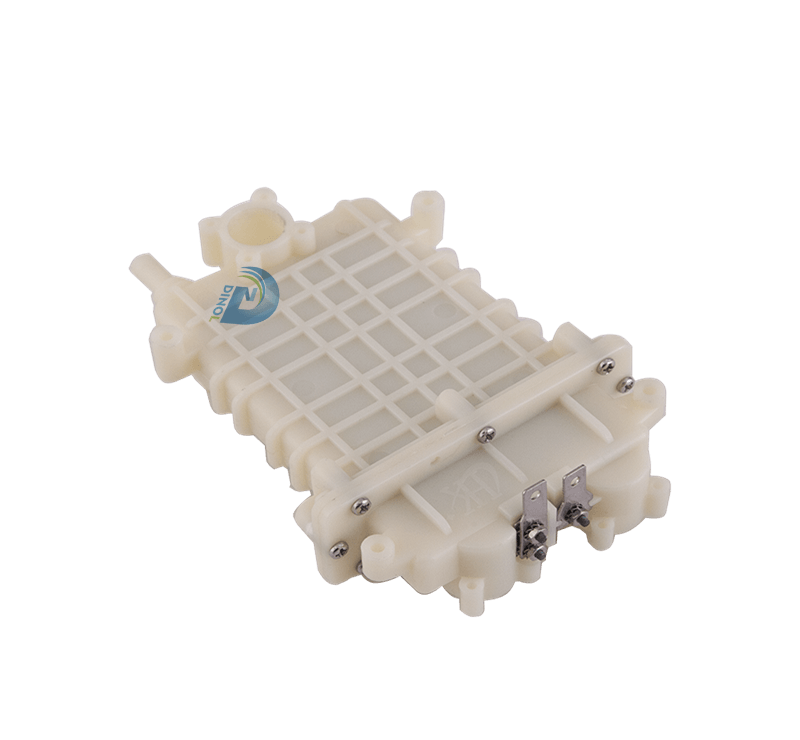
Some well-known brands in this field are Evoqua Water Technologies, De Nora, and Siemens Water Technologies. When looking for electrode parts or whole electrochemical systems, working with a maker that offers OEM/ODM customization and coating formulations made just for your purpose gives you a clear edge over other companies. Forsodium hypochlorite generatorsystems, this level of customization matters because electrode coating chemistry, cell geometry and operating conditions directly affect chlorine output, energy efficiency and long-term reliability.
Troubleshooting, Safety, and Maintenance Best Practices
Common Faults and Preventive Actions
Most of the time, electrode passivation is what goes wrong in salt electrolysis systems. Calcium or magnesium ions from hard water stick to the anode surface, which makes the chlorine output go down. Periodic cleaning processes with weak hydrochloric acid bring back the action of the electrodes. In places where the hardness of the water coming in is higher than 50 parts per million (ppm), it is common practice to add a softener or deionization stage upstream as a safety measure.
Different problems arise for electrolyzed water producers. Membrane fouling in divided cells can lower the difference in pH between the two output streams, which makes cleaning and disinfecting less effective. System performance stays within specs when membranes are checked and replaced on a regular plan instead of when they break.
Adding remote monitoring to both types of systems is a good idea. IoT-enabled controls that record flow rate, power use, and chlorine output in real time help maintenance teams find drift before it becomes a fault that stops production. North American water treatment plants that have to follow EPA or state-level rules should write down all of their maintenance tasks to make them ready for an audit.
Future Trends and Innovations in Disinfection Generator Technology
The market for disinfecting gear is always changing. In 2022, the global on-sitesodium hypochlorite generatormarket was worth about USD 683 million. It is expected to grow at a compound annual growth rate (CAGR) of around 6.4% until 2030, thanks to stricter rules on the shipping and storage of chemicals (MarketsandMarkets, 2023).
Designing electrolytic cells is getting better very quickly. Thinner electrode geometries with more surface area are lowering the voltage needed by cells while keeping the chlorine yield the same. This is expected to cut energy costs by 10–15% compared to designs from five years ago. Automation platforms now let procurement managers and plant operators check on the health of generators from afar, which cuts down on the number of site visits and the cost of maintenance labor.
Sustainability is a force that speeds things up. Facilities that want to get certified for zero-hazardous chemical storage see on-site creation, whether it's based on water or brine, as an important part of their environmental compliance efforts.
Conclusion
Sodium hypochlorite generators and electrolyzed water generators are both effective at killing germs, but they do their jobs in different ways. Brine-based systems have a higher output concentration, have been shown to be scalable, and have a well-established supply chain for electrode parts. Electrolyzed water units work without chemicals and are good for low-volume, compliance-sensitive settings. The best option depends on the amount of output needed, the budget, the rules in place, and the ability to maintain the system over time. Specification risk is greatly reduced when an electrode supplier with the right technical skills is hired early in the procurement process.
FAQ
What is the difference between a sodium hypochlorite generator and buying commercial bleach?
Commercial bleach degrades during storage and transport, losing active chlorine concentration over time. An on-site generation system produces fresh disinfectant continuously from salt and water, eliminating storage hazards and concentration variability. This is particularly important for facilities requiring consistent dosing accuracy.
Which system has lower operating costs?
It depends on scale. At high output volumes, sodium hypochlorite systems typically deliver a lower cost per unit of active chlorine because salt is inexpensive and electrode lifespans are long. Electrolyzed water systems can be cost-competitive at small scale due to minimal raw material inputs, but pre-treatment costs for water quality control can offset savings.
Can a sodium hypochlorite generator be customized for specific industrial conditions?
Yes. Electrode coating formulations, cell geometry, brine concentration range, and output flow rate can all be tailored. Manufacturers like Tianyi offer fully customizable systems designed for acid, alkali, salt spray, and high-temperature environments, supporting application-driven procurement decisions across a wide range of industries.
Partner With Tianyi — Your Trusted Sodium Hypochlorite Generator Manufacturer
Tianyi's high-tech electrochemical systems and MMO-coated titanium anodes are made to last, give consistent output, and fully comply with RoHS and REACH. Our engineering team is ready to help you with your technical review and quote process, whether you need a full sodium hypochlorite generator solution or just a few unique electrode parts for your current electrolytic cell. You can start a consultation with us by emailing us at info@di-nol.com. The consultation will be tailored to your production scale and performance goals.
References
1.MarketsandMarkets. (2023). On-Site Sodium Hypochlorite Generation Market — Global Forecast to 2030.
2.Water Environment Federation. (2021). Manual of Practice No. 8: Design of Municipal Wastewater Treatment Plants.
3.White, G. C. (2010). White's Handbook of Chlorination and Alternative Disinfectants(5th ed.). John Wiley & Sons.
4.American Water Works Association. (2020). AWWA Manual M20: Water Chlorination and Chloramination Practices and Principles.
5.Kraft, A. (2008). Electrochemical water disinfection: A short review. Platinum Metals Review, 52(3), 177–185.
6.International Electrotechnical Commission. (2019). IEC 62282-2: Fuel Cell Technologies — Part 2: Fuel Cell Modules.(Referenced for electrochemical cell design standards applicable to electrolytic systems.)