




Top 5 Lead Dioxide Electrode Benefits for Water Treatment Plants
When evaluating electrode materials for industrial wastewater treatment, the lead dioxide electrode stands out as one of the most technically sound choices available today. Built on a titanium substrate with a composite PbO₂ coating, this anode type delivers a high oxygen evolution potential of 1.75 V, strong corrosion resistance in acidic media, and proven COD removal rates exceeding 85% for refractory organics. For procurement managers and process engineers working on electrochemical oxidation projects—particularly those handling pharmaceutical intermediates, pesticide wastewater, or coking effluent—understanding these five core benefits can directly inform smarter purchasing decisions.
Superior Electrochemical Efficiency Enhances Treatment Outcomes
High Oxygen Evolution Potential Drives Oxidation Power
When β-PbO₂ is deposited on a titanium substrate, it creates an environment with a high oxygen overpotential that makes it easy for hydroxyl radicals (·OH) to form when the titanium is polarized anodically. These radicals are some of the most powerful oxidants known. They attack organic molecules on the electrode surface that are hard to break down. When used to treat wastewater that contained nitrobenzene in the lab, Ti/PbO₂ anodes were able to remove up to 65% of the COD, which is a lot more than graphite electrodes could do under the same conditions.
Current Efficiency That Reduces Operating Costs
If you compare titanium-based PbO₂ anodes to regular lead alloy anodes, they lower cell voltage by 5 to 8 percent while increasing current efficiency by 93% to 95%. That drop in voltage means that less electricity is used per cubic meter of cleaned water at a water treatment plant that uses constant electrolysis. Over the course of a full project cycle, these savings often cover the cost of the initial purchase within the first year of operation.
Faster Contaminant Breakdown Verified by Pilot Data
A Ti/PbO₂ anode broke down a 10 mg/L methyl orange solution to almost nothing in just 12 minutes at an anodic current density of 36 mA/cm². It has been shown that phenol, aniline, and hydroxystyrene chemicals can be removed very well in three to six hours. These numbers can be repeated in small-scale tests, which gives process engineers peace of mind when moving from a bench test to a full EPC project delivery, and it is why a lead dioxide electrode is increasingly specified for industrial wastewater oxidation.
Durability and Longevity Reduce Maintenance and Replacement Costs
Service Life 1.5 to 2 Times Longer Than Traditional Lead Anodes
A Ti/PbO₂ anode is made up of a titanium mesh substrate, a ر/β-PbO₂ active surface, and an intermediate tin-antimony oxide or iridium-tantalum oxide layer. This makes a system where each layer protects the one below it. The middle layer stops the electrolyte from getting to the titanium surface, which stops TiO₂ passivation. Because of this, the anodes last 1.5 to 2 times longer than regular lead alloy anodes, even when they are used continuously in sulfuric acid.
Stable Performance Under High Current Density
The titanium mesh substrate format lowers the resistance to electrolyte flow and stops the electrode surface from getting too hot in one place. Because of how it is built, the anode can handle high current levels without breaking down faster. This structural advantage means that plants that treat high-COD industrial waste water around the clock will have fewer unplanned shutdowns and be able to plan their maintenance schedules more accurately.
Lower Total Cost of Ownership Over Project Lifecycle
Replacing anodes more often raises both direct and secondary costs, such as labor, production slowdown, and system recalibration. Procurement teams can lower the total cost of ownership over a two- to six-month project cycle by picking an electrode that has been shown to last a long time. Nanoparticle doping, like adding CeO₂ or carbon nanotubes, to more advanced versions has shown to improve coating retention by another 30%. This means that replacement times are even longer.
Broad Application Versatility Meets Diverse Water Treatment Needs
Effective Across Multiple Refractory Wastewater Types
Ti/PbO₂ anodes have shown high electrocatalytic activity in a lot of different types of tough-to-treat biological garbage. Some examples are wastewater from pharmaceutical intermediates, runoff from pesticides, effluent from coking plants, and leachate from landfills. Electrochemical oxidation with a lead dioxide electrode doesn't make any secondary solid waste like Fenton-based oxidation methods do, which makes it much easier for EPC contractors to handle the waste after treatment.
Flexible Geometry Options for Custom System Design
When making Ti/PbO anodes, the following are the main configuration choices that can be made:
- Plate format: Ideal for rectangular electrolytic cells with parallel-plate electrode stacks, offering even current distribution across large surface areas.
- Mesh format: Reduces hydraulic resistance in flow-through cells, improves mass transfer, and prevents electrode overheating under high current density conditions.
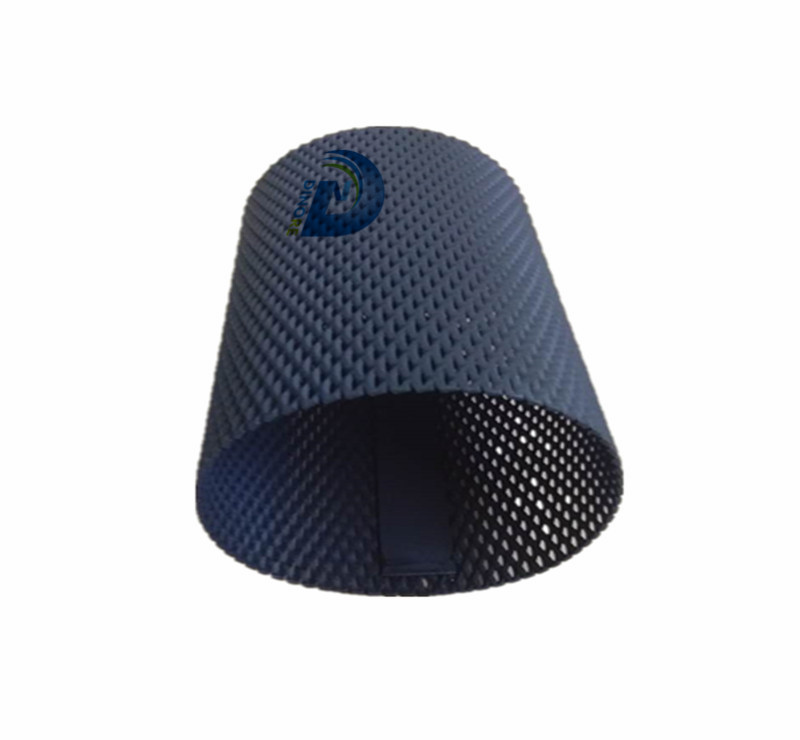
- Tubular format: Suited for cylindrical reactor designs where compact installation space is a priority.
With these different geometry choices, process engineers can add PbO₂ anodes straight to both new systems and old ones, without having to rethink the whole reactor structure.
Proven Track Record in Inorganic and Organic Synthesis Applications
PbO₂ electrodes are used for more than just cleaning wastewater. They are also used to make chlorate, H₂O₂, and haloform. In these cases, they are more efficient at conducting current than both graphite and platinum. PbO₂ has a current efficiency of 92.5% for making bromoform, while platinum has an efficiency of 87% and graphite has an efficiency of 86%. This wide range of tested uses gives procurement professionals even more faith in the electrode's technical maturity.
Environmental Compatibility Supports Regulatory Compliance
Eliminates Chemical Sludge Compared to Fenton Treatment
One of the main problems with standard Fenton oxidation is that it makes a lot of iron-bearing sludge, which needs to be thrown away separately and adds to the amount of hazardous trash that a facility has to deal with. When you use a lead dioxide electrode for electrochemical oxidation, electrical current instead of chemical solutions is used as the main oxidant source, so no chemical precipitates are formed. This method helps make effluent standards cleaner and lowers a plant's overall impact on the environment.
Coating Structure Minimizes Lead Ion Release Risk
A worry that many buying teams share is that lead ions could get into cleaned water. The β-PbO₂ surface layer of a properly made Ti/PbO₂ anode is chemically stable in strong acids like H₂SO₄ and HNO₀. The oxide layer in the middle keeps the electrolyte and titanium substrate from coming into direct contact with each other. Lead ion dissolution stays within acceptable industry limits when it comes from a qualified producer with proof of quality control. This supports discharge compliance.
Supports Energy Conservation Goals Required by Modern Permits
Regulations in the US and around the world are making it more and more necessary for industrial facilities to report and lower their energy intensity. Ti/PbO₂ anodes lower cell voltage by 5% to 8%, which directly lowers the amount of energy needed to treat one unit of water. This helps plants meet permit requirements that depend on energy use while keeping treatment output the same.
Reliable Supply Chain and After-Sales Support Enhance Procurement Confidence
What to Evaluate When Selecting a Lead Dioxide Electrode Supplier?
Finding a good manufacturer of lead dioxide electrodes takes more work than just looking at the price list. Before placing an order, procurement teams should make sure of the following:
- Pilot-scale trial support: Can the supplier provide a 1:1 bench-to-pilot scale-up package, including a mid-trial report in PDF format? This is especially important for novel wastewater compositions where existing data is limited.
- Customization capability: Does the supplier offer plate, mesh, and tube geometries with adjustable dimensions, and can they co-develop process drawings with your design institute?
- Response time: For 24/7 industrial operations, can the supplier commit to emergency technical support and replacement delivery within a defined window?
These things have a direct effect on project risk, especially for EPC contractors who have to meet tight deadlines of 30 to 60 days after the award.
Tianyi's Manufacturing and Quality Assurance Process
Shaanxi Tianyi New Material Titanium Anode Technology Co., Ltd. makes Ti/PbO₂ anodes using a well-known multi-stage electrodeposition method that includes pretreatment of the base, application of an intermediate layer, and dual-phase α/β-PbO₂ coating deposition. Each production run is checked when the raw materials are being added, when the coating is being put on, and when the finished product is being tested. This makes it easier to keep track of the paperwork that design firms and EPC clients usually need to file projects.
Post-Sale Technical Support That Protects Your Project
The success of an electrode depends on the right working conditions for a long time after it has been installed. Tianyi's expert team helps with replacement planning, working state suggestions for certain types of wastewater, and commissioning on-site. This level of after-sales support lowers the risk of underperformance claims and expensive rework for procurement managers who are in charge of projects that have a delivery and commissioning cycle of two to six months.
Conclusion
Ti/PbO₂ anodes are a technically sound way for industrial sites to treat toxic wastewater that is hard to clean up. The main problems that process engineers and procurement managers face every day are solved by their high oxygen evolution potential, long service life, flexible shape choices, and low secondary pollution profile. If you buy these electrodes from a supplier who can provide pilot data, custom configurations, and responsive post-sale support, they can be used as a base for electrochemical oxidation projects in chemical parks, electroplating facilities, and metalworking operations, making a lead dioxide electrode a dependable foundation for such systems.
FAQ
What makes a Ti/PbO₂ anode different from a standard lead anode?
A titanium-based PbO₂ anode uses a composite structure with an intermediate oxide layer between the titanium substrate and the active PbO₂ coating. This design prevents TiO₂ passivation, extends service life by 1.5 to 2 times, and delivers higher current efficiency (93–95%) compared to bare lead alloy anodes.
Is there a risk of lead contamination in the treated effluent?
When manufactured correctly, the β-PbO₂ coating is chemically stable in acidic media. The intermediate layer blocks electrolyte penetration. Lead ion dissolution is minimal in properly operated systems, but buyers should request quality documentation and operating condition guidelines from their supplier to confirm compliance.
What wastewater types are best suited for PbO₂ electrodes?
These anodes perform well on biologically refractory organics including phenol, nitrobenzene, aniline, pharmaceutical intermediates, pesticide wastewater, coking effluent, and landfill leachate—cases where biological treatment alone is insufficient.
Can the electrode geometry be customized?
Yes. Plate, mesh, and tubular formats are all available. Mesh configurations are particularly effective in flow-through reactors because they reduce hydraulic resistance and improve mass transfer at high current densities.
How long does delivery typically take?
Standard lead times run 30 to 60 days after order confirmation, depending on the geometry and coating specifications. Suppliers with in-house electrodeposition facilities can often accommodate priority orders for urgent project timelines.
Partner With Tianyi for Your Next PbO₂ Anode Project
If your team is looking for a supplier of lead dioxide electrodes for a project to clean up industrial wastewater, Shaanxi Tianyi can help with pilot-scale trials, documented manufacturing processes, and customizing the electrode's shape. From the time we get the raw materials to the time we check the finished product, our Ti/PbO anodes are made under strict quality control. You can email our technical team at info@di-nol.comto ask about product details, set up a sample trial, or get a consultation for your specific project.
References
1.Comninellis, C., & Vercesi, G. P. (1991). Journal of Applied Electrochemistry, 21(4), 335–345.
2.Feng, Y. J., & Li, X. Y. (2003). Water Research, 37(10), 2399–2407.
3.Amadelli, R., Armelao, L., Velichenko, A. B., Nikolenko, N. V., Girenko, D. V., Kovalyov, S. V., & Danilov, F. I. (1999). Electrochimica Acta, 45(4–5), 713–720.
4.Panic, V., Dekanski, A., Gojkovic, S., Milonjic, S., Miskovic-Stankovic, V., & Nikolic, B. (1999). Journal of Electroanalytical Chemistry, 465(1), 103–110.
5.Velichenko, A. B., & Devilliers, D. (2007). Journal of Fluorine Chemistry, 128(4), 269–278.
6.Chen, G. (2004). Separation and Purification Technology, 38(1), 11–41.