




Top Water Heater Power Anode Rod Benefits for Commercial Tanks
If you manage a commercial facility with large water heater systems, you already know how costly tank corrosion can be. A water heater power anode rod is one of the most effective tools available to protect those tanks from the inside out. Unlike traditional sacrificial rods that dissolve over time, power anode rods use impressed current technology to deliver continuous, long-term electrochemical protection. This guide walks procurement engineers and purchasing managers through the key benefits, technical distinctions, and sourcing considerations that matter most when evaluating this technology for commercial applications.
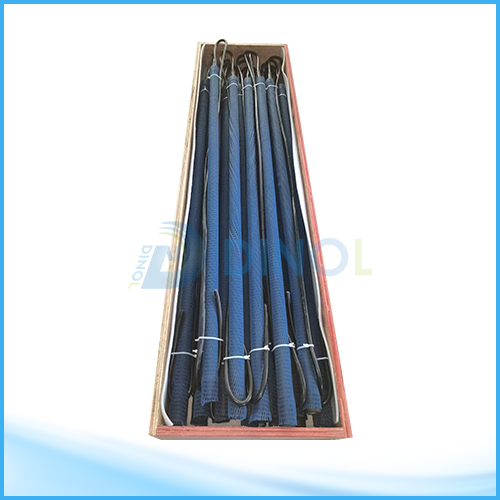
What Is a Water Heater Power Anode Rod and How Does It Work?
Construction and Core Components
A titanium base is covered with Mixed Metal Oxide (MMO), which makes the power anode rod stable electrically without eating away at the electrode itself. Most industrial water heater brands have 3/4-inch NPT ports that can fit this threaded design. Some models have an adaptive controller that changes the DC output (usually between 1.5V and 24V) based on how well the water flows and the condition of the tank. Most configurations keep the power use below 2 watts.
The Impressed Current Process
The power anode rod doesn't rust to protect the tank like magnesium or aluminum rods do. Instead, it sends a small, controlled DC current through the water to the tank wall. The electrical reaction that makes rust goes the other way in this process. NACE International says that impressed current cathodic protection is a tried-and-true way to make metal structures last longer in wet environments. This same idea can also be used to protect storage tanks.
Expected Lifespan and Maintenance Schedule
Normal business use makes the water heater power anode rod, MMO-coated titanium electrodes last more than 20 years, while standard sacrificial rods only last 2 to 5 years. The only upkeep that needs to be done once a year is a quick look at the power connection and the LED state sign. Under normal service conditions, there is no need to replace the rod.
Top Benefits of Using Power Anode Rods in Commercial Water Heaters
When engineers and facility managers switch to powered safety, they always say that running costs and system uptime go down less. In business settings, these are the main benefits this technology brings:
- Long-term corrosion resistance without depletion: Because the MMO-coated titanium electrode does not dissolve, it maintains consistent protection output over decades. Facilities running large boilers or multi-tank systems no longer need to schedule rod replacements every two to three years, which directly reduces labor and parts costs.
- Odor elimination in high-sulfur water environments: Traditional magnesium rods react with sulfur-reducing bacteria to produce hydrogen sulfide, the source of the "rotten egg" smell common in well-water systems. By removing the reactive sacrificial metal, power anode rods typically eliminate this odor within 24–48 hours of installation, according to published ICCP application data.
- Compatibility with softened and high-TDS water: In regions where water softeners are in use or Total Dissolved Solids levels are high, softened water becomes especially corrosive to standard sacrificial metals. The regulated current output of an ICCP system handles aggressive water chemistry reliably, making it a better fit for hotels, multi-family housing, and food service operations.
- Reduced environmental waste: Because the titanium electrode is non-consumable, there is no metallic byproduct buildup inside the tank and no periodic disposal of spent rods. This supports sustainability goals without adding operational complexity.
These benefits directly deal with the most annoying parts of managing a commercial water heater: unplanned downtime, having to do the same maintenance over and over, and tenants or customers complaining about the quality of the water.
Power Anode Rod vs. Other Anode Rod Types: Making the Right Choice
Magnesium Rods
In home tanks, magnesium anodes are the most common type. They work by dissolving a sacrifice. For continuous industrial tanks, the water heater power anode rod offers an alternative solution. They work well to protect against damage in hard water but wear out quickly in softened water, and in harsh conditions, they usually need to be replaced every 12 to 18 months. When industrial tanks are used all the time, they need a lot of upkeep.
Aluminum Rods
Rods made of aluminum last longer than magnesium and work pretty well across a wider pH range. They do break down over time, though, and aluminum hydroxide sludge can build up at the bottom of the tank, making it less efficient at heating. They are a cheaper way to get started, but they aren't the best choice for commercial systems with a lot of demand.
Power Anode Rods (MMO/Titanium)
Power anode rods last longer, keep smells under control, and work better with chemically active water than both types of sacrificial rods. Even though it costs more up front, the total cost of ownership over 10 years is much cheaper when you consider that you won't have to repair any rods and will have to do less work. This cost structure is easier to explain to budget holders for buying teams that are in charge of several tanks across a building.
How to Source and Procure Power Anode Rods for Commercial Tanks
Key Specifications to Verify
Before sending out an RFQ for the water heater power anode rod, make sure the supplier can provide proof of the following: The drinking water must be certified by NSF/ANSI 61, the electronic module must be certified by CE or UL, and the MMO coating must have passed the NACE TM0108 accelerated life test. ASTM B265 says that the purity of the titanium substrate should be Grade 1 or Grade 2. These requirements are the minimum that any reliable commercial-grade product must meet.
Supplier Evaluation Criteria
A trustworthy company that sells anode rods for water heaters should provide written technical data sheets, links to real-life applications, and samples before a large order is placed. Look for suppliers who offer clear warranty terms (usually 5–10 years for the electronic controller) and who can help with custom sizes for tanks that don't fit standard shapes. Being clear about prices and quick to answer technical questions are practical signs of a reliable manufacturing partner.
Bulk Order and Logistics Considerations
If your procurement team is ordering for more than one site, find out about the minimum order quantity and lead times. Reliable sellers ship electrodes in packaging that is designed to protect them from damage while they're in transit. Before signing a purchase agreement, make sure you understand the rules for export documentation and technical support after the sale.
Conclusion
When you look at the numbers, it's easy to see why you should switch from sacrificial anode rods to the water heater power anode rod, MMO-coated titanium power anodes: they last longer, cost less to maintain, work better in acidic water, and don't collect sediment.
This technology is a surefire way for facilities managers and procurement engineers who are in charge of business water heater systems to cut down on costs and avoid having to make as many unplanned fixes. The initial investment pays for itself quickly with multi-tank installations, so it's a good idea to tell the person who makes the buying decisions about it.
FAQ
How often does a power anode rod need to be replaced?
In most business settings, an MMO-coated titanium electrode doesn't need to be changed for at least 20 years. The LED indicator and power connection only need to be checked once a year to make sure the system is working.
Can a power anode rod fully replace a sacrificial rod?
Yes. As soon as a power anode rod is put in place and the system is turned on, the impressed current protects against cathode without any sacrificial metal being present. There is no need for an extra magnesium or metal bar.
What are the warning signs of a failing unit?
If the status LED doesn't light up or flashes, there is corrosion on the outside of the tank near the welds, or the sulfur smell comes back after being gone, these are usually signs that the electronic module needs to be inspected or replaced.
Is the installation process complex?
To install, you need to connect the low-voltage power source and fit the rod into the standard 3/4-inch NPT inlet. Most facilities engineers can do the job without any special tools. There is a threaded end that makes it compatible with most commercial tank brands.
Does it work during a power outage?
When there is an outage, the tank loses active protection, but the MMO electrode is not hurt. When the power comes back on, most devices immediately go back to full protection.
Get a Custom Quote from Tianyi — Trusted Water Heater Power Anode Rod Manufacturer
Tianyi (Shaanxi Tianyi New Material Titanium Anode Technology Co., Ltd.) makes titanium anodes with MMO coatings that are made to meet NSF/ANSI 61, CE, and NACE standards. Our team can help with OEM/ODM projects, bulk sales, and making electrodes in any size needed for industrial tank systems. Get in touch with us right away to get a technical data sheet, samples of our products, or a quote from other companies. To start your question, you can email our tech team at info@di-nol.com or go to dsa-anodes.com.
References
1. NACE International. Cathodic Protection of Water Storage Tanks. NACE International, 2018.
2. NSF International. NSF/ANSI Standard 61: Drinking Water System Components. NSF International, 2022.
3. ASTM International. ASTM B265: Standard Specification for Titanium and Titanium Alloy Strip, Sheet, and Plate. ASTM International, 2020.
4. Shreir, L. L., Jarman, R. A., and Burstein, G. T. Corrosion: Metal/Environment Reactions. Butterworth-Heinemann, 2000.
5. Baeckmann, W., Schwenk, W., and Prinz, W. Handbook of Cathodic Corrosion Protection. Gulf Professional Publishing, 1997.
6. Journal of the Electrochemical Society. "Mixed Metal Oxide Electrode Stability and Performance in Water Treatment Applications." The Electrochemical Society, 2021.
