




What Specifications Matter Most When Selecting a Lead Oxide Electrode?
When selecting a lead oxide electrode, the specifications that matter most include chemical purity, coating composition, corrosion resistance, electrical conductivity, dimensional consistency, and environmental compliance. A high-quality lead oxide electrode is typically constructed from a high-purity lead oxide base coated with a Mixed Metal Oxide (MMO) layer, which significantly extends service life and reduces passivation risk. For engineers and procurement managers in industries ranging from electroplating to hydrogen production, understanding these core parameters directly determines whether an electrode performs reliably at scale or becomes a recurring operational liability.
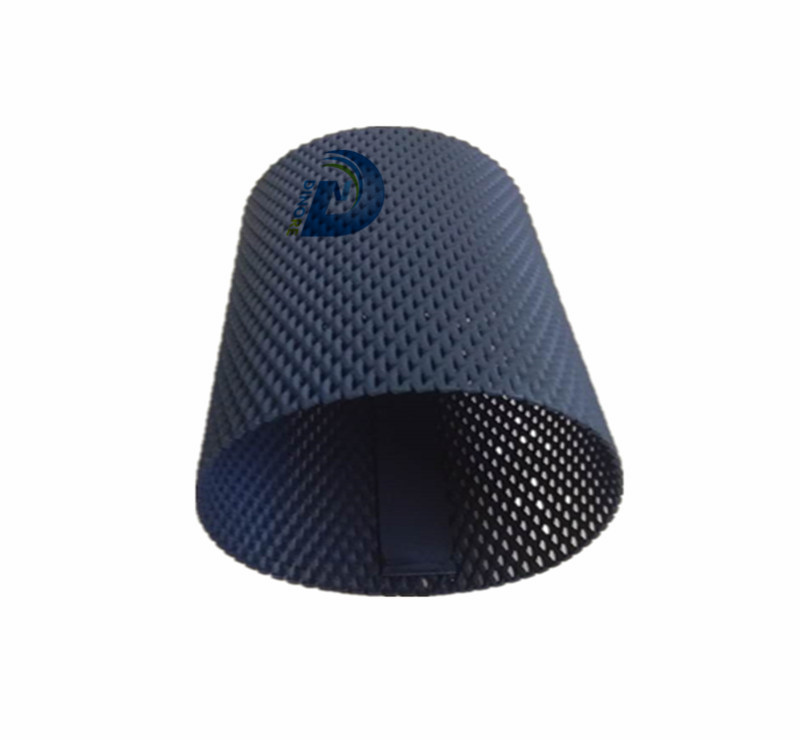
Understanding Lead Oxide Electrodes: Key Properties and Functions
Chemical Composition and Working Principle
The center of a lead oxide electrode is made up of very pure lead oxide. It often has an MMO layer with oxides of ruthenium, iridium, or tantalum on it to make it tougher. This mix creates a stable electrical surface that lets electrons move around easily. This process of the electrode surface stopping to conduct electricity is known as passivation. This can't happen because of the MMO layer, and the lead oxide base keeps the electrochemical processes steady.
Durability and Operational Lifespan
Electrodes that are treated with MMO can last more than 5–10 years in situations with a lot of electrolyte, but electrodes that are not coated can only last 1–3 years. How well the layer sticks to the base, how well it is made, and how much power it can handle determine how long a lead oxide anode lasts. These things can happen to the electrode, and it will still be able to handle strong acids, bases, and high temperatures.
Typical Industrial Applications
Lead oxide electrodes are used for a variety of purposes. When used in the main cases listed below, these sensors always work well:
- Electroplating and electrolytic deposition: Stable current distribution ensures uniform metal plating on substrates.
- Electrosynthesis and sodium hypochlorite production: The electrode's electrochemical stability supports controlled oxidation reactions.
- Wastewater treatment and hydrogen production: High corrosion resistance enables continuous operation in chemically aggressive media.
- Laboratory electrolytic cells: Precision dimensions and repeatable performance meet research-grade requirements.
When metal is plated on a surface, electroplating and electrolytic coating are still possible because of the steady flow of current. The lead oxide electrode is electrochemically steady, which means that controlled oxidation processes can happen. Salt hypochlorite is made in this way.- Taking care of wastewater and making hydrogen: When something doesn't rust, it can be used even in places that are very dangerous.Research-level uses can handle lab electrolytic cells that always work the same way and to exact measurements.
Essential Specifications When Choosing Lead Oxide Electrodes
Chemical Purity and Particle Morphology
The level of cleanliness is directly linked to how conductive something is. When poor lead oxide is used to make electrodes, it adds impurities that make them less resistant. This means that they use more energy and produce heat. People in the business world usually use lead oxide that is at least 99.9% pure to make batteries and charge them. They need to be spread out so that everything is equal. There isn't a steady flow of current if the forms aren't straight. This makes the electrode not last as long and not work as well.
Corrosion Resistance and Cycle Stability
The anode must be able to keep its surface even after being charged and drained many times. When there is an MMO layer on top of the lead oxide base, sulfate and chloride can't hurt it as much. In baths with a lot of chloride, electrodes that don't have the right covering can rust in just a few weeks. Your quality assurance team should use tests done by a third party or data sheets from the seller to make sure that the coating thickness is the same all over. The thickness is usually measured in micrometers.
Environmental and Regulatory Compliance
A lot of industry sellers in the U.S. have strict rules about the qualities that materials must have. RoHS and REACH rules say that chemicals like cadmium and hexavalent chromium can't be used or can only be used in certain ways in electrode coats. Lead oxide electrodes should only be sold by people you know and trust who can show that they meet these standards. If the manufacturer gives ISO 9001 or IATF 16949 approval, it means that the methods for quality control are set up and can be checked.
Comparing Lead Oxide Electrodes with Alternative Materials
Lead Oxide vs. Graphite Electrodes
When you use electrolysis, graphite electrodes get dirty and need to be changed often. They are easy to find and don't cost much. These lead oxide electrode types are called "Dimensionally Stable Anode" (DSA) because the size of the lead oxide electrodes doesn't change over time. This is especially true for those with MMO coatings. Electrode loss from graphite can make things less good and cost more when you need to make a lot of them at once.
Lead Oxide vs. Lead Dioxide Electrodes
Lead dioxide electrodes break easily when heated and cooled, but they oxidize very well in acidic solutions. When MMO is added to lead oxide forms, they become stronger and more electrochemically active. It's very important to do this in places where the chemistry isn't always clear.
Evaluating Supplier Quality and Certifications
You can't just judge a supplier by their price. A good business that sells lead oxide electrodes should be able to do the following:
- Traceable material certifications for each production batch.
- Coating thickness test reports (e.g., XRF or SEM analysis).
- Compliance documents for RoHS, REACH, and applicable ISO standards.
- Reference clients or case studies in comparable industrial sectors.
– Product certifications that can be kept track of for each unit made.
-- Results of tests (like XRF or SEM scans) that were done to find out how thick the layer is.Show proof that the item meets all relevant ISO, RoHS, and REACH standards.– Case studies or clients from the same industry as an example.
Procurement Considerations: How to Source the Best Lead Oxide Electrodes
Pricing Structure and Minimum Order Quantities
Prices of the lead oxide electrode vary based on the type of coating, the size of the substrate, and the number of wires purchased. People who want to buy something once a year generally talk about prices per unit based on agreed-upon amounts paid every month or three months. Check to see if the seller offers a range of prices and if there are any setup or tooling fees for making custom shapes.
Delivery Planning and Supply Continuity
As for lead times, they depend on the size of the order and can be anywhere from 2 to 6 weeks. Allow 4 to 8 weeks from the time the order is approved for one-of-a-kind colors or forms. Choose suppliers who have extra raw materials on hand and can make enough to meet your needs for large orders over and over again without lowering the quality of the materials.
OEM Customization Capability
So that they can be used with certain tools, electrodes often need to be made with holes that are a certain size, shape, or cover. Your needs will be met if the company can really do both OEM and ODM. They will be able to change the coating chemistry and base shape. There are coats that don't react with sulfuric acid baths and mixes that can handle temperatures of 80°C or more.
Best Practices and Tips for Optimizing Lead Oxide Electrode Use
Proper Installation and Handling
One of the fastest ways for wires to break is for them not to fit right. Make sure the force is right and there is no resistance in the contact. Also, clean the wires that connect to the power. When you put the wire in place, don't hit it with anything hard. When they're being used, MMO surfaces are strong, but they can break if you hit them hard or drop them.
Storage and Maintenance Protocols
Keep electrodes away from vapors that can damage them and in a dry place where you can control the temperature. Check the link points for rust once a month. At planned maintenance times, look at the coating to see if it's still in good shape and measure the inter-electrode resistance to look for early signs of passivation or coating wear. Before they reach 80% of their rated service life, change the wires. This will cut down on unplanned downtime.
Sustainable Disposal and Environmental Responsibility
To follow the rules set by the U.S. EPA and every state for hazardous waste, things with lead must be thrown away in a certain way. Talk to your service provider about ways to recycle your old stuff or programs that will pick it up. You can be more sure that the companies in your supply chain will do what they say they will do if they have environmental management practices that are written down, like ISO 14001 certification.
Conclusion
If you want to buy the best lead oxide electrode, make sure it is pure, has a good layer, and is the same size all the way through. Also, make sure you can trust the seller. When making a choice, a procurement manager or process engineer should look at past performance data instead of claims made in a catalog.
The specs of electrodes can be changed to fit your process chemistry. This can change how well they work and how much they cost. This is always the case, whether you're making hydrogen, soldering, or taking care of trash. That way, your team will be able to buy things that will last during production and for a long time afterward.
FAQ
What purity level should I specify for a lead oxide electrode in industrial electrolysis?
At least 99.9% of the lead oxide must be pure for industrial electrolysis to work. High-quality materials are mixed in with low-quality ones, which makes the electrode work less well and wear out faster.
How does an MMO coating improve electrode performance?
The overpotential for important electrochemical processes goes down when an MMO film is put on the electrode surface. While the electrodes are covered, passivation stops, and they last longer—often 3–5 times longer than electrodes that aren't covered.
Can lead oxide electrodes be customized for specific process chemistries?
Yes. Providers you can trust will let you change the shape of the base and the finish that goes on top of it. Ask for a price and include information about the temperature at which it works, the current density, and the chemistry of the battery. The company will be able to be sure that the coating recipe will work with your method.
What certifications should I require from a supplier?
You should ask the company for proof that they follow ISO 9001 and RoHS rules and that they can track materials back to the batch level. You should ask for IATF 16949 if you want to use something with cars.
How do I evaluate electrode consistency across large batch orders?
For each production batch, use the XRF method to find out how thick the layer is and how tough the surface is. You can hold sellers accountable if you include acceptable limit amounts in your buy deal.
Partner with Tianyi for Your Lead Oxide Electrode Supply
Titanium anodes coated with MMO and lead oxide electrodes are what Tianyi specializes in making for medium to large producers in the U.S. market. For ISO-certified methods, you can track each batch all the way back to where it came from. We follow a lot of strict rules when we make our things. If you need normal electrodes or electrodes that are made to work in tough electrochemical settings, our engineers are ready to help you with any process. Email us at info@di-nol.com or go to dsa-anodes.com to learn more about lead oxide electrodes in bulk or to get a price quote.
References
1. Trasatti, S. (1999). Electrochimica Acta — "Electrocatalysis: Understanding the Success of DSA."
2. Comninellis, C., & Chen, G. (Eds.). (2010). Electrochemistry for the Environment — Springer.
3. Pletcher, D., & Walsh, F. C. (1993). Industrial Electrochemistry — Blackie Academic & Professional.
4. Kirk-Othmer Encyclopedia of Chemical Technology. (2020). "Lead Compounds" — Wiley.
5. European Chemicals Agency (ECHA). (2023). REACH Regulation Compliance Guide for Industrial Electrode Materials.
6. Rajeshwar, K., & Ibanez, J. G. (1997). Environmental Electrochemistry: Fundamentals and Applications in Pollution Abatement — Academic Press.
