




What Are ICCP MMO Coated Titanium Anodes Used for in CP Systems?
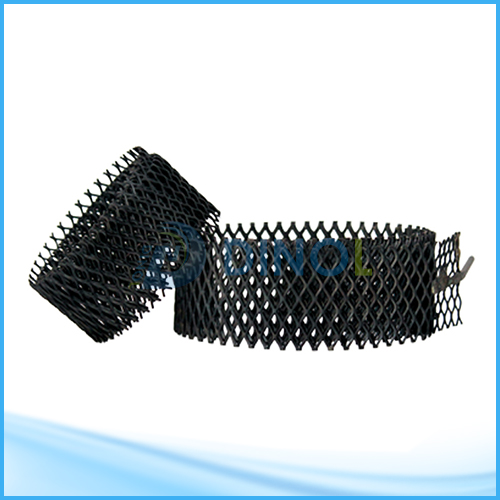
Iccp mmo coated titanium anodes for cathodic protection are ICCP electrochemical components that prevent corrosion in metal constructions. On high-purity titanium base (Gr1/Gr2) covered with Mixed Metal Oxides like ruthenium-iridium or iridium-tantalum, these anodes offer steady DC current across underground pipelines, undersea steel piles, storage tank slabs, and offshore structures. Unlike high-silicon cast iron or graphite anodes, MMO-coated titanium anodes exhibit 20–50 years of dimensional stability, depending on operating circumstances and current density.
Understanding ICCP MMO Coated Titanium Anodes and Their Role in Cathodic Protection
What Makes MMO Titanium Anodes Different
The titanium substrate, which is made to ASTM B265 Grade 1 or Grade 2, creates a passive oxide film that protects the base metal even when the MMO layer wears away in some places. This "dimensionally stable anode" (DSA) behavior means that the shape of the anode doesn't change over decades. Graphite and cast iron anodes can't match this property.
How the Coating Chemistry Works
There are two main covering formulas that work with different types of electrolytes. Ru-Ir MMO works well in chloride- and seawater-rich settings, where current levels can reach 600 A/m². Ir-Ta MMO works best in soil and watery groundbeds where the current density is usually between 100 and 300 A/m². Both versions have very low consumption rates, often less than 1 mg/A·yr. This directly increases the time between system repair intervals.
Comparison with Traditional Anode Materials
High-silicon cast iron anodes are heavy, brittle, and wear out about 40 times faster than MMO titanium. Graphite anodes slowly oxidize, releasing carbon particles that can pollute the soil around them. Lead-silver anodes can be harmful to the environment. MMO-coated titanium doesn't have any of these problems. It doesn't make any harmful chemicals and doesn't need to be replaced very often, so the total cost over its lifetime is much lower.
Applications of ICCP MMO Coated Titanium Anodes Across Industries
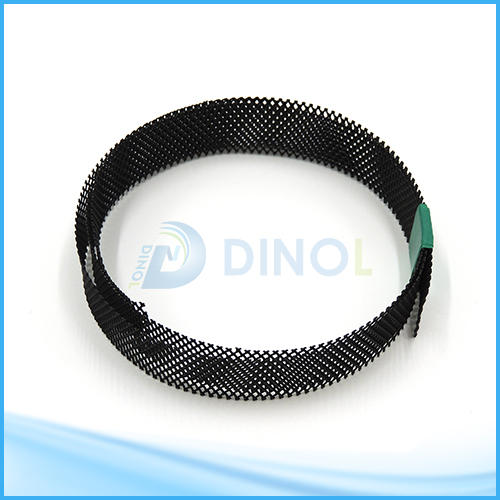
Iccp mmo coated titanium anodes for cathodic protection appear across a broad range of sectors wherever long-term asset protection is a priority. The adaptability of the titanium substrate—available as mesh, ribbon, disc, or custom-cut shapes—means engineers can fit the anode geometry precisely to the structure being protected.
Marine and Offshore Structures
Offshore wind turbine monopiles, ship hulls, jetty steel piles, and subsea pipeline risers all operate in aggressive chloride environments. MMO mesh or ribbon anodes mounted to titanium conductor bars deliver uniform current distribution across large surface areas. At offshore platforms, ICCP systems using these anodes have demonstrated continuous protection cycles exceeding 25 years with no mid-life anode replacement.
Oil, Gas, and Storage Infrastructure
For buried cross-country pipelines, MMO anodes installed in deep-well groundbeds polarize carbon steel pipe across high-resistivity soil layers. In above-ground storage tank farms, disc or plate anodes protect tank floors from underside corrosion—a failure mode that can cause catastrophic product loss. These applications align directly with GB/T 50934 and NACE SP0169 design requirements commonly referenced in Chinese and international project specifications.
Bridges, Water Treatment, and Reinforced Concrete
Thin-profile titanium ribbon and mesh anodes embed within concrete overlays on bridge decks to arrest rebar corrosion from chloride ingress. Water and wastewater treatment plants rely on the same technology to guard steel tanks and distribution pipelines against both chemical and biological attack. The anodes' inert coating produces no secondary contamination, which makes them acceptable for potable water environments.
How to Select the Right MMO Coated Titanium Anode for Your CP System
Choosing the wrong anode configuration is costly, especially in hidden or buried installations where rework expenses multiply quickly. The selection process should address three variables systematically.
Match Coating Type to Operating Electrolyte
Seawater and brackish environments call for Ru-Ir MMO coatings for iccp mmo coated titanium anodes for cathodic protection because of their high electrocatalytic activity in chloride-rich conditions. Soil and freshwater groundbeds perform better with Ir-Ta formulations, which tolerate the wider pH range (1–12) found in varied geological profiles. Specifying the wrong coating degrades current efficiency and shortens service life prematurely.
Define Shape and Dimensions to System Design
Tianyi provides anodes in mesh, ribbon, a disc, and entirely bespoke geometries. Variable dimensions - length, breadth, diameter and coating thickness - to meet project parameters accurately. Single-sided or dual-sided coating designs allow engineers to manage current directionality in constrained or asymmetric installation locations.
Verify Connection and Sealing Standards
The most prevalent site of failure for underground and submerged ICCP systems is the cable-to-anode junction. The anode assembly should be confirmed to IP68 ingress protection and proven to pull-out tensile strength. Depending on the site circumstances, anodes may be mounted by welding to titanium buses, bolting or clamping. For projects subject to EN 12954, NACE SP0176 or GB/T 50934, a Certificate of Conformity (CoC) is requested for each batch.
Procurement Considerations for ICCP MMO Coated Titanium Anodes
For big infrastructure projects, the buying process is organized into a cycle: design-institute definition → vendor shortlisting → technical bid review → award → phased delivery. Knowing what to check at each step lowers the chance of unpleasant surprises that cost a lot of money.
These are the main things that procurement teams usually look at:
- Quality certifications and test reports: Confirm that the manufacturer provides third-party CoC documents, electrochemical performance data, and coating thickness measurements for each production batch.
- Phased delivery capability: Projects lasting 12–36 months often need goods delivered in monthly or quarterly tranches to manage working capital. Verify that the supplier can commit to a phased schedule in writing before contract award.
- Customization lead time: Non-standard shapes or mixed coating configurations require longer production windows. Reputable manufacturers quote realistic lead times rather than optimistic estimates that create downstream schedule pressure.
- Packaging and logistics integrity: Titanium anodes shipped internationally require secure packaging to prevent coating damage in transit. Insist on photographic inspection records at the point of dispatch.
By looking at these things of iccp mmo coated titanium anodes for cathodic protection early on, you can lower the chance of having to redo work and keep the job on schedule. Beyond the unit price, suppliers who offer engineering support, like helping design institute teams write selection specifications, add a measurable amount of value.
Environmental Impact and Regulatory Compliance of MMO Coated Titanium Anodes
MMO Titanium Anodes have a far less environmental imprint than the previous choices. The titanium substrate is completely recyclable, and the corresponding Mixed Metal Oxide coating does not create chlorinated organic compounds as well as heavy-metal leachate when normal operation. This is in direct contradiction to lead-silver anodes which are becoming more and more limited by environmental legislation in marine and water for drinking applications.
Standards Alignment
Anodes are manufactured to a high standard and have been tested for electrical service life to NACE TM0108 and NACE TM0294. International project requirements often cite EN 12954 ( cathodic protection of underground metallic masonry), NACE SP0176 (offshore buildings), and GB/T 50934 (petroleum engineering CP design). One supplier able to cross-reference all three of the standard families in a single document bundle saves engineering teams a lot of verification time.
Long Service Life Reduces Material Throughput
A 30 to 50 year service life implies fewer replacement intervals, less excavation and less material consumption during the life of the asset. This is immediately feeding into the sustainability reporting objectives many asset owners are now tracking as part of ESG frameworks.
Conclusion
ICCP system builders that require decades-long protection and little maintenance in severe environments use iccp mmo coated titanium anodes for cathodic protection. They are suitable investments for pipelines, offshore constructions, storage tanks, bridges, & water treatment facilities because they are stable, can manage a broad variety of current densities, require minimal electricity, and are compliant with international design standards. The correct coating chemistry, form, link standard, and quality assurance make the difference between a system that functions as designed and one that requires costly repairs years before it should.
FAQ
How long do MMO coated titanium anodes typically last?
Under design operating conditions, MMO titanium anodes deliver 20 to 50 years of service life. Actual longevity depends on applied current density, electrolyte chemistry, and coating formulation. Ir-Ta coatings in soil applications often exceed 30 years without measurable substrate degradation.
What maintenance does an ICCP anode system require?
Routine maintenance focuses on monitoring system output current, checking transformer-rectifier readings, and inspecting cable terminations at accessible points. The anodes themselves require no physical servicing under normal operating parameters, which is a major advantage over sacrificial anode systems that need periodic replacement.
Can MMO anodes be customized for non-standard project geometries?
Yes. Titanium substrates are machinable and weldable, allowing manufacturers to produce mesh, ribbon, disc, tubular, or fully bespoke forms. Coating application follows the custom shape, and both single-sided and double-sided configurations are available. Clients should provide dimensional drawings during the inquiry stage to receive an accurate production schedule.
Which coating is better for seawater versus soil applications?
Ru-Ir MMO is preferred for seawater due to its high chlorine evolution activity and erosion resistance. Ir-Ta MMO performs better in soil and freshwater groundbeds, where the wider pH tolerance and oxygen evolution efficiency matter more.
Partner with Tianyi for Your Next ICCP Project
In the offshore, pipeline, storage, and infrastructure sectors, Tianyi makes Iccp mmo-coated titanium anodes for cathodic protection. As a seller of iccp mmo coated titanium anodes for cathodic protection, we offer full CoC documentation, phased delivery schedules, and technical help to make sure that design and institute specifications are aligned. You can get our Gr1/Gr2 titanium base anodes in any shape your project needs, with coatings that are either Ru-Ir or Ir-Ta. To get a quote right away, email your technical specs to info@di-nol.com or go to dsa-anodes.com.
References
1. NACE International. NACE TM0108: Test Method for Evaluation of Coatings Used in the Cathodic Protection of Underground Metallic Structures. 2008.
2. NACE International. NACE SP0176: Corrosion Control of Steel Fixed Offshore Structures Associated with Petroleum Production. 2007.
3. European Committee for Standardization. EN 12954: Cathodic Protection of Buried or Immersed Metallic Structures — General Principles and Application for Pipelines. 2019.
4. ASTM International. ASTM B265: Standard Specification for Titanium and Titanium Alloy Strip, Sheet, and Plate. 2020.
5. Baeckmann, W., Schwenk, W., & Prinz, W. Handbook of Cathodic Corrosion Protection. Gulf Professional Publishing, 1997.
6. Peabody, A.W. Control of Pipeline Corrosion, 2nd ed. NACE International, 2001.