




What Helps Titanium Tubular Anodes Last Longer in Swirl Electrolysis?
If you work with swirl electrolysis systems, you already know that anode lifespan directly affects your operating costs and process reliability. The titanium tubular anode for swirl electrolysis has become the preferred electrode choice across water treatment, electroplating, and metal processing industries — and for good reason. Built from premium-grade titanium alloy with a Mixed Metal Oxide (MMO) coating, these anodes deliver strong corrosion resistance, high current efficiency, and low maintenance costs. But longevity is not automatic. It depends on design quality, operating conditions, and how well you manage the process.
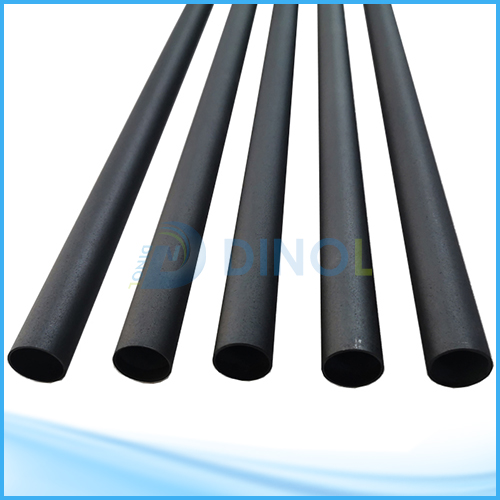
Understanding Titanium Tubular Anodes in Swirl Electrolysis
What Makes the Tubular Design Work
The tubes are useful, not just pretty, because of the way they are shaped. It makes the working electrode's surface area bigger, which directly makes electrochemical reactions work better. As an electrode spins around it, electricity flows around it. There is even flow of current and the ions stay in touch with each other because of this shape. The parts will last longer because they won't wear out as fast.
How MMO Coating Protects the Substrate
The titanium base has an MMO covering made of iridium, ruthenium, or tantalum oxides on top of it. This covering acts as a stable catalyst. This layer doesn't break down no matter how basic or acidic the drink is. Along with that, it keeps the overpotential for chlorine evolution low and stops the base metal from passivating. If you put on MMO coatings the right way, they can last for many years with current loads above 500 A/m² without losing much of their covering.
Why Swirl Flow Dynamics Matter
It helps move things around on the anode surface by making a spinning flow of liquid. The concentration polarization goes down and the layer becomes more even. These are two very important things for electroplating and hydrometallurgy. But rough flow also stresses the anode surface by shearing it. That's why the titanium base and layer need to be stronger and work better than before.
Factors Affecting the Lifespan of Titanium Tubular Anodes
Chemical Attack and Electrolyte Composition
The electrolyte's pH, chloride concentration, and quantity of oxidizing species all affect the degradation rate of titanium tubular anode for swirl electrolysis. Even MMO-coated anodes degrade faster under pH below 1 or exposure to strong oxidants. It is very important to select the proper oxide coating formulation for the chemical environment. Choose iridium-tantalum coatings for high-oxygen environments and ruthenium-iridium coatings for high-salinity environments.
Current Density and Temperature Stress
Anodes break down faster and make more heat when they are run at a current density higher than their rated one. The oxide-to-titanium interface breaks down faster if you use more power than is suggested. It is also important what the temperature is. Coats might not stick as well if you run for a long time in acidic fluids at temperatures above 60°C. To keep things in good shape, it's important to keep the operating temperature and current density within the ranges set by the maker.
Mechanical Wear and Routine Inspection
Swirl flow is always pushing on top of the anode. Over time, surface stress can be caused by things like grain wear, scale buildup, and shaking. Check the covering for flaking or cracking once a month, and check the resistance to electricity every three months. Use an acid solution (5–10% hydrochloric acid) to clean the MMO layer every so often. This will get rid of scale without hurting it. You can make something last 20 to 30 percent longer by following these steps.
Comparison of Titanium Tubular Anodes with Other Anode Materials
When engineers evaluate anode options for swirl electrolysis, material selection often comes down to three candidates: titanium with MMO coating, graphite, and stainless steel. Each has trade-offs, but the performance gap is significant in long-cycle industrial use.
Here is a direct comparison of the three materials:
- Graphite anodes are low in upfront cost but erode steadily in operation, releasing carbon particles that contaminate the electrolyte and require frequent replacement. Average service life in active swirl systems is often under 12 months.
- Stainless steel anodes resist moderate corrosion but passivate quickly in chloride-rich or acidic environments, causing current efficiency to drop. They are heavier and harder to install than titanium alternatives.
- MMO-coated titanium tubular anodes offer strong corrosion resistance, light weight, and a service life that industry data consistently places at 5–10 years under standard operating conditions. Their low energy consumption and good deposition uniformity reduce both power bills and rework rates.
These differences translate directly into total cost of ownership for titanium tubular anode for swirl electrolysis. Although titanium anodes carry a higher purchase price, their extended lifespan and lower replacement frequency make them more cost-effective for continuous industrial processes. Procurement teams at electroplating and water treatment facilities report that switching from graphite to MMO titanium anodes reduced annual anode-related costs by 35–50% over a three-year period.
Best Practices for Extending Titanium Tubular Anode Longevity
Choose the Right Coating Formulation
Different MMO coats don't always work the same way. A coat made of ruthenium and iridium works great in places with salty water that make chlorine. Coatings made of iridium and tantalum work better with industrial fluids that change air and are acidic. The best way to keep the coating strong over time is to make sure that the oxide blend works with the electrolyte chemistry.
Control Operating Parameters
Why does the anode last longer? It's not because of any fixes that were made after it was installed. Watch the flow rate to make sure the swirl speed doesn't go over the limits set by the designer. Also, make sure the current density stays at or below 80% of its maximum and the electrolyte temperature stays in the given range. Adding temperature and current controllers that work on their own takes away the chance that someone will mess up. It's an easy bet that pays off right away.
Implement a Preventive Maintenance Program
For reactive maintenance of titanium tubular anode for swirl electrolysis, you have to wait until an anode fails before taking action, which brings high costs. A preventative maintenance plan includes regular system inspections, controlled cleaning, and anode replacement at the early sign of coating delamination. Tracking each inspection record helps assess electrode performance, supporting rational replacement scheduling and procurement decisions.
Procurement Guide: How to Source Titanium Tubular Anodes Effectively
Evaluate Supplier Credentials
You should make sure that the seller has the right ISO quality certifications and can give you test results for both the titanium substrate and the MMO coating before you place an order. A reliable business should be able to show proof of the layer thickness, the amount of fine metal (which is usually given in grams per square meter), and the load current that has been checked.
Prioritize Customization and Technical Support
The look and function of industrial swirl electrolysis cells are very various. Your engineering team will have a lot of freedom if the provider lets them change the anode sizes, coating types, and link set-ups. It takes less time and less chance of failure to get up and running if you get help with setup and fix problems after the sale.
Understand Pricing and Lead Times
Rare metals like iridium and ruthenium affect the price of an MMO-coated titanium anode. You should get quotes that show how much the base, the finish, and shipping will cost separately. When someone buys a lot of something, they often get 10–20% off. Most of the time, you have to wait two to four weeks for stock items. In this case, it might take four to six weeks. This should be put to the plan for your job.
Conclusion
Long service life for titanium tubular anode for swirl electrolysis is not just luck. It is achievable as long as you choose the right material, verify coating performance, and monitor operating conditions. MMO-coated titanium anodes outperform graphite and stainless steel alternatives, delivering longer life, lower energy consumption and stable process performance. With proper maintenance and operation following specifications, they offer better long-term economy and durability. The guidance above supports confident purchasing decisions for both new installations and worn electrode replacement projects.
FAQ
What is the typical service life of a titanium tubular anode in swirl electrolysis?
MMO-coated titanium tube anodes should last between 5 and 10 years if they get the right amount of current, use the right electrolyte, and get regular maintenance. If the current density goes over the limits or if the battery chemistry doesn't work with the coating formula, the battery won't last as long.
How do I know which MMO coating is right for my application?
What you do is based on the electrolytes you have. Layers of ruthenium and iridium work well in places with a lot of chloride and salt. Iridium and tantalum coatings work better in places where the air is salty and changes often. Tell your supplier what kind of electrolyte you're using and how it works. Based on the technical information, they should then tell you what coating to use.
Can titanium tubular anodes be cleaned without damaging the coating?
Yes. It is possible to remove scale and oxide deposits from a surface without harming the MMO layer if you only leave the acid on the surface for a short time and then rinse it off well. The thin metal layer can be worn off by rough use, so don't use it.
What current density should I operate at to preserve anode life?
If the base is wide enough and the coating is the right kind, MMO anodes can handle 200 to 600 A/m². Most of the time, you should work at 70–80% of the full power. As a result, the method gets more done while also protecting the layer over time.
Get a Quote from Tianyi — Trusted Titanium Tubular Anode for Swirl Electrolysis Manufacturer
The MMO-coated tube anodes that the Shaanxi Tianyi New Material Titanium Anode Technology Co., Ltd. makes are the best and are made to work well in tough swirl electrolysis spots. Our products are easy to use, light, use little energy, and have good consistency in the way they deposit. We can work with OEMs, make any changes you want, and help you with technical issues right away. Get a price by emailing info@di-nol.com or going to dsa-anodes.com. You won't be forced to buy anything. You'll get a quick answer and a fair price.
References
1. Trasatti, S. Electrochimica Acta, 2000.
2. Beer, H. B. Journal of The Electrochemical Society, 1980.
3. Comninellis, C., & Chen, G. Electrochemistry for the Environment, Springer, 2010.
4. Panizza, M., & Cerisola, G. Chemical Reviews, 2009.
5. Martínez-Huitle, C. A., & Ferro, S. Chemical Society Reviews, 2006.
6. Kuhn, A. T. Industrial Electrochemical Processes, Elsevier, 1971.