




What Is an Electrolytic Sodium Hypochlorite Generator Used For?
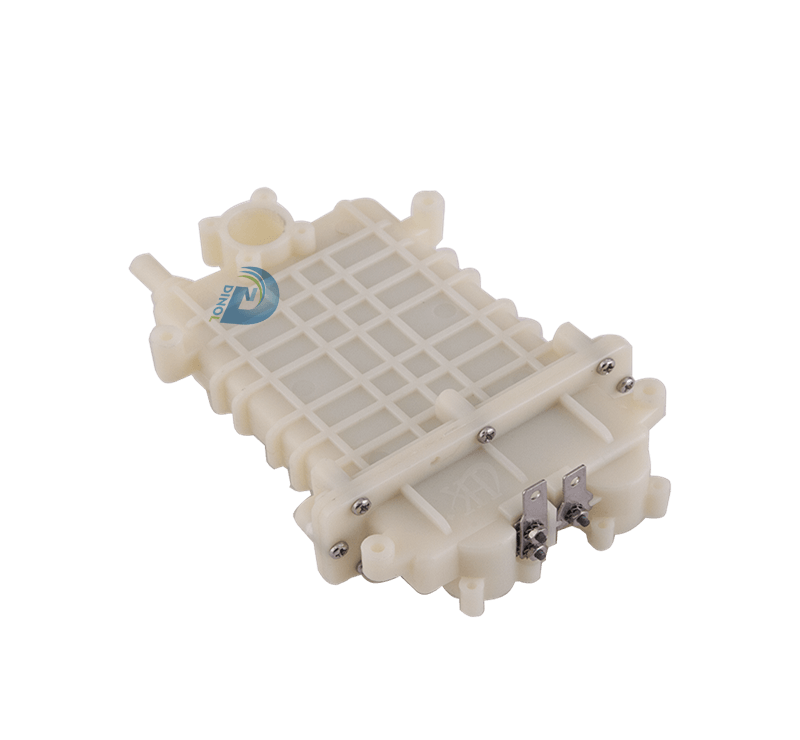
An electrolytic sodium hypochlorite generator is an on-site chlorine production device that converts a dilute saltwater solution into sodium hypochlorite through electrochemical reactions. Industries ranging from municipal water treatment plants to marine vessel operators and food processing facilities use these systems to replace the transportation and storage of liquid chlorine. By generating disinfectant directly at the point of application, the equipment reduces safety exposure, lowers operating costs, and ensures a consistent supply of active chlorine — typically between 50 g/h and 2,000 g/h depending on the model selected.
Introduction to Electrolytic Sodium Hypochlorite Generators
Sodium hypochlorite has been used to clean water for more than one hundred years. In the past, facilities either bought it as a bulk liquid or used compressed liquid chlorine cylinders, both of which are dangerous to transport and require special storage rules. That model is completely changed by on-site generation through electrolysis.
Operational independence is what B2B buyers want most. A factory that makes its own sodium hypochlorite doesn't have to deal with delays in the chemical supply chain, doesn't have to follow the rules for moving dangerous materials, and has full control over the concentration of active chlorine. This level of control is very important for government water utilities that have to follow strict rules about public health, as well as for business owners that have to make sure food safety or marine compliance.
Tianyi's TY-WL series has nine different capacity grades, from WL50B to WL2000B. This lets procurement engineers make sure that the output of the equipment matches the demand for the process without spending too much on capital.
How Electrolytic Sodium Hypochlorite Generators Work and Their Core Principles
The Electrochemical Reaction
A saline solution between 2% and 5% is put through an electrolysis cell that has titanium electrodes that are covered in Mixed Metal Oxide (MMO). The following electrode processes happen when direct current flows through the cell:
- Anode: 2Cl⁻ − 2e⁻ → Cl₂↑
- Cathode: 2H⁺ + 2e⁻ → H₂↑
- Total reaction: NaCl + H₂O → NaClO + H₂↑
The hypochlorite ions produced by electrolytic sodium hypochlorite generator are just as good at killing germs and burning things as chlorine products that are made in the usual way. There is no need for strange chemicals; just salt, water, and electricity are enough.
Operating Conditions and Cell Design
The TY-WL electrolytic cell works best with water that is between 5 and 15 °C and a maximum pressure of 0.2 MPa inside the cell. The saline solution doesn't hurt the PMMA/PVC cell body for a long time. A new internal link structure lowers stray current during electrolysis. This keeps conversion efficiency high even when electrode plates are briefly exposed to air. This change in design directly increases the life of the electrodes and decreases the amount of salt and power needed to make one gram of active chlorine.
Safety Integration
Because of the cathode process, hydrogen gas is made. When systems are properly built, they continuously vent hydrogen to keep it from building up. The TY-WL series control cabinet keeps an eye on cell voltage, current, and flow rate in real time. If any of these parameters move outside of safe limits, the system will shut down automatically. This feature lets the system work without being watched in remote pump stations or vessel compartments where no one is present.
Key Applications and Benefits of Electrolytic Sodium Hypochlorite Generators
The TY-WL series addresses four primary industrial scenarios, each with distinct process requirements.
Municipal Drinking Water and Wastewater Treatment
Water utilities must meet EPA disinfection residual standards continuously and document chemical usage for regulatory audits. On-site sodium hypochlorite generation eliminates the need to store large volumes of liquid chlorine on site, removing the associated Tier II reporting obligations under EPCRA Section 312. A mid-capacity unit such as the WL500B (500 g/h effective chlorine) suits a small-to-medium water treatment plant treating up to several thousand cubic meters per day.
Marine Ballast Water and Vessel Sanitation
International Maritime Organization (IMO) D-2 regulations require ships to treat ballast water before discharge. Electrolytic chlorination using seawater is one of the IMO-approved treatment methods. The TY-WL electrode coating is specifically formulated to perform in low-salinity seawater and at low ambient temperatures, making it suitable for vessels operating in cold northern routes. CCS and equivalent classification society certification is available, which is a procurement prerequisite for any ship-fitted equipment.
Food Processing CIP and Surface Sanitation
Food plants running Clean-in-Place (CIP) circuits need hypochlorite solutions at defined concentrations delivered reliably across multiple shifts using electrolytic sodium hypochlorite generator. Buying commercial bleach introduces batch-to-batch concentration variability and requires chemical inventory management. On-site generation produces a consistent output that integrates directly with CIP dosing pumps. The WL200B to WL500B range covers most food factory line capacities.
Here are the core capacity and specification parameters across the TY-WL product line:
| Model | Effective Cl₂ | Current | Voltage | Flow Rate |
|---|---|---|---|---|
| WL50B | 50 g/h | 60A±20% | ≤5V | 6–8 L/h |
| WL200B | 200 g/h | 84A±20% | ≤15V | 25–35 L/h |
| WL500B | 500 g/h | 120A | ≤30V | 65–85 L/h |
| WL1000B | 1,000 g/h | 156A±20% | ≤40V | 125–170 L/h |
| WL2000B | 2,000 g/h | 460A±20% | ≤40V | 250–400 L/h |
These specifications allow design engineers to calculate power draw and pipe sizing before the equipment arrives on site, shortening commissioning time significantly.
Swimming Pool and Recreational Water Systems
Commercial pool operators face daily chlorine demand that fluctuates with bather load and UV degradation. An inline electrolytic chlorinator connected to the pool circulation loop generates hypochlorite proportionally to flow, removing the manual handling of packaged chlorine products and the associated safety liability.
Maintenance, Troubleshooting, and Lifespan Considerations
Routine Maintenance Protocol
The main reason why output drops over time is that scale builds up on the electrode surfaces. The TY-WL series calls for acid washing with a 15%–18% hydrochloric acid solution on a regular basis to get rid of calcium carbonate buildup. This method fixes the conductivity of the electrodes without rubbing them against something, which would hurt the MMO coating. Facilities usually decide when to do acid washing based on facts about how hard the water is in the area, not on set dates.
Electrode Lifespan and Coating Durability
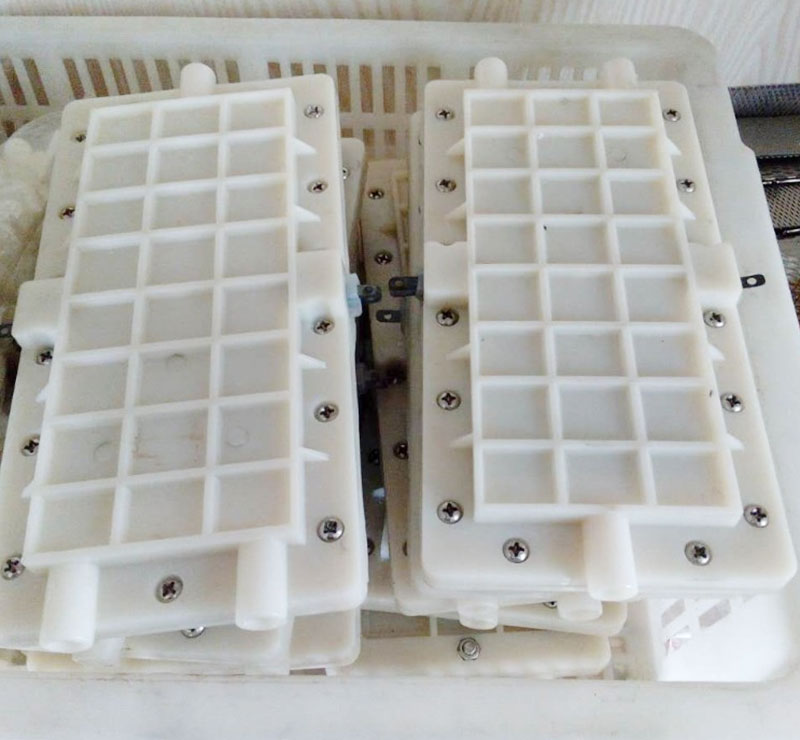
It is said that the Ru-Ir nano-coating on TY-WL titanium anodes will last for five years when used normally. This picture shows what would happen if the current number stayed in the area shown. Running cells at a sustained overcurrent speeds up the wear on the coating, which is something that procurement engineers often bring up during technical evaluation. Tianyi solves this problem by offering rectifier-control cabinets that are perfectly matched and keep the current within the ±20% tolerance band that is set for each model.
After-Sales Support and Serviceability
If there are performance problems after installation of electrolytic sodium hypochlorite generator, Tianyi can help with troubleshooting on-site and can re-coat the electrode plates instead of replacing the whole cell body. The cost of refurbishment is much lower with this repair path than with buying a new unit. Standardized parts are used in control cabinets, which makes it easier to find spare parts locally and keeps you from becoming locked into a proprietary system over time.
Choosing the Right Electrolytic Sodium Hypochlorite Generator for Your Business
Matching Capacity to Process Demand
The first decision factor is how much chlorine it produces. Dosing gaps happen when equipment is too small, and low current density can shorten the life of coatings when equipment is too big. The nine-model gradient from Tianyi ranges from 50 g/h to 2,000 g/h. This means that most applications can find a model that fits exactly instead of using the closest commercial standard.
Evaluating Certifications and Supplier Track Record
For marine purchases, you can't get around CCS type approval. For city projects, purchasing departments usually need written proof of installations at water treatment plants of a similar size. As part of the contract deliverables, buyers who go through design schools or EPC contractors should ask for factory acceptance test (FAT) documents. As normal service, Tianyi backs up FAT methods and offers installation and operator training.
Total Cost of Ownership
In addition to the purchase price, the costs that matter are the amount of electricity used, the amount of salt used, how often the electrodes need to be washed with acid, and how often they need to be replaced. The TY-WL line runs at low voltage (≤40V even at 2,000 g/h output), so over a five-year period, the cost of power per kilogram of active chlorine will be the same as buying bulk hypochlorite. When procurement teams are making lifecycle cost models, they should ask for consumption data sheets that are specific to the water chemistry in their area.
Conclusion
Making sodium hypochlorite on-site using electrolysis solves real operational problems like relying on a supply chain, storing chemicals in a way that is unsafe, and disinfectants that don't always work well. Tianyi's TY-WL line has nine different capacity levels, uses proven MMO electrode technology, and comes with matched control systems that allow it to work without being watched in urban, marine, food processing, and aquatic facility settings.
When procurement engineers look at electrolytic sodium hypochlorite generator, on-site generation is a technically sound and financially sound choice because electrode lifespan is known, performance is certified, and service support is backed by the manufacturer.
FAQ
Is on-site generation safer than storing liquid chlorine?
Yes, liquid chlorine is a deadly compressed gas that needs to be reported as a Tier II dangerous material when it is present in large enough amounts. When sodium hypochlorite is made on-site, it makes a weak solution (usually less than 1% active chlorine) that doesn't have to follow the same rules for storage and transport. This makes it easier to follow the rules and lowers the risk to workers.
How long does the electrode coating last?
TY-WL MMO-coated titanium electrodes are guarantyd to last for five years when used normally and within the recommended current range. Instead of replacing electrode plates, they can be re-coated, which makes the equipment last longer and costs much less than replacing them.
Can the equipment run without continuous operator attention?
Yes. The control box keeps an eye on the voltage, current, and flow in real time and shuts down automatically if something goes wrong. This design lets remote pump stations and robotic vessel sections work without anyone being there.
What saline concentration does the system require?
The TY-WL series works with saline solutions ranging from 2% to 5%. The coating and electrode material can also be used with seawater that isn't very salty, so the system can be used directly in the ocean.
What certifications are available?
CE approval is the norm. Marine facilities can get approvals from the China Classification Society (CCS) or a similar classification society. At the request stage, buyers should list the qualifications they need.
Partner with Tianyi — Your Trusted Electrolytic Sodium Hypochlorite Generator Supplier
Tianyi develops and makes the TY-WL line at its factory in China's Baoji High-Tech Development Zone. It can do both OEM and ODM work for custom configurations for projects. Tianyi's electrode re-coating service is available for all units that leave the factory with a matched control cabinet and recorded FAT data. You can email our engineering team at info@di-nol.com or go to dsa-anodes.com to get a capacity recommendation and a quote that is tailored to your project. Within one business day, we answer technical questions.
References
1. White, G. C. Handbook of Chlorination and Alternative Disinfectants. Van Nostrand Reinhold, 1999.
2. Kraft, A. "Electrochemical Water Disinfection: A Short Review." Platinum Metals Review, 2008.
3. International Maritime Organization. BWM Convention and Guidelines, IMO Publishing, 2017.
4. United States Environmental Protection Agency. Alternative Disinfectants and Oxidants Guidance Manual. EPA 815-R-99-014, 1999.
5. Bergmann, M. E. H., et al. "Electrochemical On-Site Generation of Disinfectants for Drinking Water Treatment." Journal of Applied Electrochemistry, 2009.
6. World Health Organization. Guidelines for Drinking-Water Quality, 4th Edition. WHO Press, 2011.