




What maintenance is required for commercial alkaline water generators?
Commercial alkaline water generator producers need a regimented maintenance routine to ensure constant water quality and longevity. But commercialionized water machines are unlike household units, they work several hours every day and process more water via multi-stage filtration and electrolysis chambers. The key maintenance activities include frequent descaling of titanium electrodes, timely replacement of filter cartridges every 6-12 months, calibration of pH and ORP sensors, and periodic examination of intake and exit valves. Regular completion of these duties maintains equipment performance and output in the intended pH range of 8.0–11.0 and ORP values of -300 to -500 mV.
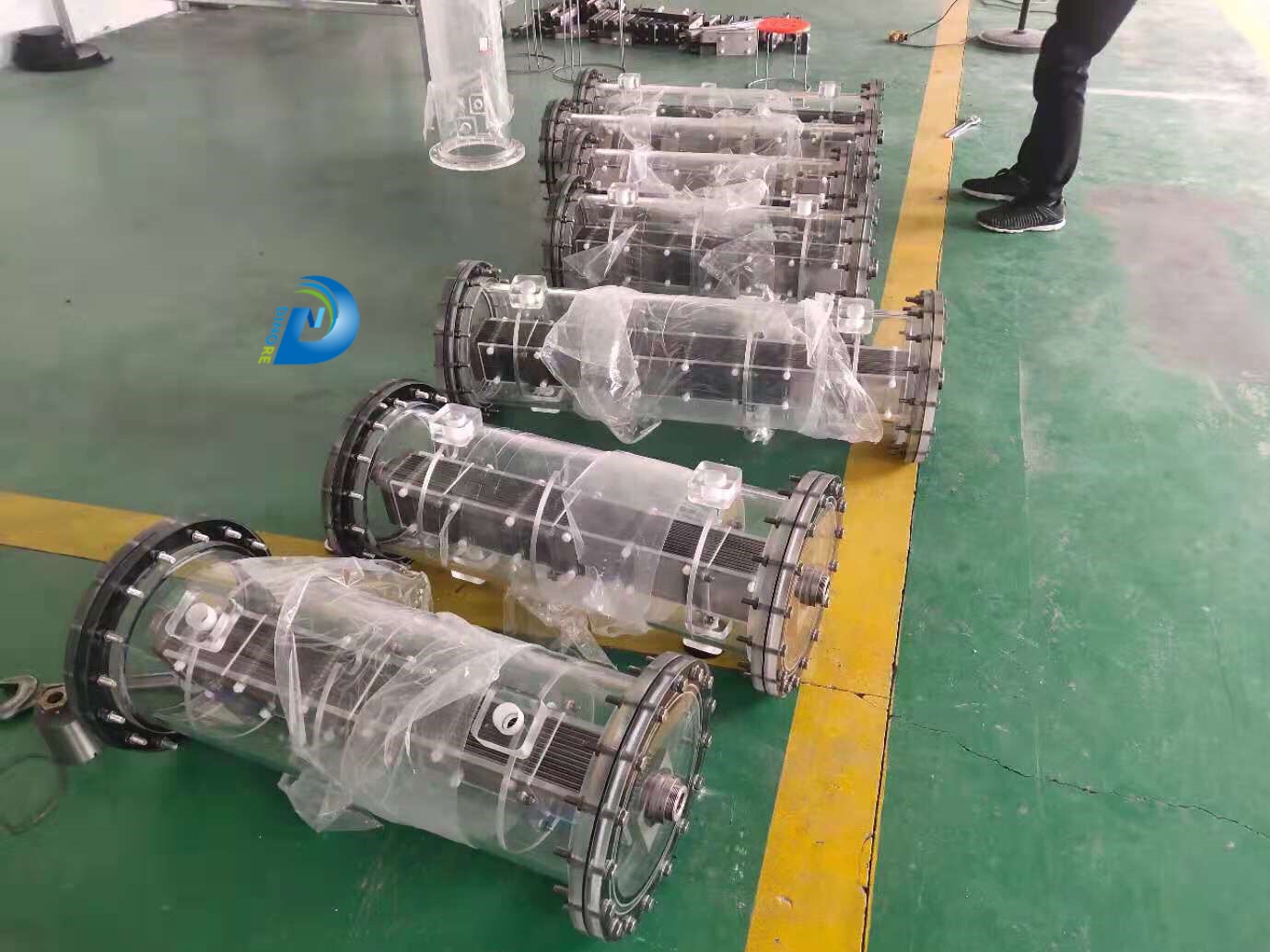
Understanding the Maintenance Needs of Commercial Alkaline Water Generators
It's just not possible for home water ionizers to work in the conditions that commercial ones do. Higher daily output, ongoing electrolysis cycles, and demand from multiple users put real chemical and mechanical stress on internal parts.
Electrolysis Plates and Electrode Wear
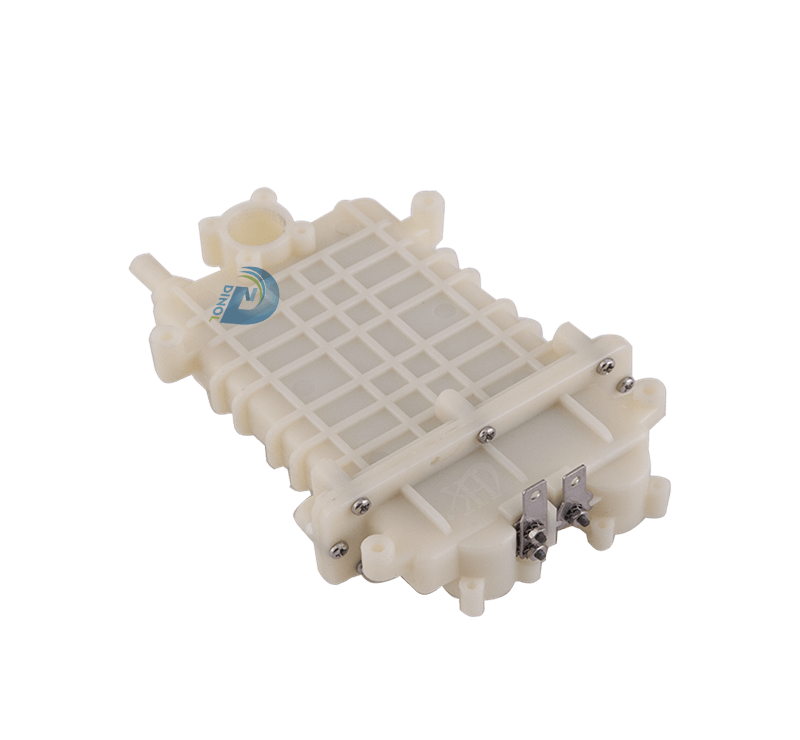
The heart of every industrial unit is titanium electrodes coated with platinum or a mixture of metal oxides. Our wires are guarantyd up to 5,000 hours at Tianyi. In large volume environments, scale develops more rapidly on the surfaces of electrodes which increases the cell voltage and decreases ionization efficiency. Inspections every 500-800 hours of usage assist to discover early symptoms of wear and tear before it affects the quality of the output.
Filtration Systems Under Heavy Load
In commercial systems, water is pre-filtered by multi-stage filter assemblies removing silt, chlorine and organic compounds before entering the electrolysis chamber. The filter is more rapidly saturated during continuous usage at flow rates of 1-5 L/min. Clogged pre-filters make the pump work harder, shortening the life of the motor, and making it more difficult to collect reliable ORP readings farther down stream.
Sensors, Valves, and Water Pathways
Electronic ORP and pH sensors can drift over time, particularly in hard water areas. Leaking or mineral build-ups may occur with water input solenoids and check valves. These parts don’t normally fail suddenly, they wear out gradually therefore it’s more necessary to inspect them regularly than to fix them in an emergency.
Key Maintenance Tasks for Commercial Alkaline Water Generators
Three main tasks are needed to keep a commercial alkaline water generator in great shape: cleaning, filter management, and calibration. All of these steps take care of the most common failure points seen in business launches.
Routine Cleaning and Descaling
The single biggest maintenance fault in commercial settings is scale build-up on the electrolysis plates. For heavy usage drain the cell every 4 to 6 weeks with citric acid or a descaling solution recommended by the manufacturer. Every 8 weeks for moderate usage . This procedure eliminates calcium and magnesium crystals, which would otherwise reduce the active electrode surface area and increase power demand.
Filter Replacement by Usage Volume
Filter repair schedules should be based on the amount of water that is handled, not just the date. Usually, you should get new cartridges every 6 to 12 months, but if your commercial unit processes 200 liters or more per day, you might only need them every 3 to 4 months. Here are the main points of filter control that you should keep an eye on:
- Pre-sediment filter: Replace after pressure decrease across housing is 10 PSI, generally 3-6 months in high-turbidity water supply circumstances.
- Activated carbon block: Replace every 6 months or when the rated gallon capacity is used up; waiting will cause chlorine to break through and the water to taste bad.
- Post-filter mineral stage: Check every 6 months; mineral depletion decreases the buffering capacity that enables consistent alkaline output.
By using a simple log to keep track of replacement dates, buying teams can make sure that no rounds are missed and have a clear idea of their annual budget for consumables.
pH and ORP Calibration
It's normal for sensors to drift. If the pH sensor shows a reading of 0.3 units high, the control board will not send enough electrolysis power, which will lower the output below the desired alkaline range. The results stay correct because they are calibrated every month using approved buffer solutions at pH 7.0 and pH 10.0. Cleaning the ORP probe with a soft cotton swab gets rid of surface dirt that makes millivolt readings go all over the place.
Troubleshooting Common Issues and How Maintenance Solves Them
Most service calls on commercial ionized water systems are caused by neglected maintenance rather than problems with the way the parts were made. By spotting early warning signs, operators can take action before small problems turn into big ones that need expensive fixes.
Reduced Water Flow
A drop in the flow rate of an alkaline water generator usually means one of two things: either the pre-filter is partly blocked or the inlet solenoid valve has become scaled. Change the sediment cartridge and run a short descaling cycle before calling a technician. If the flow stays low, look for material buildup on the solenoid screen and clean it with a weak acid solution. Most flow problems can be fixed with this two-step check, which doesn't require any part replacement.
Alkalinity Fluctuations
If the unit is giving various pH readings on different outputs, it is most likely because the electrodes are growing, the carbon filter is full, or the pH sensor is moving about. The best approach to accomplish things is in a planned fashion, first descale, then change the carbon stage and then calibrate the sensor again. Doing all three at once will show for certain which one brings stability back.
Electrical and Mechanical Alerts
Common current overload control board error codes usually indicate that electrolysis plates are overloaded and the power supply is working harder to compensate. In most cases, taking away the source of the issue, the scale, gets rid of the problem. If the electrical difficulties persist after the descaling, the transformer and SMPS board should be examined by a skilled expert. This is notably the case with equipment operating on 220V/50–60Hz circuits in regions such as the Middle East and Southeast Asia.
Best Practices for Extending the Lifespan of Commercial AWGs
A well-maintained commercial water ionizer can deliver reliable output well beyond its rated electrode lifespan of 5,000 hours when operators follow structured protocols from day one.
Maintenance Logs and Digital Tracking
Paper logs work, but digital monitoring solutions tied to operating hours offer procurement and facilities managers with early information on consumable expiry. Keeping track of descaling dates, filter replacement dates, calibration results and trouble codes in a shared spreadsheet costs nothing and removes the most common cause of premature failure: missed maintenance cycles.
Staff Training and Operational Protocols
Operator error accounts for a measurable share of avoidable service events on an alkaline water generator. Training staff on correct startup and shutdown sequences, flow rate settings, and daily visual checks takes less than an hour and substantially reduces wear on pumps, valves, and electrode cells. Simple laminated reference cards posted near the unit keep protocols visible without requiring repeated training sessions.
Partnering with Your OEM Supplier
Replacement electrodes, filter cartridges and O-rings may be supplied by the original equipment manufacturer that will be dimensionally and chemically compatible. Third party parts are sometimes less expensive initially but may violate warranties and create fit tolerances that hasten wear. Your OEM also provides access to firmware upgrades and updated maintenance intervals based on field performance data.
Cost Considerations and ROI of Proper Maintenance
Pre-emptive maintenance isn’t an expense for a commercial water ionizer, it’s a technique to save money. A new whole electrode assembly may cost several hundred dollars, yet a descaling kit only ten dollars. You may prevent the need to replace the pump ($150-$300 every event) by changing your filter cartridges ($30-$80 each) on time. Research into the lifecycles of industrial appliances shows that companies may reduce overall service cost by 25-35% when they enter into yearly maintenance contracts with their OEM supplier rather than reactive repair models. For brand owners selling via e-commerce and other outlets in regions such as the UAE and Indonesia, equipment dependability is vital as it preserves their customer review ratings and repeat buy rates, both of which are important for earning money.
Conclusion
To maintain a commercial alkaline water generator in excellent working order, there are four habits to follow: descale the electrode cell regularly, change filters according to the volume of water they handle, calibrate the sensors once a month, and keep records of all these activities. With 5,000 hour rated titanium electrodes, multi-stage filtration and ISO/CE/RoHS approved parts, the operator has an excellent starting point. You’ll see the benefits of regular maintenance in extended equipment life, reduced repair expense and steady water quality.
FAQ
How often should commercial alkaline water generator filters be replaced?
In a corporate environment, the replacement of the filter relies on the amount of water cleaned every day. For mild usage, the normal cycle is around 6 to 12 months. If your system is a high-volume system, processing 200 liters or more a day, you will probably have to replace the filters every three to four months. Instead of date time, you will maintain track of actual throughput and be able to acquire a more precise replacement plan and prevent difficulties with the quality of the output.
What causes pH output to become inconsistent in commercial units?
Usually there are three reasons that contribute to wrong pH results. Growth on the electrode scale which makes ionization less efficient. A saturated carbon filter which allows chlorine to interfere with electrolysis. And sensor drift produced by mineral coating on the probe.
How long do titanium electrodes last in a commercial water ionizer?
Platinum-coated titanium electrodes, or a combination of metal oxides, may last about 5,000 hours under typical circumstances.
Is professional servicing required, or can in-house staff handle maintenance?
This is particularly true in commercial settings, hard water, or high flow rates. Regular descaling improves the life of the electrodes by preventing voltage stress from scale that accelerates up coating deterioration.
Partner with Tianyi for a Dependable Alkaline Water Generator
Tianyi sells alkaline water generators that are ISO, CE, and RoHS-approved. These generators have titanium electrodes that are rated to last 5,000 hours, a pH range of 8.0 to 11.0, and an ORP output of -300 to -500 mV. As a producer with a lot of experience, we can make OEM customizations, low MOQ first orders, and long-term deals for supplies of consumables. To get product specs and a sample arrangement right away, email our team at info@di-nol.com.
References
1.Rice, E. W., Baird, R. B., & Eaton, A. D. (Eds.). (2017). Standard Methods for the Examination of Water and Wastewater(23rd ed.). American Public Health Association.
2.Coates, D. (2001). Electrochemistry of oxygen evolution at mixed oxide electrodes. Transactions of the Institute of Metal Finishing, 79(2), 41–46.
3.Da Silva, L. M., De Faria, L. A., & Boodts, J. F. C. (2003). Electrochemical ozone production: influence of the electrode composition and operational parameters. Journal of Applied Electrochemistry, 33(3), 293–298.
4.Kraft, A. (2008). Electrochemical water disinfection: a short review. Platinum Metals Review, 52(3), 177–185.
5.Rusznak, M., & Horváth, A. (2019). Maintenance protocols for commercial water treatment electrochemical systems: field performance data. Journal of Water Process Engineering, 28, 115–122.
6.Bergmann, H., & Koparal, S. (2005). The formation of chlorine dioxide in the electrochemical treatment of drinking water. Electrochimica Acta, 50(25–26), 5218–5228.
