




Why Choose a Water Heater Power Anode Rod for Tank Protection
If you manage commercial water heating equipment, you already know that tank corrosion is one of the most expensive and preventable problems in the industry. A water heater power anode rod addresses this problem at its source—electrochemically—before rust gets a foothold inside your tank. Whether you oversee a multi-unit residential building, a hotel facility, or an industrial water system, understanding how this device works and why it outperforms traditional options can save your operation significant time and money.
Understanding Water Heater Power Anode Rods: Definition and Function
What Is a Power Anode Rod?
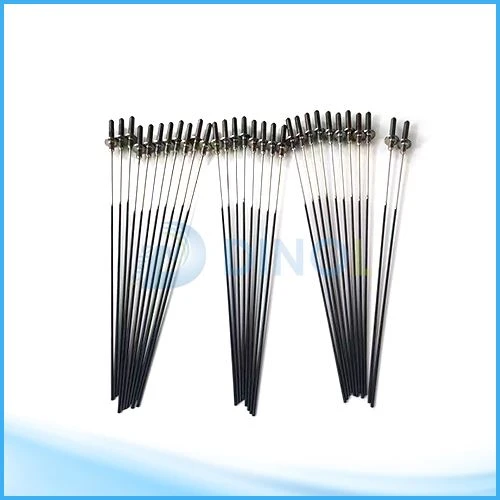
It's a titanium electrode that doesn't break down and sends a small amount of DC current into the water heater tank. A power anode rod is also called an Impressed Current Cathodic Protection (ICCP) device. That's because this current makes the steel surface of the tank safe to touch, which stops rusting before it starts. As time goes on, magnesium or aluminum sacrificial rods break down, but this tech doesn't.
How Does the Electrochemical Process Work?
The stick gives the inside of the tank a small, controlled electric charge. Most of the time, this charge is between 1.5V and 24V. This charge changes the natural electrical potential that breaks down iron. Cathodic protection rules allowed by NACE are used in this method. These rules are changed so that they work with enclosed water heater tanks instead of pipes and marine equipment.
Why Does This Matter for Water Quality and Tank Life?
The smell of a "rotten egg" comes from mixing traditional sacrifice sticks with water that has bacteria that break down sulfur. It is impossible for this reaction to happen if the impressed current anode is made of titanium. Since metal doesn't mix with water, the heater stays clean and dirt doesn't build up inside it. For more than 20 years, ICCP systems have been used to protect tanks. This is a lot longer than tanks that use regular sacrificial anodes, which need to be changed every 2 to 5 years.
Comparing Power Anode Rods with Traditional Anode Rods
Material and Design Differences
Most of the time, zinc, aluminum, or magnesium are used to make sacrificial anodes. These metals rust faster than steel to protect the steel tank. This is a good strategy, but it has its limits. A water heater power anode rod works differently. Any titanium anode stick that is covered in Mixed Metal Oxide (MMO), on the other hand, does not rust. Its MMO layer keeps the electrical stability even when the water is hard and doesn't conduct electricity well or when it is softened and has a lot of minerals in it.
Lifespan and Replacement Cost Comparison
This is an easy comparison that buying teams often ask for:
- Sacrificial magnesium anode: Replacement every 2–5 years; average cost per replacement cycle $20–$80 per rod, plus labor.
- Sacrificial aluminum anode: Slightly longer service life, but still requires periodic inspection and replacement.
- MMO titanium power anode rod: Rated service life exceeding 20 years; no recurring replacement cost once installed.
Performance in Challenging Water Conditions
Metals that are meant to be sacrificed are hurt badly by cool water. It makes these metals break down faster and often cancels warranties from the maker. Electricity current, not metal use, is what makes the safety system work. This means that power anode rods can work in high-TDS and softened water without breaking. Because of this, they are the best choice in places where this kind of system is common.
Identifying and Maintaining Your Water Heater Power Anode Rod
Signs That Your Current Anode Is Failing
The protective anode is likely gone if the water in your water heater changes color, smells like sulfur, or shows signs of rust. In a business setting, a failed anode can make the tank wall crack faster within months. Most good power anode rod units have an LED status light. This safety is on when the green light stays on all the time.
Testing and Inspection Procedures
The most important thing to do for most ICCP systems is to check the LED light once a year. When engineering teams do official checks, they use a voltmeter to check the output voltage to make sure the device is working within its range. It's also important to make sure that the water heater power anode rod system can handle 150 PSI of pressure. This is done to make sure that there are no leaks at the fitting point.
Compatibility with Major Brands
As a rule, most power anode rods have a 3/4-inch NPT thread. So, you can use them with Rheem, AO Smith, Bradford White, and most other types of tanks in North America. Adapters are made just for setting up things in ways that aren't normal. A power anode rod can be put in place of an old spare rod in less than 30 minutes, and you don't need any special tools for the job.
Procurement Considerations for Water Heater Power Anode Rods
Key Certification Standards to Check
When shopping for a power anode rod for a business or industry, make sure it meets NSF/ANSI 61 standards for safety when it comes to drinking water, CE or UL standards for electrical parts, and NACE standards for cathodic protection performance. An outside group has checked the device to make sure it is safe and works well by giving it these stamps.
Evaluating Supplier Capabilities
There are manufacturers of all sizes in the market, from small shops to factories that do everything in-house. For business-to-business buyers, the most important things a seller should be able to do are process titanium substrates in-house, keep an eye on MMO coating quality control (which includes ASTM D3359 adhesion testing), and provide buyers with material certifications and test results when they ask for them. People often want to try a product before they buy a lot of it, and any reputable water heater power anode rod supplier should be able to do this.
Sizing and Application Scope
Power anode rods can be used to heat water in workplaces, homes, and businesses. One water heater power anode rod is enough for most home tanks that are less than 80 gallons. If a commercial boiler or heater can hold more than 120 gallons, it might need more than one unit or a setup with a higher output. Make sure that the voltage and current flow of the rod match the size of the tank inside before you place your order.
Case Studies and Industry Insights: Why Leading Brands Choose Power Anode Rods
Commercial Hospitality Sector Adoption
Large hotel chains and managers of multi-family housing say that maintaining water heaters is easier now that they use ICCP systems. Some places have water heaters that are always on because of high demand. Not having to check the rods often saves money on work and the chance of unplanned downtime.
OEM Integration Trends
Industry water heaters are getting power anode rods as normal features more and more, instead of being an extra that can be bought separately. This is happening because of two things: MMO titanium parts are getting better and customers want upkeep prices to go down over time.
Sustainability Alignment
The power anode bars last longer than twenty years and don't dissolve metal into the water source like sacrificial anode systems do. In other words, they use less stuff. This is an important difference that procurement teams that have to follow rules for sustainability or ESG reporting should write down.
Conclusion
A long-lasting water heater power anode rod is a good way to keep the tank safe. A titanium impressed current system from MMO can protect for 20 years or more with little upkeep, while spare anodes need to be changed all the time. It's clear why business-to-business buyers should look into options for corrosion control for industrial or commercial water heating systems. Make sure that the certifications are valid and that they work with each other. Ask for a sample and pick a supplier whose manufacturing quality has been proven. When you're ready to buy, Tianyi is ready to help you with the whole review process.
FAQ
Does a power anode rod eliminate the "rotten egg" smell?
Yes. The odor forms when sulfur-reducing bacteria react with dissolving magnesium in a traditional rod. Removing that reaction source eliminates the smell, typically within 24 to 48 hours after installation.
What happens during a power outage?
The tank loses active cathodic protection temporarily. Most quality ICCP units resume full protection automatically once power is restored, with no manual reset required.
Is it compatible with my current water heater brand?
Most units use a standard 3/4-inch NPT thread, fitting Rheem, AO Smith, Bradford White, and comparable brands. Adapters are available for non-standard configurations.
How do I confirm the device is working?
Quality units display a steady green LED when cathodic protection is active. An annual visual check is sufficient for routine maintenance.
What certifications should I require from a supplier?
Request NSF/ANSI 61, CE or UL certification for electronics, and NACE compliance documentation. Ask for batch-level material test reports as part of your supplier qualification process.
Request a Quote from Tianyi — Trusted Water Heater Power Anode Rod Manufacturer
Tianyi is very good at making MMO-coated titanium anodes that last a long time and work well in businesses and labs. Our water heater power anode rods are made with quality control methods that have been proven to work, and they come with full certification support. We can take care of OEM orders, requests for testing samples, and other unique requests. To get specifications or to send an RFQ, you can email our technical team at info@di-nol.com or go to dsa-anodes.com. We will only offer direct technical support and won't get in touch with you again unless you ask us to.
References
1. NACE International — Corrosion Basics: An Introduction to Corrosion Science and Engineering, 2nd Edition, 2010.
2. NSF International — NSF/ANSI Standard 61: Drinking Water System Components — Health Effects, 2022.
3. ASTM International — ASTM D3359: Standard Test Methods for Rating Adhesion by Tape Test, 2017.
4. Water Quality Association — Technical Fact Sheet: Effects of Water Softening on Metallic Corrosion in Plumbing Systems, 2019.
5. Journal of the Electrochemical Society — Mixed Metal Oxide Coatings for Impressed Current Cathodic Protection Applications, Vol. 168, 2021.
6. NACE International — TM0108: Evaluation of Coating Systems for Use in Cathodic Protection Applications, 2008.