




Why MMO Anodes Improve Electrowinning Efficiency and Product Quality
If you work in metal recovery, you already know how much the anode choice matters. An MMO anode for electrowinning — built on a titanium substrate coated with mixed metal oxides such as ruthenium, iridium, and tantalum — delivers measurably better current efficiency, longer service life, and cleaner metal deposits compared to conventional anode materials. Whether you are recovering copper, zinc, or other base metals, understanding how these anodes work can help you make a well-supported case to your procurement team and select the right supplier the first time.
Understanding MMO Anodes and Their Function in Electrowinning
What Is an MMO Anode?
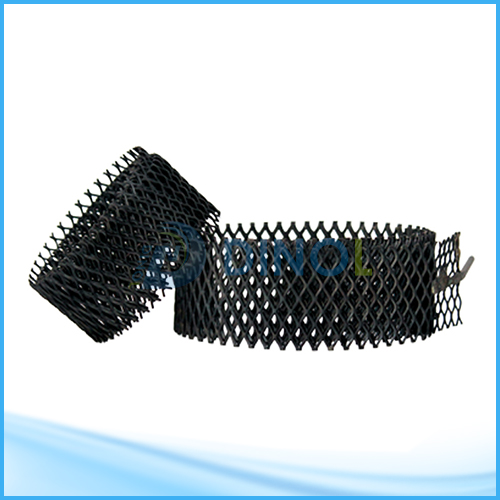
An MMO anode is made up of a titanium base that has a carefully chosen mix of useful metal oxides put on top of it. It is usually made of iridium-tantalum or ruthenium-iridium. The coating works as a catalyst on the electrode surface, making the anodic oxidation process go faster. The anode's size will stay the same as long as it's being used because the titanium substrate doesn't react with harsh, acidic electrolytes.
How the Coating Drives Electrochemical Performance
It is less possible that the oxygen evolution process will go wrong because of the oxide layer. If there is less overpotential, then less voltage is lost as heat. This means that less energy is used per kilogram of metal that is formed. There is a study in the Journal of Applied Electrochemistry that says dimensionally stable anodes with mixed oxide coats can lower cell voltage by 0.2 to 0.4 V when used in the same way as lead alloy anodes.
Coating Variations and Selection Logic
For different types of metal recovery, you need different types of oxide. This type of covering works best when copper is electrowinning because it has a low chlorine overpotential. Iridium-tantalum coatings, on the other hand, work well in zinc and sulfate-based systems that need to be acid-friendly for a long time. If buying teams know which coating works best with your electrolyte, they can make better choices from the start. This makes it less likely that the coating will wear off too quickly.
Comparing MMO Anodes with Traditional Anode Technologies
Lead Alloy Anodes: The Legacy Problem
Anodes made of lead-antimony and lead-silver have been the norm for decades, but there is a lot of information about the problems with them. The mmo anode for electrowinning serves as a superior alternative to these traditional lead-based anodes.
Lead ions make the metal that is made dirty, which makes it more expensive to refine later. Lead also rusts all the time, which makes sludge that blocks the battery and raises the cost of cleaning. In the EU and the US, environmental laws have made it harder for businesses to use lead. This makes it more expensive to do business and more likely that people will break the rules.
Platinum Anodes: High Performance at Prohibitive Cost
Gold-covered titanium anodes are very stable, but most copper or zinc electrowinning plants can't use them on a large scale because they are too expensive. Platinum is very expensive for plants with a lot of anode sets because it makes them work better. Ti anodes that are covered with MMO are just as electrochemically active as other materials, but they cost a lot less. Because of this, they are the best choice for big jobs.
Why MMO Wins the Comparison
This number always tells us the same thing. It only lasts two to four years for lead alloy anodes and eight to twelve years for MMO titanium anodes in normal electrowinning work. Lead is about 11.3 g/cm³ dense, while titanium is about 4.5 g/cm³ dense. This makes them a lot lighter, which makes them easier to move around and lessens the stress on the hardware inside the cells. So the metal is more pure without having to go through any extra steps of refining because there is no soluble metal contamination.
How MMO Anodes Improve Electrowinning Efficiency and Product Quality
Higher Current Efficiency Means Lower Energy Bills
One way to figure out how much of the power that is put in actually places metal is to look at the current efficiency. Most of the time, lead anodes get a current efficiency of 88% to 92% in copper electrowinning. Some MMO anodes get a 94–97% if their size stays the same. At the industrial level, that 5% gain means a huge drop in the amount of electricity used. Every year, the energy saves can add up to millions of kilowatt-hours for a plant that works with 50,000 tons of cathode copper.
Uniform Current Distribution and Deposit Quality
It is the shape and surface activity of the mmo anode for electrowinning that make the current flow more evenly across the cathode face. Most nodular or dendritic deposits are caused by uneven current density and need to be ground down or rejected more. The shape of the cathode surface gets better, the growth of dendrites slows down, and the finished product more often fits LME Grade A copper standards when the current is spread out evenly. They say that coating uniformity and scrap rates have also gone up in zinc processes.
Real-World Validation from Operating Plants
A copper electrowinning plant in Chile switched from lead-silver to MMO titanium anodes. They needed 6% less energy and the amount of lead in the cathode copper dropped to less than 2 parts per million and stayed that low. Zinc factories that use iridium-tantalum MMO anodes say that the solution is less contaminated and the anodes last longer between changes. Marketers aren't making these claims; you can find them in technical papers from suppliers and books on process engineering that have been reviewed by other engineers.
Practical Considerations for Procuring and Using MMO Anodes
Key Specifications to Evaluate
Before sending an RFQ, procurement engineers should clarify the following parameters with any potential MMO anode supplier:
- Coating type and loading (g/m² of precious metal oxide): Higher loading generally extends service life but increases unit cost; the right balance depends on current density and campaign length.
- Titanium substrate grade: Grade 1 pure titanium suits most sulfate systems; Grade 2 is adequate for lower-demand applications.
- Anode geometry: Plate, mesh, rod, or tube configurations each suit different cell designs. Confirm dimensional tolerances with your cell manufacturer before ordering.
- Coating adhesion test data: Ask for bend-test or thermal shock data to verify coating bond strength.
These specifications directly affect how long the anode lasts and how reliably it performs at your target current density.
Installation, Maintenance, and Troubleshooting
MMO anodes are straightforward to install. They attach to bus bars using titanium or copper contact heads, and no special tools are required beyond standard cell maintenance equipment. Routine inspection should check for coating delamination, edge wear, and contact resistance. If cell voltage rises abnormally, the first diagnostic step is to measure anode-to-cathode spacing and contact resistance before assuming coating failure. Proper storage — dry, away from chlorinated solvents — extends shelf life before installation.
Supplier Reliability and MOQ Considerations
Lead times from reputable manufacturers run 3–6 weeks for standard sizes and 6–10 weeks for custom geometries of the mmo anode for electrowinning. Request a material certificate, coating composition report, and accelerated life test data with any sample order. Minimum order quantities vary by supplier; some accept orders as small as 10 pieces for trial purposes, which fits neatly into the sample-test-then-order cycle most procurement teams follow.
Why Trusted MMO Anode Manufacturers Make the Difference
Certification and Manufacturing Standards
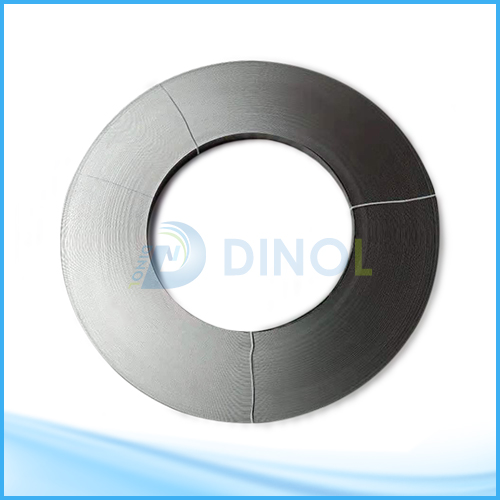
A company that has been around for a while should have at least ISO 9001 approval and keep records for each batch of products so that they can be tracked. When someone buys titanium strips, they can be sure that the product they get is the same as what is written on the data sheet. This is possible thanks to international standards like ASTM B265 and written quality control processes at each stage of finishing.
OEM and Custom Design Capability
For plants whose cells aren't the right size or whose electrolytes don't work right, anodes must be made just for them. There is a faster path from technical requirement to given product when suppliers have their own research and development departments. These departments can change covering formulas and make unique shapes. This is helpful when a plant grows or is retrofitted and standard sizes don't work with the cell infrastructure that's already there.
After-Sales Support and Long-Term Partnership
After the sale, a reliable supplier will offer technical support, such as how to use the product, fixing problems in the field, and regular coating analysis. This friendship that has been going on for a long time makes unplanned downtime less likely and gives plant engineers someone they can talk to when things change in the process.
Conclusion
There is a lower operating voltage, higher current efficiency, consistent deposit uniformity, and a service life that is much longer for the mmo anode for electrowinning compared to lead alloy alternatives. This makes the product better and the electrowinning process more efficient. Not just scientific theory, but also data from the plant supports the case for moving. How well those gains work out in real life will depend on two things: the coating mix you choose and the maker you work with. The maker you work with should offer verified specs and quick support.
FAQ
How long does an MMO anode last in copper electrowinning?
Under typical operating conditions — current densities of 200–400 A/m² in sulfate-copper electrolyte — a properly specified MMO titanium anode lasts 8–12 years. Service life depends on coating loading, operating current density, and electrolyte temperature. Higher current densities accelerate coating consumption, so plants running above 350 A/m² should specify higher precious metal oxide loadings.
What is the difference between ruthenium-iridium and iridium-tantalum coatings?
Ruthenium-iridium coatings excel in chloride-containing and mixed-acid electrolytes, offering low overpotential for oxygen and chlorine evolution. Iridium-tantalum coatings are preferred in pure sulfate systems such as zinc electrowinning, where tantalum provides additional acid resistance and coating stability over long service campaigns.
Can MMO anodes be repaired or recoated?
Yes. When the original coating reaches end of life, the titanium substrate can be stripped, inspected, and recoated by the manufacturer. Recoating costs roughly 40–60% of a new anode price and restores full electrochemical performance, making it a cost-effective option for plants managing tight capital budgets.
What cell voltage reduction can I expect after switching from lead anodes?
Most plants report a cell voltage reduction of 0.2–0.5 V after switching to MMO titanium anodes, depending on electrolyte composition and current density. Over a full year of operation, this reduction delivers significant electricity savings at the plant level.
Get a Custom MMO Anode Quote from Tianyi
As an example of Tianyi's high-performance Mmo anode for electrowinning uses, they make ruthenium-iridium and iridium-tantalum-coated titanium anodes for copper, zinc, and electroplating. The Mmo anode for electrowinning is made by Tianyi, a respectable company. They offer OEM services, full material certification, and expert support from the time of request to the time of commissioning. To get a datasheet and RFQ form, go to dsa-anodes.com or email info@di-nol.com with the size of your cell and the amount of current you need.
References
1. Nikoloski, A.N., & Barmi, M.J. (2012). Comparative electrochemical study of mixed metal oxide anodes in copper sulfate electrolytes. Journal of Applied Electrochemistry.
2. Schlesinger, M.E., King, M.J., Sole, K.C., & Davenport, W.G. (2011). Extractive Metallurgy of Copper (5th ed.). Elsevier.
3. Trasatti, S. (2000). Electrocatalysis: Understanding the success of DSA. Electrochimica Acta.
4. Cardarelli, F. (2008). Preliminary investigation into the use of mixed oxide-coated titanium anodes in copper electrorefining. Canadian Metallurgical Quarterly.
5. Davenport, W.G., & Biswas, A.K. (2002). Extractive Metallurgy of Copper (4th ed.). Pergamon Press.
6. Moats, M.S., & Bhakta, S. (2016). Industrial copper electrowinning and electrorefining: 2015 survey. Minerals, Metals & Materials Society (TMS) Annual Meeting Proceedings.
