




Why Use Ir-Ta Titanium Anodes in Electrolytic Copper Foil Production?
If you’re in copper foil manufacturing then you know how tough the production environment can be. The electrolyte is aggressive, the current densities are large and any irregularity at the anode instantly creates damaged foil. So the question is a simple one: which anode material truly works? The reliable option backed by industrial experience and electrochemical test data is Ir-Ta titanium anode for electrolytic copper foil. This kind of electrode is based on an ASTM B265 Gr1/Gr 2 pure titanium substance with an iridium-tantalum MMO coating and provides dimensional stability, high oxygen evolution potential and a service life of more than eight months under production grade circumstances.
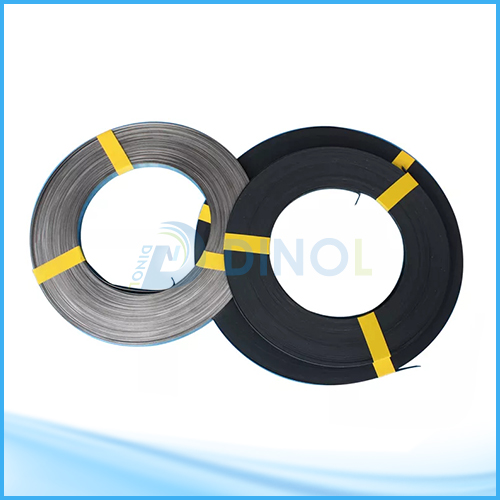
Understanding the Challenges in Electrolytic Copper Foil Production
It looks easy to make copper foil on paper: mix copper with sulfuric acid, run electricity through it, and then peel the foil off of a spinning titanium drum cathode. Things are not as easy to get through in real life.
The Harsh Electrochemical Environment
In an electrolyte bath that is between 50 and 80°C, there are 60 to 150 g/L of sulfuric acid and 30 to 60 ppm of chloride ions. When the current is between 5,000 and 8,000 A/m², the anode surface is always being chemically stressed. The bath and the copper coating are both harmed by anything that rusts or breaks down in these conditions.
Legacy Anode Failures
For many years, lead-alloy anodes were the norm. However, they add lead to the electrolyte, change form over time, and make the space between the anode and cathode less even. Electrodes made of stainless steel rust very quickly in places with a lot of salt. It costs more to maintain and takes longer to get things done because both types of products need to be changed often.
What Modern Foil Standards Demand
Electricity makers need copper foil that is not more than 12 microns thick now. Some specs go as low as 4.5 microns for lithium-ion battery current receivers. Microdefects can be caused by even small surface roughness or water pollution at these sizes. The anode has to stay geometrically steady and electrically quiet for months at a time.
The Science Behind Ir-Ta Titanium Anodes: Composition and Working Principle
Understanding what makes an iridium-tantalum coated electrode perform differently starts at the material level.
Substrate Selection: Why Titanium
Pure titanium (ASTM B265 Grade 1 or Grade 2) forms a passive oxide layer in sulfuric acid environments, preventing base metal dissolution. It is also lightweight and mechanically rigid, which keeps the substrate plate of Ir-Ta titanium anode for electrolytic copper foil flat across its working surface — a property that directly controls anode-cathode distance consistency.
The Role of Iridium and Tantalum Oxides
Iridium oxide (IrO₂) is the catalytic component. It lowers the oxygen evolution overpotential, meaning the anode drives the reaction — 4OH⁻ → 2H₂O + O₂ + 4e⁻ — at a lower applied voltage. Tantalum oxide (Ta₂O₅) acts as a structural stabilizer, resisting acid attack and preventing premature coating delamination. Together, the two oxides form a sintered MMO coating with a typical operating current density rating of 5,000–8,000 A/m².
Coating Application and Quality Assurance
At Tianyi, the coating process begins with sandblasting or chemical etching of the titanium surface to maximize adhesion. Iridium and tantalum precursors are applied through thermal decomposition, layer by layer, and then sintered at controlled temperatures. Each production batch undergoes coating thickness measurement, adhesion testing, and electrical conductivity verification before shipment.
Advantages of Ir-Ta Titanium Anodes Over Other Anode Materials
When you move from lead-alloy or ruthenium-iridium anodes to a titanium plate covered in Ir-Ta, you not only get better materials, but the cost of making them also changes.
It always says the following about copper foil's performance benefits:
- Stable electrode spacing: The rigid titanium substrate does not deform under thermal or mechanical cycling. A fixed anode-cathode distance produces uniform current distribution, which is the primary factor controlling foil thickness consistency and surface finish.
- High current-carrying capacity with low energy draw: Because IrO₂ reduces oxygen evolution overpotential, the cell voltage required to maintain 5,000–8,000 A/m² is lower than with platinum or ruthenium-based alternatives. Lower cell voltage means lower electricity cost per kilogram of copper foil produced.
- Service life exceeding eight months: In verified production environments with the electrolyte conditions described above, Tianyi's Ir-Ta anodes maintain coating integrity for over eight months of continuous operation. Lead-alloy anodes under comparable conditions typically require replacement or reconditioning within three to four months.
- Zero electrolyte contamination: Unlike lead-containing anodes, the MMO coating is insoluble under normal operating conditions. The copper sulfate bath remains free of heavy-metal impurities, which protects both foil quality and downstream wastewater treatment costs.
- Customizable plate geometry: Anode dimensions are manufactured to client specifications, accommodating different drum diameters and cell designs without requiring modifications to existing equipment.
The issues we discussed earlier, such as contamination, geometric drift, and long maintenance cycles, can all be effectively addressed by the advantages of Ir-Ta titanium anode for electrolytic copper foil. It greatly reduces energy consumption, labor cost and material waste for production lines with multiple electrolytic cells operating continuously.
Practical Considerations for Procurement and Maintenance
Choosing an anode provider is one of those purchases that takes a long time to make. The anode you put in today will change the quality of production for more than eight months, and your whole production plan will depend on how quickly your supplier can send you replacement batches.
What to Verify Before Placing an Order
Ask for a material certificate that says the base meets ASTM B265 Gr1/Gr2 standards and a report on the coating's make-up that shows the Ir:Ta ratio and the amount of oxide loading per unit area. Reports and paperwork from a third party that test the sources you can trust can be used to keep track of each batch. Every shipment that Tianyi sends out comes with a full inspection report.
Lead Times and Long-Cycle Supply Planning
It usually takes four to eight weeks to ship the normal number of plates made for Ir-Ta anodes from the time the order is confirmed. The length of time depends on the size of the plates and the size of the order. Buildings with more than one cell line can avoid having replacement rounds happen at the same time by using staggered buying contracts. This also cuts down on the cost of keeping supplies on hand.
Maintenance Practices That Extend Coating Life
When you clean the anode, don't use rough materials that could scratch the surface. By regularly soaking the MMO layer in weak sulfuric acid, you can get rid of calcium and organic scale without hurting it. If you keep the cell's current density within the rated range, which is not more than 8,000 A/m² for long periods of time, you can avoid localized coating burnout.
Future Outlook and Industry Trends for Ir-Ta Titanium Anodes
The global copper foil market is expanding, driven by lithium-ion battery demand and 5G PCB production. According to industry market data, global electrolytic copper foil production capacity has grown steadily year over year since 2020, with Asia-Pacific leading output but North American and European capacity additions accelerating. Stable performance of Ir-Ta titanium anode for electrolytic copper foil becomes critical to match this rising capacity.
Thinner Foil, Tighter Tolerances
Battery manufacturers are pushing toward 4.5–6 micron foils to reduce cell weight. At these thicknesses, current distribution uniformity requirements tighten. Dimensional stability from the anode side becomes even more critical.
Green Manufacturing Pressure
Environmental regulations in major manufacturing regions are tightening restrictions on lead and heavy-metal process inputs. MMO-coated titanium anodes — being lead-free and long-lasting — align with both regulatory direction and corporate sustainability targets.
Coating Technology Advancement
Research into higher iridium loading ratios and alternative oxide blends continues. The goal is to push service life beyond the current eight-month benchmark while reducing the total iridium content per anode — which directly affects material cost. Suppliers investing in R&D partnerships with materials science institutions are better positioned to offer next-cycle products as performance benchmarks rise.
Conclusion
To use Ir-Ta titanium anode for electrolytic copper foil in copper foil electrolysis, its coating must withstand harsh acidic environments, maintain stable geometry to guarantee uniform foil thickness, and deliver a contamination-free process to protect electrolyte and product quality. Traditional materials such as lead alloys and bare stainless steel are not suitable for electronic-grade copper foil production.
Based on technical and cost information, procurement teams that are looking at anode sources should switch to iridium-tantalum MMO electrodes. If you want to make a good material choice and a good supply chain choice, you need to choose a seller with full traceability records, recorded coating quality control, and solid long-cycle delivery capacity.
FAQ
What substrate material does the Ir-Ta anode use?
Tianyi's copper foil anodes use ASTM B265 Grade 1 or Grade 2 pure titanium as the substrate. This grade provides the corrosion resistance and rigidity required for long-term operation in sulfuric acid electrolytes.
What is the rated service life?
Under standard copper foil electrolysis conditions — Cu²⁺ 50–150 g/L, H₂SO₄ 60–150 g/L, operating temperature 50–80°C, current density 5,000–8,000 A/m² — the service life exceeds eight months of continuous operation.
Can anode dimensions be customized?
Yes. Plate geometry, including length, width, and thickness, is manufactured to customer specifications to match existing cell and drum configurations.
What documentation comes with each shipment?
Each batch includes a material certificate, coating composition report, dimensional inspection record, and electrical performance test data.
How does the Ir-Ta coating reduce energy consumption?
Iridium oxide lowers the oxygen evolution overpotential at the anode surface. This means the cell achieves the target current density at a lower applied voltage, directly reducing electricity consumption per unit of copper foil produced.
Request a Quote from Tianyi — Ir-Ta Titanium Anode Supplier for Copper Foil Production
The plate-type iridium-tantalum MMO anodes that Tianyi makes are made just for your cell. It comes with all batch traceability and outgoing inspection reports by default. For both one-time orders and long-term supply deals, our company can help. We make Ir Ta titanium anodes for electrolytic copper foil and are known for being reliable. Send an email to info@di-nol.com with technical information about your needs, like the size of the cell, the amount of current you need, and what the electrolyte is made of.
References
1. Trasatti, S. "Electrocatalysis by Oxides — Attempt at a Unifying Approach." Journal of Electroanalytical Chemistry, 1980.
2. Beer, H. B. "The Invention and Industrialization of Dimensionally Stable Anodes." Journal of the Electrochemical Society, 1980.
3. Comninellis, C., and Vercesi, G. P. "Characterization of DSA-Type Oxygen-Evolving Electrodes: Choice of a Coating." Journal of Applied Electrochemistry, 1991.
4. Xu, L., et al. "Performance of Iridium-Tantalum Oxide Coated Titanium Anodes in Sulfuric Acid Electrolytes." Electrochimica Acta, 2008.
5. Chen, X., and Chen, G. "Stable Ti/RuO₂–Sb₂O₅–SnO₂ Electrodes for O₂ Evolution." Electrochimica Acta, 2005.
6. Kötz, R., and Stucki, S. "Stabilization of RuO₂ by IrO₂ for Anodic Oxygen Evolution in Acid Media." Electrochimica Acta, 1986.